Professional Design of RO System for Industrial Pure Water Stations
Design of RO system for industrial pure water station is systematic customized engineering planning covering pretreatment, main separation rack, power unit, control system and pipeline layout to meet factory continuous purified water production demands. It is necessary to calculate and configure matched liquid filter assemblies in the pretreatment design phase to intercept suspended pollutants, stabilize raw water SDI value and reduce long-term membrane fouling risk for the whole water system. Project designers can select standardized modular equipment including 10 T/H Output Reverse Osmosis System for Medium Industrial Plants and PLC-controlled Reverse Osmosis System: Programmable Intelligent Unit to build tailor-made pure water station solutions according to raw water quality and industry compliance standards. Our complete RO system design service includes raw water sample testing, capacity sizing, process flow drawing, component specification selection, foundation layout planning and tender technical document compilation. Modular design logic adapts small workshop compact pure water skids and large multi-module centralized industrial water stations. Widely applied in pharmaceutical, new energy, food, chemical and power manufacturing projects, this article elaborates full RO system design workflow, reverse osmosis separation working principle, core design technical parameters, design quality control standards, differentiated industrial pure water station design scenarios and common design errors to support your industrial pure water station construction investment and engineering planning.

1. Product & Design Service Introduction
Design of RO system for industrial pure water station refers to the whole set of technical planning work before constructing industrial reverse osmosis pure water stations, which determines system stability, water quality consistency, energy consumption level and long-term operation cost. Many factories directly purchase off-the-shelf RO skids without targeted system design according to local raw water characteristics, resulting in mismatched pretreatment capacity, unreasonable pressure allocation, low water recovery rate and frequent membrane contamination after operation. Professional customized RO system design takes raw water conditions, daily water demand, operation mode and industry water quality standards as core basis, realizing perfect matching between hardware configuration and actual working conditions.
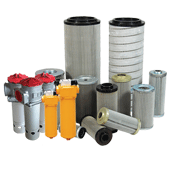
Pretreatment process design is the foundation of the whole industrial pure water RO system, and liquid filter parameter calculation is an indispensable core design item. Improper liquid filter flow rating and precision grade will cause raw water suspended matter to enter membrane racks, continuously erode RO membrane elements and trigger frequent shutdown for chemical cleaning. Reasonably designed liquid filter assembly acts as the first safety barrier to guarantee stable long-term operation of the main separation system.
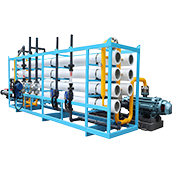
We adopt tiered modular design schemes for different industrial pure water station scales. Medium-sized factory conventional pure water stations adopt compact integrated layout, with standardized process design matched with mass-produced 10 T/H Output Reverse Osmosis System for Medium Industrial Plants, balancing initial construction investment and daily operation stability. Large industrial park centralized pure water stations adopt multi-parallel membrane rack layout, equipped with centralized intelligent management of PLC-controlled Reverse Osmosis System: Programmable Intelligent Unit, supporting 24-hour unattended operation and remote data monitoring. For biopharmaceutical and semiconductor ultra-pure water stations, we add secondary RO, EDI polishing and sanitary pipeline design in the scheme to meet strict low-conductivity and hygiene compliance requirements.
Many simple copy-style design schemes ignore raw water seasonal quality fluctuation and workshop foundation space limitation, leading to difficult equipment installation and insufficient processing capacity in wet seasons. Our complete industrial pure water RO system design includes 7 core modules: on-site raw water sampling laboratory testing, peak hourly water demand sizing calculation, multi-stage pretreatment process design (liquid filter + medium media tank), main membrane rack layout, high-pressure pump power matching, automatic control program design and foundation & pipeline layout drawing output. After construction strictly following customized design drawings, the industrial pure water station can continuously output stable qualified pure water for raw material blending, precision component cleaning, boiler feed water and circulating cooling replenishment. Scientific standardized RO system design is the prerequisite for long-term low-fault operation of industrial pure water stations.

2. Reverse Osmosis Working Principle & System Design Logic
Reverse osmosis operates based on pressure-induced physical membrane separation, the foundational theory guiding all industrial pure water RO system design. When external driving pressure exceeds the natural osmotic pressure of raw water, water molecules pass through semi-permeable polyamide RO membranes. Meanwhile, dissolved salts, colloids and suspended contaminants are trapped on the concentrate side to achieve thorough raw water purification. All process layouts, component specifications and parameter thresholds defined within design documentation are optimized in accordance with this separation mechanism.
The complete four-stage workflow of an industrial RO system and its corresponding dedicated design modules are outlined below:
Stage1: Multi-stage precision pretreatment filtration design module
Liquid filters and multimedia filters constitute the front-end pretreatment sequence. We calculate the quantity of filter vessels and flow capacity of filter cartridges based on peak raw water inflow, maintaining inlet SDI ≤5 as a strict standard. This pretreatment architecture seamlessly matches the overall process layout of 10 T/H Output Reverse Osmosis System for Medium Industrial Plants.
Stage2: Dosing regulation and high-pressure pump design module
Fixed-speed or variable-frequency high-pressure pumps are selected according to raw water TDS and total membrane area. For sites with high-hardness raw water, we enlarge the flow specification of anti-scaling metering pumps to avoid inorganic scale formation on RO membrane surfaces.
Stage3: Reverse osmosis deep purification separation main rack design module
The required quantity of membrane elements is calculated based on target pure water throughput. Medium-flow projects adopt the proven integrated skid solution of 10 T/H Output Reverse Osmosis System for Medium Industrial Plants. Designs for large-scale water stations support multiple parallel membrane racks with optimized concentrate flow balance.
Stage4: Intelligent monitoring and automatic flushing control design module
Users can choose basic manual control or fully automatic intelligent configurations. The upgraded PLC-controlled Reverse Osmosis System: Programmable Intelligent Unit enables automatic flushing, pressure difference early warning and remote operation, ideal for large unattended pure water stations.
For industrial pure water stations requiring two-stage ultra-pure water production, we conduct independent process balance design for the primary and secondary RO branches separately.
3. Core Technical Parameters In Industrial RO Pure Water Station Design
We formulate unified standardized design benchmarks adjustable according to customer raw water data and industry requirements:
Customizable hourly pure water output: 1m³/h ~ 200m³/h; medium industrial projects prefer the mature specification of 10 T/H Output Reverse Osmosis System for Medium Industrial Plants.
Mandatory pretreatment design indicator: Inlet water SDI ≤5, guaranteed by reasonably sized liquid filter assembly.
System designed water recovery rate: 60% ~ 78%, adjusted according to raw water salinity and sediment content.
Effluent conductivity target: Single-stage RO below 10μS/cm; two-stage RO + EDI design optional for ultra-pure water manufacturing workshops.
Operating pressure balance standard: Control pressure difference between membrane elements within safe range to avoid partial overload.
Control system optional configuration: Basic touch screen automatic control; full intelligent centralized monitoring based on PLC-controlled Reverse Osmosis System: Programmable Intelligent Unit.
Pipeline material design options: UPVC for general industry; 304 / 316L sanitary stainless steel for food and pharmaceutical hygiene-grade projects.
Operating temperature adaptation: 5℃ ~ 40℃, reserved pipeline heat preservation design for low-temperature workshop environments.
4. Quality Control Standards For RO System Design
Formal industrial pure water RO system design follows multi-layer engineering review standards to eliminate hidden risks caused by unreasonable process layout:
Firstly, raw water data verification: All design schemes are based on reliable raw water laboratory test reports. Liquid filter grade and pretreatment stages are adjusted according to pollutant composition, avoiding one-size-fits-all generic design.
Secondly, process drawing review mechanism: Pretreatment layout, membrane rack arrangement, pipeline gradient and electrical control logic are reviewed by senior water treatment engineers before final drawing output.
Thirdly, construction adaptability evaluation: The design fully considers workshop foundation load, space size and factory power supply conditions, reducing on-site modification during construction.
Fourthly, operation maintainability optimization: Reserve enough maintenance space for liquid filter replacement, membrane element disassembly and equipment overhaul in layout design. Complete operation manual and maintenance parameter guidance will be delivered together with design documents.

5. Differentiated Industrial Application Scenarios For RO System Design
Our customized RO system design serves all manufacturing enterprises planning new or renovated pure water stations, with targeted design schemes for various industries:
Pharmaceutical & biopharmaceutical factory: GMP-compliant purified water station design, 316L sanitary pipeline + automatic disinfection process layout.
Semiconductor & photovoltaic production base: Electronic-grade two-stage RO + EDI ultra-pure water station design, multi-stage high-precision liquid filter pretreatment.
Food and beverage manufacturing plant: Medium-flow pure water station design adopting integrated skid process of 10 T/H Output Reverse Osmosis System for Medium Industrial Plants.
Thermal power plant boiler feed water station: Large-flow centralized RO system design, anti-scaling optimized pretreatment for high-hardness raw water.
General chemical & mechanical processing factory: Cost-effective single-stage RO pure water station design for conventional industrial cleaning water.
New energy lithium battery workshop: High-standard ultra-pure water station design, strict control of inlet pollutant load through multi-stage pretreatment liquid filter.
Raw water hardness, organic pollutant concentration and daily continuous production hours differ greatly in different regions. Our R&D engineers adjust pretreatment configuration, membrane quantity and control functions after analyzing customer water sample data, balancing construction investment and long-term stable operation performance.
Frequently Asked Questions
FAQ1
Q: What complete design work is included in the design of RO system for industrial pure water station?
A: It covers raw water quality testing, hourly water demand sizing, liquid filter and pretreatment process design, main membrane rack layout (including 10 T/H Output Reverse Osmosis System for Medium Industrial Plants), PLC-controlled Reverse Osmosis System: Programmable Intelligent Unit control scheme design, pipeline layout drawing and construction technical guidance.
FAQ2
Q: Why cannot industrial pure water station directly adopt universal standard RO equipment without targeted system design?
A: Raw water quality varies greatly in different regions. Generic equipment without customized design often has mismatched pretreatment capacity, low water recovery rate and frequent membrane fouling, leading to higher long-term operation cost.
FAQ3
Q: Why is liquid filter specification calculation a vital part of industrial RO system design?
A: Liquid filter is the first pretreatment barrier. Improper flow and precision design will cause raw water suspended pollutants entering membrane racks, leading to irreversible fouling of expensive RO membrane elements and frequent system shutdown.
FAQ4
Q: Is two-stage reverse osmosis design required for all industrial pure water stations?
A: Single-stage RO design meets conventional industrial purified water demand. Pharmaceutical injection water and semiconductor ultra-pure water stations need two-stage RO or RO+EDI combined process design to achieve ultra-low conductivity standards.
FAQ5
Q: Can the finished RO system design scheme be adjusted after construction starts?
A: Late design modification will increase construction cost and extend the project cycle. All raw water conditions, water demand and functional requirements should be confirmed before formal design drawing output.
FAQ6
Q: What maintenance convenience factors should be considered in the initial RO system design?
A: Reserve enough space for liquid filter cartridge replacement, membrane element disassembly; set reasonable sampling points; configure pressure difference monitoring points to remind operators to carry out cleaning and maintenance in advance.
Other products you may want to know about:
Automatic Back-flushing Filter
Self Cleaning Filters
High Flow Filter Element