Large-scale RO Equipment Operation Manual | Standard Operating Guidance
A large-scale RO equipment operation manual is a standardized operation, start-stop, parameter adjustment, maintenance and fault disposal document formulated for multi-module centralized industrial reverse osmosis water making systems. It is essential to arrange daily inspection, regular cleaning and periodic replacement plans for supporting liquid filter devices clearly within the operation manual, which effectively avoids system efficiency decline and unexpected shutdown caused by filter blockage or performance attenuation during long-term continuous running. Factory operation staff can carry out standardized daily management referring to the technical data of Professional Design of RO System for Industrial Pure Water Stations and inspection standards from Industrial RO Equipment Acceptance Criteria for High-standard Water Stations recorded in the manual. This complete manual covers pre-start inspection checklist, formal startup operation steps, normal running parameter monitoring standards, routine maintenance schedule, common fault troubleshooting and system shutdown operation specifications. The manual is applicable to large-capacity multi-parallel RO water production systems used in chemical, power, new energy, food and pharmaceutical mass production workshops. This paper elaborates the overall composition of large-scale RO operation manuals, reverse osmosis basic working principle, core operation control parameters, document compilation quality control norms, industry-oriented operation application rules and typical misoperation risks, helping field operators standardize daily work and reduce system overall operation costs.

1. Product & Operation Manual Overview
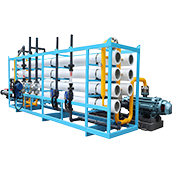
The large-scale RO equipment operation manual is the most essential on-site management document for centralized large-flow reverse osmosis pure water stations. Different from small integrated RO skids, large industrial RO systems adopt multi-membrane rack parallel layout, matched with centralized dosing equipment, unified high-pressure pump groups and integrated PLC intelligent control modules. Improper operation will easily cause unbalanced flow among each branch, membrane partial overload, severe scaling and irreversible damage to expensive membrane elements.
A complete official operation manual divides the whole system management into pre-start check, normal running supervision, preventive maintenance and emergency response modules. The service life and stable operation state of liquid filters are marked as priority inspection items throughout the full manual. Blocked filter cartridges will raise raw water SDI value, continuously pollute the membrane surface and shorten the service cycle of RO membrane components greatly.
We classify the manual compiling content according to system scale. For medium-large water stations built with standard process layout from Professional Design of RO System for Industrial Pure Water Stations, the operation manual sets unified fixed parameter values and simple standardized operation procedures. For super large multi-branch industrial water treatment projects, combined with the acceptance test data of Industrial RO Equipment Acceptance Criteria for High-standard Water Stations, the manual adds branch independent adjustment steps and linkage protection operation logic.
Most unofficial simplified operation documents only record simple startup steps, lacking detailed inspection standards and fault emergency plans. Our formal large-scale RO operation manual contains seven core parts: pre-start full item check table, graded system startup operation procedure, real-time parameter normal fluctuation range, liquid filter & consumable replacement cycle table, regular chemical cleaning operation flow, typical fault judgment & disposal methods, emergency shutdown operation specification. Operators follow the manual to carry out daily work, and the large RO system can steadily supply mass qualified pure water for boiler feed water, mass production raw material preparation and workshop large-scale component cleaning.
2. Reverse Osmosis Working Principle & Manual Compilation Logic
Reverse osmosis adopts pressure-driven physical separation mechanism, which is the theoretical basis for compiling all operation parameter standards inside the large-scale RO operation manual. When the driving pressure formed by high-pressure pumps is higher than the natural osmotic pressure of raw water, pure water molecules penetrate polyamide semi-permeable membranes, while salts, colloids and suspended contaminants are intercepted on the concentrated water side to realize raw water desalination and purification. All pressure, flow, conductivity and interlock protection parameters written in the manual are formulated based on the stable operation balance required by this separation process.
The four-stage system composition and corresponding operation management contents stipulated in the manual are as follows:
Stage 1: Pretreatment system operation management
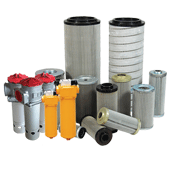
The manual clarifies the inspection frequency, pressure difference alarm value and replacement cycle of liquid filters and multi-media tanks. This pretreatment system is the primary protective barrier for the whole large-scale RO main system.
Stage 2: Dosing system operation regulation
Record the standard flow range of anti-scaling agent and biocide metering pumps, and list the adjustment methods when raw water quality fluctuates seasonally to prevent membrane scaling and biological contamination.
Stage 3: Main membrane separation rack operation control
Specify the allowable differential pressure increment of each membrane rack, normal product water conductivity range and concentrated water flow adjustment method. Parallel membrane groups need regular flow balance adjustment according to manual requirements.
Stage 4: Centralized intelligent control system operation
Write down PLC parameter viewing steps, automatic flushing cycle setting and remote monitoring operation methods to realize unattended automatic operation of large RO equipment.

3. Core Technical Parameters Stipulated In Large-scale RO Operation Manual
System operating pressure: Main working pressure controlled at 1.0~1.5MPa, matching the design parameters inside Professional Design of RO System for Industrial Pure Water Stations.
Liquid filter control index: Replace filter cartridges when the inlet and outlet pressure difference rises above 0.05MPa; guarantee system inlet SDI ≤5 all the time.
System water recovery rate: Stably maintained at 60%~78% under rated load, forbid long-term over-recovery operation.
Permeate water conductivity: Keep stable within the qualified range specified in Industrial RO Equipment Acceptance Criteria for High-standard Water Stations.
Membrane differential pressure warning value: If the differential pressure increases by more than 0.2MPa compared with the initial value, arrange chemical cleaning immediately.
Operation temperature: Raw water temperature stably kept between 5℃ ~ 40℃, avoid ultra-low or high-temperature running.
4. Quality Control Standards For Official RO Operation Manual Compilation
First, data authenticity: All operation parameters are derived from actual test data of finished equipment factory debugging and on-site commissioning data, without arbitrary theoretical value filling.
Second, step operability: Each operation action is written in detailed step-by-step descriptions to reduce misoperation caused by operator experience difference.
Third, periodic update mechanism: The manual reserves revision space for raw water quality changes and equipment aging, matching updated operation data dynamically.
Fourth, safety warning marking: Mark high-pressure pipeline danger, chemical medicine operation protection and emergency interlock instructions in prominent positions of the manual.
5. Industrial Application Scenarios Matched With Large-scale RO Operation Manual
Thermal power plant boiler feed water RO station: The manual strengthens anti-scaling dosing adjustment content adapting to high-hardness raw water characteristics.
Pharmaceutical factory mass purified water production line: Add CIP cleaning standardized operation steps complying with GMP management requirements.
New energy battery large-scale pure water workshop: Clarify multi-group parallel membrane rack balance operation methods to guarantee stable water quality for batch production.
Chemical industrial centralized water supply station: Highlight liquid filter regular inspection frequency to cope with high organic pollutant raw water environment.
Large food processing industrial park: Adopt the standard operation flow formulated by Professional Design of RO System for Industrial Pure Water Stations for daily routine management.
Raw water conditions and production operation modes are different in various regions. Our operation manual will be slightly customized according to customer actual working conditions on the basis of the universal standard version, balancing operation safety and equipment service life.

6. Frequently Asked Questions (FAQ)
FAQ1: What core modules are contained in a standard large-scale RO equipment operation manual?
A: It includes pre-start inspection checklist, graded startup & shutdown operation steps, liquid filter maintenance schedule, membrane operation parameter standard, regular cleaning operation flow and fault emergency disposal scheme, supported by the design data of Professional Design of RO System for Industrial Pure Water Stations and acceptance indicators of Industrial RO Equipment Acceptance Criteria for High-standard Water Stations.
FAQ2: Why is liquid filter management listed as a key content in the RO operation manual?
A: Liquid filter intercepts suspended impurities in raw water. Irregular replacement or inspection will lead to filter clogging, elevated inlet SDI value and continuous fouling of expensive RO membrane elements, bringing high equipment maintenance costs and production shutdown losses.
FAQ3: Can operators adjust RO operating pressure arbitrarily according to water demand?
A: Forbidden. The manual marks the safe pressure range; excessive pressure will cause membrane structural damage, while too low pressure will reduce water output and water treatment efficiency.
FAQ4: What risks will be caused by operating large RO equipment without referring to formal operation manual?
A: Unbalanced flow of parallel membrane racks, premature membrane fouling and scaling, frequent system alarms, serious equipment damage and unplanned production shutdown are easy to occur.
FAQ5: How to formulate the replacement cycle of liquid filter cartridges according to the operation manual?
A: Take the pressure difference data between filter inlet and outlet as the judgment standard. When the pressure difference exceeds 0.05MPa, replace the filter cartridges immediately, and make a regular replacement record for reference.
FAQ6: Does the operation manual contain emergency handling methods for sudden system shutdown?
A: Yes. Independent emergency shutdown, power failure recovery, pipeline leakage and membrane abnormal pressure alarm disposal steps are written in the special emergency chapter of the manual to guide operators to respond quickly on site.
Other products you want to know about:
Automatic Back-flushing Filter
Ultrafiltration equipment
Precision water filter