Professional Industrial RO Equipment Energy-saving Retrofit Service
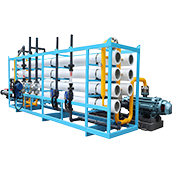
Industrial RO equipment energy-saving retrofit is a professional systematic upgrading solution for aging industrial reverse osmosis water treatment systems to reduce operational power consumption and restore stable water production efficiency. It is critical to upgrade and calibrate the supporting liquid filter system during retrofitting to eliminate raw water particulate impurities, stabilize inlet water quality, and prevent extra energy waste caused by membrane fouling and pipeline blockage. Industrial manufacturers can optimize overall system energy efficiency by adopting mature solutions including Custom Reverse Osmosis Equipment Design Proposal for Industrial Factory Water Projects and Industrial RO System Supplier: Full-cycle Custom Water Treatment Machine, avoiding costly full equipment replacement. This comprehensive retrofit service covers system energy consumption diagnosis, pretreatment optimization, frequency conversion transformation, intelligent control upgrading and post-renovation performance testing. Suitable for small workshop skid units and large centralized industrial water stations, this solution serves chemical, pharmaceutical, new energy and food processing industries. This article elaborates retrofit service overview, optimized working principles, core energy-saving parameters, quality control standards, industrial application scenarios and key FAQs to guide factory energy-saving renovation and long-term operational cost reduction.

1. Product & Service Overview
Industrial RO equipment energy-saving retrofit refers to targeted technical upgrading for aging, high-energy-consumption reverse osmosis water purification systems widely used in industrial production. After 3–5 years of continuous operation, traditional RO equipment commonly suffers from fixed-frequency pump energy waste, degraded pretreatment filtration performance, outdated control logic and severe membrane fouling, resulting in rising power bills, reduced water yield and unstable effluent quality. Different from full equipment replacement with high investment, energy-saving retrofit realizes low-cost efficiency improvement by retaining original valid structures and upgrading inefficient core components, becoming the most cost-effective renovation choice for industrial water stations.
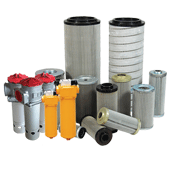
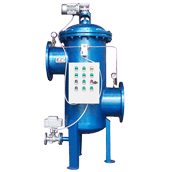
Pretreatment optimization is the core foundation of all energy-saving retrofit projects, and liquid filter upgrading is indispensable. Aging and low-precision filter cartridges fail to intercept suspended solids and colloids effectively, leading to rising RO membrane inlet SDI values, frequent membrane contamination and increased system operating pressure. Higher running pressure directly causes continuous power overconsumption, forming a vicious cycle of high energy use and frequent equipment maintenance. Upgrading high-performance matched liquid filter assemblies fundamentally stabilizes inlet water quality, reduces membrane fouling frequency and cuts invalid energy loss.
We formulate tiered retrofit schemes for different project scales. Small and medium-sized factory water stations adopt lightweight upgrading based on Custom Reverse Osmosis Equipment Design Proposal for Industrial Factory Water Projects, mainly optimizing liquid filter configuration and upgrading fixed-speed pumps to variable-frequency pumps without large-scale equipment demolition. Large industrial park high-flow water stations deploy comprehensive deep retrofits, supporting full system optimization and component matching of Industrial RO System Supplier: Full-cycle Custom Water Treatment Machine, including membrane module renewal, PLC intelligent control upgrade and water recovery rate optimization. All renovation schemes are customized according to on-site raw water quality, operating hours and production water demand to balance transformation cost and energy-saving benefits.
2. Working Principle & Retrofit Optimization
Logic Industrial reverse osmosis systems operate based on pressure-driven membrane separation technology. By applying external pressure higher than the raw water osmotic pressure, pure water molecules pass through high-precision RO membranes, while salts, impurities and colloids are intercepted to achieve water purification. The energy waste of aging RO systems mainly comes from three aspects: constant full-load operation of fixed-speed high-pressure pumps, increased operating pressure caused by unfiltered pollutants and unreasonable flushing and control logic leading to water and power waste.
The energy-saving retrofit optimizes every energy-consuming link based on the original working principle. First, upgrading liquid filter pretreatment reduces membrane pollution and lowers system operating pressure. Second, frequency conversion pump transformation realizes automatic pressure adjustment according to real-time water demand, avoiding no-load and full-load invalid power consumption. Third, upgrading intelligent control system optimizes automatic flushing cycles and fault early warning logic, reducing ineffective water and power loss. For high-salinity and high-pollution raw water working conditions, we adjust the concentrate discharge ratio and water recovery rate through professional process design, further improving overall system operating efficiency and energy-saving effect.

3. Core Technical Parameters After Energy-saving Retrofit
All industrial RO equipment energy-saving retrofit projects implement unified standardized technical parameters to ensure stable energy-saving effects and water quality compliance:
1. Energy-saving efficiency: The overall system power consumption is reduced by 15%–30%, with higher energy-saving rate for seriously aging equipment.
2. Pretreatment index: Upgraded liquid filter ensures inlet water SDI ≤5 and turbidity ≤1 NTU, effectively protecting RO membrane elements.
3. Water production capacity: Restore 100% rated water yield, solving the problem of reduced production capacity caused by long-term membrane fouling.
4. Water recovery rate: Optimize pipeline and concentrate balance, increasing system water recovery rate by 3%–6% to save water resources.
5. Operating pressure: Reduce average working pressure reasonably, lower pump load and extend the service life of pressure components.
6. Control performance: Upgrade to intelligent PLC automatic control, realizing automatic flushing, overpressure protection and real-time operation data monitoring.
All parameters are strictly calibrated with reference to the design standards of Custom Reverse Osmosis Equipment Design Proposal for Industrial Factory Water Projects, ensuring long-term stable and efficient operation of the renovated equipment.
4. Retrofit Quality Control Standards
To ensure reliable and long-term energy-saving effects, all retrofit constructions follow strict industrial water treatment quality control specifications. Before construction, our team conducts comprehensive on-site detection, including raw water quality testing, equipment aging assessment and real-time energy consumption monitoring, to accurately locate all energy loss points and formulate targeted upgrading plans. All upgraded accessories such as liquid filters and frequency conversion pumps adopt industrial-grade qualified products to avoid secondary quality problems.
During construction, every transformation link adopts standardized process operation. Pipeline reconstruction undergoes strict pressure resistance and leakage tests; electrical control upgrading follows international safety standards. After construction, the renovated RO system will run 72-hour full-load continuous debugging to record real-time power consumption, water yield and water quality data. Only when all energy-saving and water quality indicators meet the standard can the project be accepted and delivered. Meanwhile, we provide complete operation manuals and regular maintenance guidelines to help customers maintain stable energy-saving effects for a long time.

5. Industrial Application Scenarios
Industrial RO equipment energy-saving retrofit is widely applicable to various industrial manufacturing scenarios with aging water treatment systems. For food and beverage factories with medium and small water demand, lightweight pretreatment and frequency conversion upgrading is adopted to control cost while ensuring hygienic water quality standards. For pharmaceutical and biopharmaceutical factories, the retrofit optimizes sanitary pipelines and automatic disinfection control on the basis of energy saving to meet GMP purification requirements.
For new energy, semiconductor and electronic manufacturing workshops, high-precision liquid filter upgrading and membrane performance optimization are carried out to ensure ultra-pure water quality while reducing operating costs. For thermal power plants and large chemical industrial parks with 24-hour continuous water supply, we adopt comprehensive deep retrofit solutions matched with Industrial RO System Supplier: Full-cycle Custom Water Treatment Machine to realize large-scale energy saving and stable system operation. Targeted customized schemes for different industries and working conditions maximize project cost performance.
6. Frequently Asked Questions (FAQ)
FAQ 1: What core items are included in industrial RO equipment energy-saving retrofit?
Complete retrofit items include on-site system energy consumption diagnosis, liquid filter pretreatment upgrading, frequency conversion pump transformation, RO membrane performance optimization, PLC intelligent control upgrading and water recovery rate adjustment, supporting customized design of Custom Reverse Osmosis Equipment Design Proposal for Industrial Factory Water Projects.
FAQ 2: Why is liquid filter upgrading crucial for RO energy-saving transformation?
A high-quality liquid filter effectively intercepts raw water impurities, reduces membrane fouling and system operating pressure. Upgrading this component eliminates invalid power consumption caused by blocked membranes and pipelines, which is the key to maintaining long-term stable energy-saving effects.
FAQ 3: Does the retrofit require full replacement of original RO equipment?
No. The energy-saving retrofit retains qualified original structures such as skid frames and pressure vessels, only upgrading aging and high-energy-consumption components. It greatly saves investment compared with full equipment replacement.
FAQ 4: How much energy can be saved after RO equipment retrofit?
According to actual operating data, the renovated system can achieve 15%–30% power saving. The specific energy-saving ratio depends on the aging degree of the original equipment and on-site raw water conditions.
FAQ 5: Is the energy-saving retrofit suitable for all aging industrial RO systems?
Yes. Our tiered retrofit schemes adapt to small workshop skid equipment and large industrial centralized water stations, covering conventional industrial water purification and high-standard ultra-pure water systems.
FAQ 6: How to maintain the energy-saving effect after transformation?
Regularly replace liquid filter cartridges according to pressure difference data, maintain reasonable anti-scaling agent dosage, keep automatic flushing function running, and conduct regular membrane cleaning to avoid performance degradation and energy rebound.
Other products you may want to know about:
Automatic Back-flushing Filter
Ultrafiltration equipment
High Flow Filter Element