RO System Operating at 1-1.5 MPa for Stable Industrial Water Purification
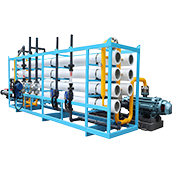
RO system operating at 1-1.5 MPa is an efficient reverse osmosis solution designed for industrial applications requiring stable filtration performance, controlled energy consumption, and reliable water quality output. By maintaining an optimized operating pressure range, this system ensures effective membrane separation while reducing unnecessary energy usage and extending membrane service life. Combined with Industrial reverse osmosis system, RO membrane filtration system, and Industrial water treatment equipment, it provides a practical water purification solution for manufacturing plants, food processing facilities, pharmaceutical industries, and other industrial sectors.

Product Description
In industrial reverse osmosis applications, operating pressure is one of the most important factors affecting filtration efficiency, energy consumption, and membrane performance. A system that operates under excessive pressure may increase electricity costs and accelerate membrane wear, while insufficient pressure can reduce water production capacity and affect purification results.
The RO system operating at 1-1.5 MPa is designed to achieve an effective balance between filtration performance and operational efficiency. By maintaining a stable pressure range, the system allows water molecules to pass through the semi-permeable membrane while effectively rejecting dissolved salts, minerals, and other unwanted substances.
Compared with traditional high-pressure operation methods, a properly controlled 1-1.5 MPa working pressure provides a more energy-efficient approach for many industrial water treatment applications. It helps reduce mechanical stress on system components while maintaining consistent purified water production.
For companies evaluating water treatment solutions, operating pressure is not only a technical specification but also an important consideration related to total ownership cost. A properly designed pressure system can contribute to lower energy consumption, fewer maintenance requirements, and longer equipment service life.
The RO system operating at 1-1.5 MPa can be customized according to different water sources, treatment capacities, and industrial requirements. By combining suitable membrane elements, efficient pumps, and precise control systems, the equipment delivers stable performance for continuous industrial operation.
Why Operating Pressure Matters in RO Water Treatment
The working pressure of an RO system directly determines how effectively water can be separated through the membrane. Reverse osmosis relies on pressure to overcome natural osmotic pressure and force water molecules through the membrane structure.
However, higher pressure does not always mean better performance. Excessive pressure can create additional stress on membranes and increase energy requirements. For many industrial applications, selecting an appropriate pressure range is more important than simply increasing pressure.
The RO system operating at 1-1.5 MPa focuses on pressure optimization rather than pressure maximization. This approach improves system efficiency by providing enough driving force for membrane filtration while maintaining stable equipment operation.
A balanced pressure design is especially valuable for industries that require long operating hours. When equipment operates continuously, even small improvements in energy efficiency and component protection can create significant long-term benefits.
Working Principle
The operation of the RO system operating at 1-1.5 MPa is based on pressure-driven membrane separation technology. The system uses controlled pressure to separate purified water from dissolved impurities, providing reliable water quality for industrial processes.
The complete process generally includes several stages:
1. Pretreatment Process
Before entering the RO membrane unit, raw water passes through pretreatment systems such as sediment filtration, activated carbon filtration, or cartridge filtration. These processes remove suspended particles, chlorine, and other substances that may damage the membrane.
2. Pressure Regulation Process
After pretreatment, water enters the pressure control section. The system adjusts operating pressure through efficient pumps and control devices to maintain the required 1-1.5 MPa range.
Stable pressure control ensures that the membrane receives consistent water flow and prevents performance fluctuations caused by pressure instability.
3. RO Membrane Separation
Under controlled pressure, water passes through the RO membrane. The membrane structure allows water molecules to pass while blocking most dissolved salts, organic compounds, and contaminants.
4. Purified Water Collection
The filtered water becomes product water, which can be used directly in industrial processes or stored for later use. The concentrated water stream is managed according to specific application requirements.
Through precise pressure management, the system achieves reliable filtration performance while maintaining efficient operation.
Technical Features
1. Optimized Operating Pressure Range
The key feature of the RO system operating at 1-1.5 MPa is its precisely controlled pressure range. Instead of using unnecessarily high pressure, the system maintains an efficient operating condition that provides sufficient filtration force while avoiding excessive energy consumption.
The optimized pressure design helps the RO membrane achieve stable separation performance and reduces pressure-related stress on pumps, pipelines, and membrane components.
For industrial users, this means a more balanced operation between water production efficiency, energy consumption, and equipment durability.
2. Stable RO Membrane Performance
RO membranes require suitable pressure conditions to maintain long-term filtration efficiency. Excessive operating pressure may accelerate membrane compaction, while unstable pressure can lead to inconsistent water quality.
The RO system operating at 1-1.5 MPa provides a stable hydraulic environment, allowing membrane elements to operate under appropriate conditions.
This helps maintain consistent salt rejection performance, improve filtration reliability, and extend membrane replacement intervals.
3. Energy-Efficient Pressure Control System
Energy consumption is an important consideration in industrial water treatment operations. The system adopts efficient pressure management technology to ensure that power consumption is matched with actual filtration requirements.
By maintaining an appropriate pressure range, the RO system operating at 1-1.5 MPa reduces unnecessary pump workload and improves overall energy efficiency.
This makes it a suitable choice for factories seeking lower operating costs and more sustainable production methods.
4. Intelligent Pressure Monitoring and Control
Modern industrial RO systems require accurate monitoring to maintain stable operation. The equipment can be equipped with pressure sensors, automatic control panels, and real-time monitoring functions.
The intelligent control system continuously tracks important parameters such as inlet pressure, membrane pressure difference, and system operating status.
This allows operators to identify abnormal conditions quickly and maintain reliable equipment performance.
5. Flexible Industrial Configuration
Different industries have different requirements for water capacity, feed water conditions, and installation environments. The RO system operating at 1-1.5 MPa can be customized according to specific project requirements.
Configuration options may include different membrane quantities, pretreatment methods, material selections, and automation levels.
This flexibility allows the system to serve various industrial applications from small production facilities to large-scale manufacturing plants.
Product Advantages
1. Lower Energy Consumption
One of the major benefits of the RO system operating at 1-1.5 MPa is improved energy efficiency. By operating within a reasonable pressure range, the system avoids excessive power consumption caused by unnecessary pressure increases.
For industrial facilities running continuously, reduced energy demand can significantly improve long-term operational economics
2. Extended RO Membrane Service Life
Proper operating pressure plays an important role in protecting membrane elements. Stable pressure conditions reduce mechanical stress and help prevent premature membrane performance decline.
The system design supports longer membrane service cycles, reducing replacement frequency and maintenance costs.
3. Stable Water Quality Output
Industrial production processes often require consistent water quality. Pressure fluctuations can affect membrane separation efficiency and cause unstable product water quality.
The RO system operating at 1-1.5 MPa provides stable operating conditions to maintain reliable filtration performance.
4. Reduced Maintenance Requirements
Stable pressure operation helps reduce stress on pumps, valves, and membrane components. As a result, the system requires fewer corrective maintenance operations during long-term use.
Combined with regular inspection and cleaning, the equipment can maintain efficient performance for extended periods.
5. Better Cost Performance
A properly designed RO pressure system provides advantages throughout the equipment lifecycle. Lower energy consumption, reduced maintenance requirements, and reliable performance contribute to better overall investment value.
Application Fields
1. Electronics Manufacturing
Electronics production requires high-quality process water for cleaning, component manufacturing, and precision processes. The RO system operating at 1-1.5 MPa provides stable purified water production while maintaining efficient operation.
Its controlled pressure environment helps ensure consistent water quality required for sensitive manufacturing processes.
2. Food and Beverage Processing
Food and beverage companies depend on reliable water treatment systems for ingredient preparation, production processes, and equipment cleaning.
The controlled operation of the RO system operating at 1-1.5 MPa helps provide consistent water quality while optimizing energy usage.
3. Pharmaceutical Industry
Pharmaceutical applications require strict control of water purity and system stability. The RO system provides reliable membrane filtration performance for purified water production.
4. Chemical Processing
Chemical industries require durable water treatment solutions capable of handling demanding operating environments. The optimized pressure design supports continuous industrial water purification.
5. Industrial Production Facilities
Factories with continuous water demand can benefit from the stable performance and energy-efficient operation of the RO system operating at 1-1.5 MPa.
Why Choose Our RO System
Selecting the right reverse osmosis supplier is essential for achieving stable water treatment performance and long-term operating efficiency. Our RO system operating at 1-1.5 MPa is designed based on professional engineering principles, focusing on pressure optimization, equipment reliability, and customer-specific requirements.
Unlike standard water purification solutions that use fixed configurations, our systems can be customized according to different water sources, production capacities, and industrial applications. From component selection to system integration, every detail is considered to ensure stable operation under different working conditions.
Our advantages include:
1. Professional Pressure Optimization Design
2. High-Quality Components Selection
3. Customized Industrial Solutions
4. Strict Quality Control
5. Technical Support and After-Sales Service
FAQ
Q1: What operating pressure does an industrial RO system require?
A1: The required operating pressure depends on membrane type, feed water quality, and application requirements. Many industrial applications use an optimized pressure range such as RO system operating at 1-1.5 MPa to balance filtration efficiency and energy consumption.
Q2: Why does RO system pressure affect water quality?
A2: Pressure provides the driving force required for membrane separation. If pressure is too low, water production and filtration efficiency may decrease. Stable pressure helps maintain consistent water quality.
Q3: Is 1-1.5 MPa suitable for all RO membranes?
A3: Not every membrane operates under the same pressure conditions. The suitable pressure depends on membrane specifications, water characteristics, and system design. Professional configuration is required to achieve the best performance.
Q4: How can pressure fluctuations affect RO equipment?
A4: Unstable pressure may reduce filtration consistency, increase membrane stress, and affect product water quality. A reliable pressure control system helps maintain stable operation.
Q5: How do I select the correct operating pressure for an RO system?
A5: The correct pressure should be selected based on water source conditions, required capacity, membrane specifications, and application requirements. A professional supplier can help design the appropriate operating parameters.
You May Also Be Interested In
Industrial RO Equipment with Recovery Rate ≥75%
RO Equipment Remote Monitoring System
Industrial 400 GPD RO Membrane
50 T/H Output Reverse Osmosis Equipment
How to Size Industrial Reverse Osmosis Equipment