1.Application Scenarios

RO membrane scaling prevention is widely applicable to all fields equipped with RO water treatment systems, and itsprevention intensity and methods vary according to the hardness of raw water, water consumption and application requirements.
First, household RO water purifiers. The tap water in many areas has high hardness, and if RO membrane scaling prevention measures are not taken, scale will quickly accumulate on the membrane surface, leading to reduced water output, slow water flow, and shortened membrane service life , affecting the taste and safety of drinking water.
Second, industrial water treatment systems. Industries such as pharmaceuticals, food processing, electronics and chemical engineering have high requirements for water quality and large water consumption. RO membrane scaling prevention can effectively avoid membrane blockage caused by scaling, ensure stable water purification stability , and meet strict production water standards.
Third, municipal water supply and sewage treatment systems. Municipal raw water has complex components and high hardness, and RO membrane scaling prevention can reduce the frequency of membrane cleaning and replacement, ensure the continuity of water supply and sewage treatment, and reduce municipal operation costs.
Fourth, commercial places such as hospitals, hotels and shopping malls. These places have large water consumption and high requirements for water quality safety. Standardized RO membrane scaling prevention measures can prevent secondary pollution caused by scaling, ensure the safety of users' water use, and avoid losses caused by system shutdown.
2. Technical Parameters

Scientific RO membrane scaling prevention must rely on clear scaling prevention parameters , which are the key to ensuring the prevention effect and avoiding membrane damage. Based on my long-term practical experience, the core scaling prevention parameters related to RO membrane scaling prevention are as follows:
Raw water hardness: The total hardness of raw water should be controlled below 250 mg/L ; if the hardness exceeds the standard, pretreatment measures such as softening must be taken.
Antiscalant parameters: When using antiscalant , the adding concentration is 3-5 ppm, the pH value of the solution is 6.0-8.0, and the adding time should be 10-15 minutes before the raw water enters the RO membrane.
Operating temperature: The operating temperature of the RO system should be controlled at 5-35℃; too high temperature will accelerate the scaling rate, so cooling measures should be taken when the temperature exceeds 35℃.
Operating pressure: The operating pressure should be kept stable at 0.4-0.6 MPa; excessive pressure will increase the supersaturation of soluble salts, leading to accelerated scaling.
Recovery rate: The recovery rate of the RO system should be controlled at 70-75%; too high recovery rate will increase the concentration of salts in the concentrated water, leading to scaling.
Pretreatment parameters: The turbidity of raw water after pretreatment should be ≤1 NTU, the SDI should be ≤5, and the free chlorine content should be ≤0.1 ppm to avoid colloidal scaling and chemical scaling.
3. Product Advantages

Through years of practice and summary, I have found that standardized RO membrane scaling prevention measures have obvious core advantages compared with ignoring prevention or using irregular prevention methods.
First, effectively extend membrane service life Scientific RO membrane scaling prevention can prevent the formation of irreversible scale on the membrane surface and pores, extending the RO membrane service life by 3-5 years, which greatly reduces the cost of membrane replacement.
Second, ensure stable water purification stability,Membrane scaling will block the membrane pores, leading to reduced water output, decreased desalination rate and unstable water quality. RO membrane scaling prevention can keep the membrane pores unobstructed, ensuring stable water production flow rate and water quality.
Third, reduce operation and maintenance costs. Irregular prevention will lead to frequent membrane cleaning, replacement and system shutdown, increasing labor, material and production losses. RO membrane scaling prevention can reduce the frequency of professional cleaning by 80%, avoid system shutdown losses, and reduce overall operation and maintenance costs by 40-50%.
Fourth, strong operability and low cost. The RO membrane scaling prevention measures are standardized and easy to master, requiring no professional technical personnel; the cost of antiscalant and pretreatment equipment is low, and the input-output ratio is high.
Fifth, strong adaptability. The prevention measures are suitable for various types of RO membrane and different raw water quality , with good universality and no special equipment requirements.
4. Application Procedures
Many users do not know how to correctly implement RO membrane scaling prevention measures, resulting in poor prevention effect and even membrane damage. Combining my on-site operation experience, I have sorted out the standardized application procedures for RO membrane scaling prevention .
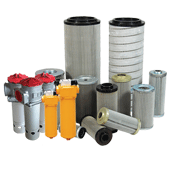
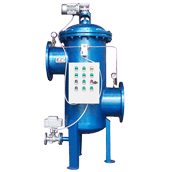
First, pretreatment of raw water. Filter the raw water to remove sediment, colloids and other impurities, reduce turbidity and SDI index; if the raw water hardness is too high, use a softener to reduce the hardness to the standard range.
Second, antiscalant addition. Prepare the antiscalant according to the specified concentration, and add it to the raw water pipeline through a metering pump, ensuring uniform mixing and sufficient reaction time.
Third, system operation control. Strictly control the operating temperature, pressure and recovery rate of the RO system, avoid sudden changes in parameters, and reduce the risk of scaling.
Fourth, regular inspection and monitoring. Regularly detect the water quality of raw water and produced water, monitor the pressure difference of the RO membrane (the pressure difference should not exceed 0.1 MPa), and find and solve potential scaling problems in time.
Fifth, regular maintenance. Clean the pretreatment equipment regularly, replace the filter element, and check the antiscalant adding system to ensure the normal operation of the prevention measures.
Sixth, emergency treatment. If slight scaling is found, timely adjust the scaling prevention parameters , increase the antiscalant dosage, and flush the membrane to avoid further development of scaling.
5. Quality Standards
RO membrane scaling prevention must comply with strict quality standards to ensure the prevention effect and avoid secondary damage to the RO membrane. Internationally, it follows the ISO 9001 quality management system and ASTM D4516 (Standard Test Method for Reverse Osmosis Membranes); domestically, it complies with GB/T 30307-2013 "Reverse Osmosis Membrane Elements for Water Treatment" and GB/T 5749-2022 "Standards for Drinking Water Quality". The key quality standards related to RO membrane scaling prevention include:
First, the raw water pretreatment must meet the standard, and the turbidity, SDI index and hardness must be controlled within the specified range to avoid the formation of colloidal and crystalline scale.
Second, the antiscalant used must be non-toxic, non-corrosive, and shall not damage the polyamide selective layer of the RO membrane , and its residual amount in the produced water must be ≤0.05 ppm.
Third, the scaling prevention parameters must be strictly implemented, and the operating temperature, pressure, recovery rate and antiscalant dosage shall not exceed the standard range.
Fourth, after implementing prevention measures, the RO membrane shall have no obvious scaling, the water production flow rate shall remain stable (fluctuation ≤5%), and the desalination rate shall not decrease by more than 1%.
Fifth, the entire prevention process must be standardized, with complete operation records and traceability, so as to facilitate subsequent maintenance and optimization.
6. Working Principle
The principle of RO membrane scaling prevention is based on the scaling mechanism of RO membrane and the characteristics of soluble salts and colloidal substances in raw water. During the operation of the RO system, the raw water is concentrated through the selective permeability of the RO membrane, and the concentration of soluble salts in the concentrated water exceeds the solubility limit, leading to precipitation and accumulation on the membrane surface and pores, forming membrane scaling. Colloidal substances in raw water will also be adsorbed on the membrane surface, accelerating the formation of scale. Therefore, the core of RO membrane scaling prevention is to break the scaling mechanism through multiple measures: raw water pretreatment removes colloidal substances and reduces hardness, reducing the source of scaling; antiscalant can complex with metal ions in raw water, prevent the precipitation of soluble salts, and delay the scaling rate; stable operating parameters avoid increasing the supersaturation of soluble salts, reducing the possibility of scaling. These measures work together to achieve the purpose of preventing membrane scaling and protecting the RO membrane .
7. Future Prospects
With the continuous popularization of RO water treatment systems and the increasing requirements for energy conservation, environmental protection and stable operation, RO membrane scaling prevention will have broader development prospects. From the perspective of industry development, there are three main directions. First, intelligent prevention. RO systems will be integrated with Internet of Things, sensor technology and artificial intelligence, real-time monitor the water quality of raw water, the operating parameters of the system and the pollution status of the RO membrane , automatically adjust the scaling prevention parameters and antiscalantdosage, and realize intelligent control of RO membrane scaling prevention , which is more efficient and accurate. Second, green and environmentally friendly prevention technology. The research and development of environmentally friendly, degradable and efficient antiscalant will replace traditional chemicalRO membrane scaling prevention refers to a series of standardized technical measures and operational steps designed to prevent the precipitation and accumulation of soluble salts and colloidal substances in raw water on the surface and pores of RO membrane , reducing environmental pollution while ensuring the prevention effect; at the same time, the application of physical prevention technologies (such as electromagnetic anti-scaling) will further improve the environmental protection of prevention measures. Third, customized prevention services. Professional water treatment teams will provide customized RO membrane scaling prevention plans according to the specific raw water quality, application scenarios and water consumption of users, helping users achieve precise prevention and further reduce operation and maintenance costs. In addition, the combination of anti-scaling technology and membrane material innovation will further improve the anti-scaling performance of the RO membrane , reducing the difficulty of prevention.
8. Conclusion
RO membrane scaling preventionis a key link to ensure the long-term stable operation of RO water treatment systems and protect the RO membrane . Scientific and standardized RO membrane scaling prevention measures can effectively prevent the formation of membrane scaling , avoid irreversible damage to the membrane, ensure stable water purification stability , extend membrane service life and reduce overall operation and maintenance costs.RO membrane scaling prevention is affected by scaling prevention parameters , raw water quality, operating conditions and other factors, and its implementation requires strict compliance with quality standards and operational procedures. As the core component of the RO system, the performance of the RO membrane is closely related to the effect of RO membrane scaling prevention . With the continuous progress of intelligent technology and environmental protection technology, RO membrane scaling prevention will become more scientific, efficient and environmentally friendly, playing a more important role in the field of water resource utilization and providing more reliable water treatment solutions for users in various fields.
9. Frequently Asked Questions (FAQs)
Q1: What is RO membrane scaling prevention, and what is its role?
A1: RO membrane scaling prevention refers to a series of standardized technical measures and operational steps to prevent soluble salts and colloidal substances in raw water from precipitating and accumulating on the RO membrane . Its role is to avoid membrane scaling, extend membrane service life , ensure water purification stability and reduce operation and maintenance costs.
Q2: What factors will lead to RO membrane scaling?
A2: The main factors include high raw water hardness , high operating temperature, unstable operating pressure, too high system recovery rate, insufficient pretreatment of raw water and lack of effective antiscalant addition.
Q3: What scaling prevention parameters need to be paid attention to in RO membrane scaling prevention?
A3: The key scaling prevention parameters include raw water hardness , antiscalant concentration , operating temperature (5-35℃), operating pressure (0.4-0.6 MPa) and system recovery rate.
Q4: Is it necessary to use antiscalant for RO membrane scaling prevention?
A4: It is necessary for most scenarios. For raw water with high hardness, antiscalant can effectively prevent the precipitation of soluble salts; for raw water with low hardness, it can be combined with raw water pretreatment to achieve anti-scaling effect, but adding an appropriate amount of antiscalant can further improve the prevention effect.
Q5: Can ordinary users implement RO membrane scaling prevention independently?
A5: Yes. For household RO water purifiers, ordinary users can regularly replace the pretreatment filter element, ensure the normal operation of the antiscalant adding device, and control the use frequency to achieve basic anti-scaling effect; for industrial and commercial systems, professional personnel are recommended to operate according to the standard procedures.
Q6: How to judge whether the RO membrane has scaling?
A6: The main signs include: obvious increase in the pressure difference of the RO membrane , significant reduction in water production flow rate , decrease in desalination rate , and white or yellow scale on the membrane surface when disassembling and inspecting.