Tubular Ultrafiltration Membrane for Heavy Polluted Water Treatment
Tubular ultrafiltration membrane is a durable, anti-fouling core filtration component specially designed for complex industrial wastewater purification scenarios. As a heavy-duty liquid filter with open flow channels, this membrane matches perfectly with Industrial Skid Mounted Ultrafiltration Equipment and standard Ultrafiltration equipment to build stable whole-process water separation systems for oily sewage, coating wastewater and high-solids process fluid treatment. This paper comprehensively elaborates structural features, separation mechanism, standardized technical indicators, production quality control and diversified industrial application ranges of tubular ultrafiltration membrane, helping overseas industrial buyers judge its matching advantages against hollow fiber ultrafiltration modules in harsh working environments.

1. Product Introduction
Different from compact hollow fiber membrane elements widely used in clean water pretreatment, tubular ultrafiltration membrane adopts thick-walled tubular structure with large-diameter inner runner, which fundamentally solves the blockage problem caused by high-concentration suspended solids, oil sludge and fiber impurities in wastewater. Each single tubular membrane tube forms an independent flow channel, pollutants will not accumulate and block the runner easily during cross-flow operation, so it becomes the preferred core filter material for high-fouling wastewater treatment projects.
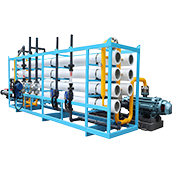
Our official website supplies two matched finished devices for tubular membrane assembly: Industrial Skid Mounted Ultrafiltration Equipment and conventional Ultrafiltration equipment. Manufacturers integrate multiple groups of tubular ultrafiltration membrane modules into stainless steel skid frames, supporting matched feed pumps, circulating pipelines, automatic backwash pipelines and PLC control cabinets to form plug-and-play integrated equipment. Customers do not need to purchase scattered membrane tubes and pipe fittings separately; the whole machine finishes assembly, pipeline layout and linkage debugging inside the factory workshop, which greatly shortens on-site construction period and reduces matching errors brought by self-assembly.
The main material of mainstream tubular ultrafiltration membrane is modified PVDF material with strong chemical corrosion resistance. The inner wall is the selective separation layer with fixed micropore size, and the outer wall is the porous supporting layer to strengthen the mechanical strength of the pipeline body. The tube diameter of conventional tubular membranes ranges from 8 mm to 12 mm, the open runner can allow large particle dirt to flow out with concentrated water smoothly, and the membrane surface can be cleaned mechanically with sponge balls on line to remove compact dirt layer. This irreplaceable physical cleaning performance makes tubular ultrafiltration membrane occupy an important position in difficult industrial wastewater treatment that hollow fiber membranes cannot adapt to.
When assembled into finished ultrafiltration equipment, tubular membrane groups rely on high-flow circulating pump to form high-speed cross-flow state inside the pipeline, which keeps long-term stable water flux under continuous operation of high-pollution raw water. Whether it is the integrated large-scale Industrial Skid Mounted Ultrafiltration Equipment for factory centralized wastewater treatment or small-sized Ultrafiltration equipment for single production line wastewater recovery, tubular ultrafiltration membrane can be customized in quantity and layout according to customers’ actual water volume and pollutant concentration.
2. Working Principle
The filtration mechanism of tubular ultrafiltration membrane belongs to typical pressure-driven cross-flow physical sieving separation. Driven by the circulating pump, raw wastewater flows at a high tangential speed inside each tubular membrane tube under operating pressure of 1.2–4 bar. Water molecules and small molecular soluble substances pass through the micropores on the tube wall separation layer and penetrate outward to form qualified clean permeate water, which is collected by the outer shell of the membrane module and discharged to the water production pipeline.
Macromolecular organics, emulsified oil droplets, suspended particles, sludge flocs and microbial groups larger than the membrane molecular weight cutoff are intercepted on the inner wall of the tubular membrane, and most intercepted pollutants are continuously washed away by high-speed cross-flow liquid and discharged out of the system along with concentrated water. This dynamic scouring greatly reduces the deposition speed of dirt on the membrane surface compared with dead-end filtration.
Two sets of maintenance modes are matched for tubular ultrafiltration membrane to guarantee long-term stable operation. First is online physical sponge ball cleaning, unique to tubular membrane products; elastic sponge balls are put into the pipeline regularly to scrub the inner wall of the membrane tube, removing sticky oil dirt and solid attachments without chemical agents. Second is regular chemical CIP cleaning: when physical cleaning cannot recover the design flux, acid and alkali liquid are circulated inside the membrane tube to dissolve inorganic scale and organic biofilm. All cleaning logic can be linked to the automatic control program of the matched ultrafiltration equipment to realize unattended automatic maintenance.

3. Technical Parameters
3.1 Core Tubular Membrane Parameters
Molecular Weight Cutoff (MWCO): 30 kDa / 50 kDa / 100 kDa optional
Effective inner diameter of membrane tube: 8 mm, 10 mm, 12 mm standard specifications
Membrane material: Modified PVDF (industrial universal); optional PES for special hygienic working conditions
Operating temperature range: 5–50℃ for continuous operation
pH tolerance range: Continuous running pH 2–11; cleaning impact pH 1–13
Standard design flux: 20–60 LMH (adjusted according to raw water pollutant loading)
Single membrane tube effective length: 3 m / 6 m common sizes
3.2 System Operation Parameters after Assembled into Equipment
Working pressure range: 1.2–4.0 bar, optimal operating pressure 1.8–3.0 bar
Overall system water recovery rate: 75%–90%
Permeate turbidity index: Steadily less than 0.2 NTU
Interception efficiency for emulsified oil & TSS: ≥98%
Permeate SDI value: ≤4, meeting the pretreatment requirement of subsequent advanced water treatment
3.3 Matching Equipment Configuration Parameters
Frame material of skid-mounted equipment: 304 stainless steel integral frame
Control system: PLC + local control box automatic operation
Physical sponge cleaning cycle: 1–3 times per day adjustable
Chemical cleaning cycle: 1–4 months according to actual water inlet pollution degree

4. Product Quality Control & Manufacturing Standard
Every batch of tubular ultrafiltration membrane tubes adopts precision phase inversion extrusion molding technology in production, strictly controlling the uniformity of micropore distribution on the tube wall to avoid local oversized pores leading to pollutant leakage. After membrane tube molding, each single tube will pass air pressure bubble point test one by one to eliminate tube wall cracks, pinholes and other defective products, ensuring the absolute interception performance of the finished membrane tube.
When assembling tubular membrane modules into ultrafiltration equipment, the sealing structure between membrane tube and module shell adopts food-grade fluororubber sealing rings to prevent raw water from channeling into the permeate side through gaps. All wetted pipelines and shell components are made of anti-corrosion stainless steel or UPVC material to avoid secondary water pollution.
Each set of finished ultrafiltration equipment assembled with tubular membranes will complete FAT factory acceptance test before delivery. Simulate real wastewater operating conditions to test flux stability, pressure difference change and automatic cleaning program execution effect. All products pass CE safety certification and ISO9001 quality system certification. With standardized operation and periodic maintenance, the service life of tubular ultrafiltration membrane can reach 6–8 years, far longer than hollow fiber membranes under high-fouling working conditions.
5. Application Fields
Combined with the strong anti-blocking advantage of tubular ultrafiltration membrane, the matched ultrafiltration equipment is widely applied in multiple high-pollution industrial wastewater treatment fields:
Automobile electrophoretic paint wastewater treatment: Recover electrophoretic paint solids from rinsing wastewater to reduce raw material loss and wastewater discharge cost
Electroplating & metal processing wastewater: Intercept heavy metal hydroxide precipitates and oil stains to realize wastewater standard discharge or on-site reuse
Petrochemical oily wastewater treatment: Separate emulsified oil and suspended sludge in produced water and refining wastewater
Food processing high-concentration wastewater: Treat slaughter wastewater, fruit and vegetable processing wastewater with high organic solid content
Printing and dyeing textile wastewater: Remove dye flocs and textile fiber impurities in printing wastewater for water resource recycling
Construction mud and mine process wastewater: Treat high-suspended solid wastewater generated in construction and mineral washing links
FAQ
Q1: What is the biggest difference between tubular ultrafiltration membrane and hollow fiber membrane?
A: Tubular membrane has large open inner runners, supports sponge ball physical cleaning and bears high suspended solids, mainly for oily & high-fouling wastewater; hollow fiber has large membrane area per volume with lower cost, only suitable for clean raw water and low-pollution sewage pretreatment.
Q2: Can tubular ultrafiltration membrane completely remove emulsified oil in industrial wastewater?
A: Qualified tubular PVDF ultrafiltration membrane can achieve over 98% removal rate of emulsified oil droplets, effectively separating oil phase from water phase. If the wastewater contains a large amount of free oil, it is recommended to install an oil separator as pre-treatment before the membrane system.
Q3: How long is the service life of tubular ultrafiltration membrane under normal use?
A: Under regular physical cleaning + periodic chemical cleaning, the service life of modified PVDF tubular ultrafiltration membrane is 6–8 years, which is significantly longer than hollow fiber membranes operating in the same high-pollution environment.
Q4: Does tubular ultrafiltration equipment need higher power supporting pumps?
A: Tubular membrane relies on cross-flow circulation to reduce fouling, so it needs a circulating pump with higher flow rate than hollow fiber systems, but the overall operating pressure is low, and the total energy consumption will not produce excessive operating costs for enterprises.
Q5: Is it necessary to customize tubular ultrafiltration membrane specifications for different wastewater types?
A: Conventional 50 kDa tubular membrane meets most industrial wastewater demands; for virus and small organic matter interception, select 30 kDa models; for simple solid-liquid separation, 100 kDa specifications can be used to obtain higher water flux.
Q6: Can old hollow fiber ultrafiltration equipment be directly replaced with tubular membrane modules?
A: Direct replacement is not recommended. Tubular membrane requires matched circulating pipelines and sponge cleaning components. It is more stable to purchase complete skid-mounted ultrafiltration equipment with tubular membranes according to actual water volume parameters.
Other products you want to know about:
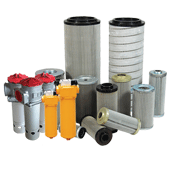
High Flow Filter Element
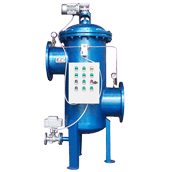
Automatic Back-flushing Filter
Self Cleaning Filters