Professional RO Equipment Retrofit & Upgrade Service for Industrial Factories
RO equipment retrofit/upgrade is systematic technical transformation for aging, low-efficiency original reverse osmosis systems to boost water yield, stabilize water quality and cut long-term operation costs without full equipment replacement. It is vital to evaluate and upgrade supporting liquid filter assemblies during retrofit planning to adapt adjusted system flow, stabilize inlet water quality and reduce accelerated membrane fouling caused by insufficient pretreatment capacity. Factory engineering teams can integrate matched core components including RO Pretreatment System (Multi-media Filtration) and Industrial RO Membrane Elements (8040 Type) into the upgrade scheme to realize seamless connection with existing infrastructure. Our retrofit service covers raw water condition audit, original system performance diagnosis, pretreatment optimization, power unit upgrading, membrane renewal, control logic reconstruction and post-upgrade full-load acceptance. Modular upgrade solutions suit small workshop RO skids and large multi-module centralized industrial water stations. Widely implemented for pharmaceutical, food, new energy, chemical and power manufacturers, this article elaborates complete retrofit workflow, reverse osmosis separation working principle, key upgraded technical parameters, engineering quality control standards, differentiated industrial retrofit scenarios and common upgrade design pitfalls to support your factory water treatment system upgrading investment planning.

1. Product & Retrofit Upgrade Service Introduction
RO equipment retrofit/upgrade refers to targeted modular technical transformation for aging industrial reverse osmosis water treatment units that suffer from decreased permeate output, unstable effluent conductivity, high energy consumption and frequent faults after years of continuous operation. Many manufacturing enterprises face growing pure water demand or stricter water quality standards. Complete replacement of the whole RO system requires massive capital investment and long construction downtime. Professional retrofit and upgrade makes full use of available original frames, pressure vessels, foundation and partial pipelines, realizing performance improvement with lower budget and shorter construction cycle. Our systematic RO equipment retrofit/upgrade service delivers customized upgrading schemes instead of one-size-fits-all renovation, solving multiple operation pain points of aging water stations.
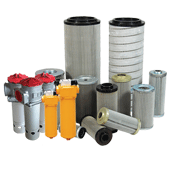
Pretreatment optimization is one of the most critical links in all RO retrofit projects. Liquid filter performance inspection and specification upgrading are essential contents of the transformation scheme. Aging, undersized filter cartridges cannot intercept suspended solids and colloids effectively. After system upgrading with higher flow or stricter water quality requirements, overloaded liquid filter will lead to rising inlet SDI, continuous membrane contamination and frequent chemical cleaning. Upgraded liquid filter forms stable first-stage protection for both retained and newly added RO membrane modules.
We formulate tiered retrofit & upgrade schemes according to factory production demands and original system conditions: Small and medium-sized factory conventional water lines adopt lightweight upgrading, mainly optimizing front-end filtration via upgraded RO Pretreatment System (Multi-media Filtration) and upgrading control system, retaining original pressure vessels to control overall investment. Large industrial park centralized water stations adopt comprehensive deep transformation, adding parallel racks loaded with standard Industrial RO Membrane Elements (8040 Type), upgrading high-pressure pumps and reconstructing PLC intelligent control to realize unified management of all membrane branches. For biopharmaceutical and semiconductor ultra-pure water production workshops, we add sanitary pipeline replacement and online water quality monitoring upgrading to meet strict industry compliance standards.
Many self-organized factory upgrades only focus on membrane replacement and ignore pretreatment matching and power balance adjustment, resulting in unbalanced hydraulic flow, limited improvement of water yield and rapid performance attenuation after transformation. Our RO equipment retrofit/upgrade includes 7 core engineering modules: on-site raw water sampling and original system performance testing, bottleneck factor diagnosis, liquid filter and pretreatment capacity optimization, pump power matching adjustment, membrane element evaluation and renewal scheme, automatic control program reconstruction, and post-upgrade continuous full-load debugging. After standardized transformation, the upgraded RO system can steadily supply qualified pure water for raw material blending, precision component cleaning, boiler feed water and circulating cooling replenishment. Modular RO equipment retrofit and upgrade has become a preferred low-cost solution for factories with aging water treatment facilities.

2. Reverse Osmosis Working Principle & Retrofit Design Logic
Reverse osmosis relies on pressure-driven physical membrane separation technology, which forms the core theoretical basis for all RO equipment retrofit/upgrade design. Under stable driving pressure higher than raw water natural osmotic pressure, water molecules penetrate semi-permeable polyamide RO membrane sheets, while dissolved salts, colloids and suspended pollutants are intercepted on the concentrate side to achieve raw water purification. All upgrading parameters must follow this separation mechanism; blindly replacing components without overall balance calculation will break the original hydraulic condition of the whole system.
The standard four-stage industrial RO workflow and corresponding retrofit design modules are as follows:
Stage1: Multi-stage precision pretreatment filtration retrofit module
Liquid filter and multimedia filter capacity recheck and upgrading is the first design procedure. Supporting product RO Pretreatment System (Multi-media Filtration) will be optimized to match new system flow, ensuring inlet SDI ≤5 under upgraded working conditions.
Stage2: Dosing regulation and pressurization unit retrofit module
Engineers verify whether original high-pressure pumps can adapt to upgraded operating load. Auxiliary pumps or frequency conversion transformation will be arranged if overload risk exists. Dosing tank volume and metering pump flow will be adjusted to match larger raw water processing capacity.
Stage3: Reverse osmosis deep purification separation main rack retrofit module
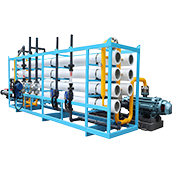
According to target water yield and water quality goals, we judge whether to renew or add membrane elements. Standard industrial projects adopt mass-produced Industrial RO Membrane Elements (8040 Type). Membrane rack layout, concentrate recovery ratio and pressure balance are fully optimized to avoid uneven flow distribution between original and new membrane modules.
Stage4: Intelligent monitoring and automatic flushing control retrofit module
Outdated relay control or basic PLC programs can be upgraded to intelligent automatic programs. The automatic flushing cycle will be adjusted to adapt to new system operating load, and remote monitoring function can be added for large-scale industrial water station transformation.
For two-stage ultra-pure water RO systems, we carry out independent balance calculation for primary and secondary RO branches separately in the retrofit scheme.

3. Core Technical Parameters After RO Equipment Retrofit & Upgrade
We set unified measurable design benchmarks for all transformation projects, and every upgrade scheme is designed to reach the following index standards:
Upgraded hourly pure water output: Increase 1–100m³/h according to customer demand; multiple parallel racks equipped with Industrial RO Membrane Elements (8040 Type) support large flow expansion.
Mandatory pretreatment control target after upgrading: Inlet SDI ≤5, guaranteed by flow-upgraded liquid filter and optimized RO Pretreatment System (Multi-media Filtration).
Optimized system water recovery rate: Maintain 60%~78% design recovery rate after transformation, prevent efficiency drop caused by unreasonable pipeline layout.
Effluent conductivity target: Maintain or upgrade original required water quality standard after retrofit.
Operating pressure balance: Control pressure difference between original and newly added membrane modules within safe range to avoid partial membrane overload.
Optional control upgrading configuration: Basic program optimization for small projects; full intelligent centralized monitoring for large industrial water stations.
Adaptable operating temperature: 5℃~40℃, original workshop foundation is fully utilized without large civil engineering reconstruction.
4. Engineering Quality Control Standards For RO Equipment Retrofit
All retrofit construction follows standardized industrial water treatment engineering acceptance specifications with multi-layer quality inspection:
Firstly, pre-transformation comprehensive survey: Complete raw water sampling test, original pipeline pressure test and equipment aging assessment before construction, lock all bottleneck links and confirm liquid filter upgrading specification matching.
Secondly, construction process supervision: New membrane rack assembly, pipeline reconnection, electrical transformation and control program debugging are implemented by professional water treatment engineers. All newly added pipelines undergo pressure tightness testing to eliminate leakage risks.
Thirdly, post-upgrade acceptance standard: The renovated whole RO system runs 72-hour continuous full-load test, record real-time flow, pressure and water quality data to verify all indicators meet upgrade design requirements. Updated operation manual will be delivered after acceptance.
Fourthly, long-term operation guidance: Remind customers to replace liquid filter cartridges regularly according to upgraded working conditions, adjust anti-scaling agent dosage and conduct periodic membrane maintenance to sustain stable operation of the renovated system.
5. Industrial Application Scenarios For RO Equipment Retrofit & Upgrade Service
Our modular upgrading service covers all manufacturing factories with aging reverse osmosis water stations, with differentiated transformation schemes for various industries:
Pharmaceutical & biopharmaceutical factory: GMP-compliant purified water RO system retrofit, upgrade sanitary pipeline and pretreatment liquid filter to satisfy hygiene standards.
Semiconductor & photovoltaic production base: Two-stage ultra-pure water RO system upgrading, adopt optimized RO Pretreatment System (Multi-media Filtration) multi-stage high-precision filtration design.
Food and beverage production plant: Medium-flow RO skid lightweight upgrade, properly renew and supplement Industrial RO Membrane Elements (8040 Type) based on original infrastructure.
Thermal power plant boiler feed water RO station: Large-flow centralized water station comprehensive transformation, optimize concentrate pipeline balance for high-hardness raw water.
General chemical & mechanical processing factory: Cost-effective basic upgrading to meet conventional industrial purified water incremental demand.
New energy lithium battery manufacturing workshop: High-standard ultra-pure water system retrofit, strictly control inlet pollutant load through upgraded liquid filter.
Raw water hardness, organic pollutant concentration and daily continuous production hours vary greatly in different regions. Our engineers adjust pretreatment configuration, membrane quantity and control functions after analyzing on-site water samples and operating data, balancing transformation investment and long-term stable water supply capacity.
Frequently Asked Questions
FAQ1
Q: What core engineering items are included in standard RO equipment retrofit & upgrade?
A: It includes raw water system performance diagnosis, liquid filter and RO Pretreatment System (Multi-media Filtration) upgrading, membrane element evaluation and renewal (Industrial RO Membrane Elements (8040 Type)), pump power matching adjustment, PLC control program reconstruction, pipeline hydraulic balance optimization and post-upgrade full-load acceptance.
FAQ2
Q: Can retrofit and upgrade adapt to small workshop RO skids and large industrial multi-rack centralized water stations?
A: Yes. We adopt tiered modular transformation logic. Lightweight upgrading for small single skids and comprehensive deep reconstruction for large industrial park multi-rack water stations, making full use of original available infrastructure.
FAQ3
Q: Why is liquid filter upgrading an indispensable part of RO equipment retrofit?
A: Liquid filter acts as the first pretreatment barrier. Undersized aging filters cannot bear the adjusted system flow after upgrading, leading to increased inlet SDI value and irreversible fouling of expensive RO membrane elements, which will generate high unplanned maintenance costs.
FAQ4
Q: Is it enough to only replace old RO membranes to complete equipment upgrading?
A: Definitely not. Simply renewing membranes without optimizing pretreatment, verifying pump power and balancing pipelines will lead to hydraulic disorder, unstable pressure, reduced water recovery rate and rapid re-contamination of new membrane elements.
FAQ5
Q: Will RO equipment retrofit cause long-term factory pure water supply shutdown?
A: We can design staggered construction schedules according to customer production plans. For multi-branch large water stations, segmented reconstruction can be carried out to minimize shutdown duration and reduce production losses.
FAQ6
Q: What maintenance adjustments need to be implemented after RO equipment retrofit and upgrade?
A: Replace liquid filter cartridges timely according to new rated flow standards; adjust anti-scaling agent dosage matching updated raw water processing volume; monitor membrane module pressure difference regularly; arrange chemical cleaning in a timely manner when indicators rise obviously.
Other products you may want to know about:
Self Cleaning Filters
Ultrafiltration equipment
High Flow Filter Element