Full-cycle Industrial RO Equipment Maintenance Service for Factory Water Systems
Industrial RO equipment maintenance delivers full-lifecycle systematic upkeep to keep industrial reverse osmosis water systems running stably and extend the service life of core membrane components. It is mandatory to inspect and replace aging liquid filter cartridges as the first-line pretreatment protection to cut down membrane fouling frequency and avoid premature performance degradation. Users can combine this maintenance service with matched supporting products including RO Chemical Cleaning Unit (CIP) and Industrial RO Membrane Elements (8040 Type) to form a complete long-term water station operation management scheme. Our full-cycle maintenance covers regular inspection, filter consumable replacement, on-site chemical cleaning, membrane performance testing, spare parts replacement and operation parameter optimization. Customized maintenance plans fit small workshop skid RO units and large high-flow industrial water stations. Widely served for pharmaceutical, food, new energy, chemical and electronics manufacturers, this article elaborates service composition, RO separation working principle, maintenance technical standards, quality control rules, applicable industrial scenarios and typical daily operation troubles to guide standardized long-term water treatment equipment management.
1. Product & Service Introduction
Industrial RO equipment maintenance is a full-lifecycle comprehensive maintenance service covering all operation stages of industrial reverse osmosis purified water systems. Most manufacturing enterprises only carry out emergency repair after equipment failure, lacking standardized regular maintenance, which leads to frequent membrane fouling, shortened membrane service life, unstable effluent conductivity and unplanned production shutdown losses. Our systematic maintenance service divides upkeep into daily routine maintenance, quarterly medium maintenance and annual deep overhaul, covering all functional links from pretreatment to post-treatment of RO systems.
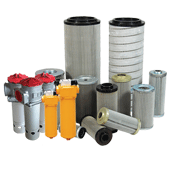
The core link of long-term stable operation lies in pretreatment protection. High-performance liquid filter serves as the primary barrier to intercept sediment, colloids and suspended particles in raw water. Timely replacement of filter cartridges during maintenance can greatly reduce the pollution load of RO membrane elements.
We provide tiered maintenance schemes according to equipment size and raw water conditions: for factories with medium pollution raw water, we match routine maintenance + periodic cleaning by supporting RO Chemical Cleaning Unit (CIP); for water stations with aging membrane performance, we add membrane performance testing and replace qualified Industrial RO Membrane Elements (8040 Type) during overhaul. For large industrial parks with multiple sets of high-flow RO systems, we formulate unified batch maintenance schedules to realize centralized inspection and unified parameter optimization of all water treatment units.
Many factory maintenance staff lack professional water treatment knowledge, leading to improper operation such as overdue filter replacement, unreasonable anti-scaling agent dosage and missing regular membrane flushing. Our industrial RO equipment maintenance service includes on-site engineer inspection, data recording, pollutant risk assessment, consumable replacement, circulating chemical cleaning, fault troubleshooting and personalized operation training. After standardized maintenance, the reverse osmosis system can continuously output qualified purified water for raw material blending, workpiece cleaning, boiler feed water and circulating cooling replenishment. This full-cycle maintenance service effectively reduces comprehensive water station operation costs and has become a necessary supporting service for enterprises with long-term running industrial RO water systems.

2. Working Principle of RO System & Maintenance Protection Logic
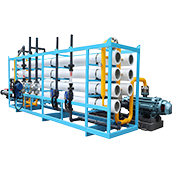
Reverse osmosis adopts pressure-driven physical membrane separation technology. Under external driving pressure higher than raw water natural osmotic pressure, water molecules penetrate semi-permeable polyamide RO membranes, while dissolved salts, heavy metal ions, colloids, silica and suspended contaminants are trapped on the concentrated water side to complete raw water deep desalination.
Long-term operation will inevitably cause pollutants to deposit on the membrane surface. The core goal of industrial RO equipment maintenance is to delay fouling speed, remove accumulated pollutants in time and protect the integrity of membrane separation layer. The complete industrial RO workflow and corresponding maintenance points are divided into four core stages:
Stage1: Multi-stage precision pretreatment filtration
Raw water flows through multimedia filter, activated carbon filter and liquid filter. Regular inspection and replacement of liquid filter cartridges is the top priority of maintenance work, which controls inflow SDI value and avoids particulate scratch and fouling of RO membranes.
Stage2: Dosing regulation and pressurization
During maintenance, engineers check metering pump operation, residual dosing agent concentration and pipeline blockage, calibrate anti-scaling agent and biocide dosage to prevent scaling and microbial reproduction on membrane surfaces.
Stage3: Reverse osmosis deep purification separation
Engineers test membrane flux and effluent conductivity during overhaul. For membranes with severe reversible fouling, we use RO Chemical Cleaning Unit (CIP) to complete closed-loop circulation cleaning; for membranes with irreversible performance attenuation, we recommend replacing standard Industrial RO Membrane Elements (8040 Type).
Stage4: Intelligent monitoring and automatic flushing
Maintenance includes calibration of conductivity sensors, pressure transmitters and flow meters, optimizing PLC automatic flushing cycle to slow down pollutant accumulation on membrane surfaces.
For two-stage reverse osmosis and EDI ultra-pure water supporting systems, we provide segmented targeted maintenance schemes for front and rear stage equipment respectively.

3. Core Technical Standards of Industrial RO Equipment Maintenance
We formulate personalized maintenance cycles and technical indicators based on factory daily water output, raw water quality and production continuous operation requirements. Universal maintenance technical standards are as follows:
Classification of maintenance grades: Daily routine inspection, quarterly medium maintenance, annual deep overhaul
Consumable replacement standard: Liquid filter cartridges replaced when pressure difference exceeds 0.1MPa; activated carbon filter replaced every 6–12 months
Cleaning cycle standard: Online chemical cleaning every 6–12 months by using RO Chemical Cleaning Unit (CIP); offline deep cleaning for severe fouling
Membrane performance inspection index: Single-pass salt rejection rate ≥97%, permeate flux no less than 85% of design value, otherwise replace Industrial RO Membrane Elements (8040 Type)
Allowable inlet water index after maintenance: Turbidity ≤1 NTU, SDI ≤5, residual chlorine <0.1mg/L
Working environment maintenance requirement: Ambient temperature maintained at 5℃ ~ 40℃, pipeline anti-freezing protection in low temperature seasons
Control system maintenance: Calibrate online monitoring instruments every half year, check high-low pressure protection and automatic flushing functions
4. Service Quality Control Standard of RO Equipment Maintenance
All maintenance operations strictly comply with industrial reverse osmosis water treatment equipment maintenance specifications.
Firstly, pre-maintenance data collection: Engineers record long-term operating pressure, conductivity and flow data to judge fouling degree and hidden equipment faults, avoid blind disassembly and cleaning.
Secondly, standardized construction operation: During filter replacement, chemical cleaning and membrane inspection, engineers follow uniform operation procedures to prevent secondary damage to pipelines, pumps and membrane elements. Supporting liquid filter adopts high dirt-holding filter media to guarantee long-term pretreatment protection after maintenance. We provide complete maintenance inspection reports after each service.
Thirdly, post-maintenance long-term technical guidance: We deliver targeted daily operation manuals to customers, remind staff of regular filter replacement and dosing adjustment, effectively extend the service interval of deep overhaul and reduce membrane replacement frequency.

5. Application Fields of Industrial RO Equipment Maintenance Service
Our full-cycle RO maintenance service covers all industrial sectors equipped with independent water purification stations:
Pharmaceutical & biopharmaceutical factory: Regular maintenance for GMP-compliant purified water reverse osmosis system
New energy production base: Long-term upkeep for photovoltaic and lithium battery ultra-pure water equipment
Food and beverage production line: Routine maintenance of process water and cleaning water RO units
Fine chemical plant: Overhaul service for raw material synthesis and reagent preparation water equipment
Small and medium manufacturing workshop: Quarterly medium maintenance matched with RO Chemical Cleaning Unit (CIP)
Large industrial centralized water station: Annual deep overhaul with batch inspection and replacement of Industrial RO Membrane Elements (8040 Type)
Different raw water hardness, organic content and operating load lead to different fouling speeds. Our engineers adjust maintenance frequency and project focus after analyzing local raw water samples, to fully match uninterrupted production demands of each factory.
Frequently Asked Questions
FAQ1
Q: What items are contained in full-cycle industrial RO equipment maintenance service?
A: It includes daily running inspection, liquid filter cartridge replacement, dosing system calibration, online chemical cleaning with RO Chemical Cleaning Unit (CIP), membrane performance testing, instrument calibration, spare parts inspection and operation parameter optimization, and we provide membrane replacement scheme of Industrial RO Membrane Elements (8040 Type) for aging modules.
FAQ2
Q: Can this maintenance service adapt to small skid RO units and large high-flow industrial water stations?
A: Yes. We set tiered maintenance plans according to equipment water yield and raw water pollution degree, which are compatible with all sizes of industrial reverse osmosis equipment.
FAQ3
Q: Why is liquid filter replacement the core basic project in every RO maintenance cycle?
A: Liquid filter intercepts sediment and colloidal particles in raw water. If overdue filter cartridges lose interception capacity, a large number of impurities directly impact RO membrane surfaces, causing scratch, rapid fouling and irreversible performance attenuation, greatly shortening membrane service life.
FAQ4
Q: How to judge whether RO membranes need to be replaced during maintenance?
A: After complete chemical cleaning by RO Chemical Cleaning Unit (CIP), if permeate flux cannot recover to more than 85% of design value and effluent conductivity still exceeds standard, it is necessary to replace new Industrial RO Membrane Elements (8040 Type).
FAQ5
Q: What risks will factories face without regular industrial RO equipment maintenance?
A: Long-term lack of maintenance will lead to frequent membrane fouling, sharp drop of water yield, unqualified process water, frequent equipment shutdown alarms, and finally advance expensive membrane replacement cost and cause production stagnation losses.
FAQ6
Q: What simple daily maintenance work can factory operators carry out independently between professional maintenance cycles?
A: Regularly observe liquid filter pressure difference and replace cartridges timely; keep stable anti-scaling agent dosage; ensure automatic membrane flushing function is normally turned on; record daily conductivity and pressure data; avoid long-term equipment shutdown without protective liquid filling.
Other products you may want to know about:
Ultrafiltration equipment
RO membrane element
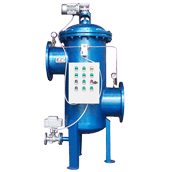
Self Cleaning Filters