Reverse Osmosis Unit for Chemical Plant Process Water Treatment
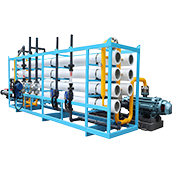
Reverse osmosis unit for chemical plants is customized industrial membrane equipment to produce process pure water and realize wastewater recycling for chemical factories. It is equipped with high-precision liquid filter as key pretreatment module to intercept suspended pollutants and protect RO membrane elements from fouling. Users can reference professional resources such as Decoding Reverse Osmosis: Water Purification and Reverse Osmosis Systems-Water Filters to optimize the whole water treatment flow. This system effectively removes soluble salts, residual chemical agents, heavy metals and organic contaminants, supplying stable qualified water for synthesis, dilution and cooling procedures. Suitable for fine chemical, inorganic chemical and new material manufacturing factories, this article covers product overview, working principle, technical indicators, quality standards, application scenarios and typical operation FAQs to support your chemical plant water treatment project design.

1. Product Introduction
Reverse osmosis unit for chemical plants is heavy-duty anti-fouling industrial water treatment system developed to match the complex water quality characteristics of chemical industry. Water used inside chemical plants faces multiple challenges: raw groundwater or municipal water contains hardness and salts; production wastewater carries residual solvents, colloids and trace heavy metals. Ordinary water purification equipment easily suffers scaling and biological fouling under such complicated conditions, which leads to unstable effluent quality and interrupts continuous chemical production.
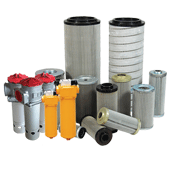
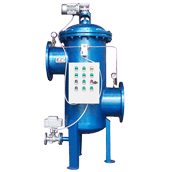
This reverse osmosis unit adopts skid-mounted modular integrated design, with anti-corrosion pipelines and pressure vessels to adapt corrosive workshop environment. Front pretreatment section installs high-performance liquid filter to trap sediment, chemical precipitates and fine particles, avoiding irreversible membrane contamination.
To master system configuration and operation rules, you can browse related articles: Unlocking the Power of RO for Water Treatment and A Comprehensive Dive into Reverse Osmosis.
The unit has two core application directions in chemical factories. First, it produces low-conductivity pure water as process water for chemical synthesis, reagent preparation and product crystallization, eliminating impurity interference to chemical reactions. Second, it treats workshop rinsing wastewater and circulating cooling blowdown water to realize water reuse, lowering freshwater procurement costs and reducing wastewater discharge pressure. Different from standard pure water RO machines, reverse osmosis units for chemical plants adopt special anti-fouling membrane elements and support 24-hour uninterrupted running. For large chemical industrial parks, multiple sets of units can operate in parallel to expand water production capacity, matching large-scale continuous production demands.
2. Working Principle of Reverse Osmosis Unit For Chemical Plants
Reverse osmosis relies on pressure-driven physical membrane separation. When applied pressure exceeds the natural osmotic pressure of water, water molecules penetrate semi-permeable RO membranes. Soluble salts, heavy metal ions, macromolecular organics and suspended pollutants are trapped on the concentrate side, achieving separation between reusable clean water and high-salinity concentrated wastewater.
The complete chemical plant water treatment workflow is divided into four core stages:
Stage1: Multi-stage pretreatment filtration
Raw water sequentially passes through media filter, activated carbon filter and liquid filter. This step cuts turbidity and SDI value, removes particulate pollutants and partial organic residues, providing qualified inflow for RO main unit.
Stage2: Dosing regulation and pressurization
Automatic dosing system adds scale inhibitor and biocide to suppress membrane scaling and microbial growth. Pretreated water is boosted by anti-corrosion high-pressure pump to reach the rated working pressure of RO membranes.
Stage3: Reverse osmosis deep purification separation
Pressurized water enters membrane pressure vessels. Anti-fouling RO membranes intercept pollutants, and water is split into two streams: qualified permeate reusable water and concentrated wastewater enriched with salts and chemical residues.
Stage4: Intelligent monitoring and automatic flushing
PLC control system continuously monitors conductivity, operating pressure and tank liquid level. Automatic cross-flow flushing activates during shutdown to wash pollutants attached on membrane surface. Operators can set operation cycles according to factory production schedule.
If ultra-high purity water is required for fine chemical synthesis, two-stage reverse osmosis layout can be adopted to further improve ion removal efficiency.

3. Core Technical Parameters
We provide personalized customized design based on factory daily water output, raw water quality and process water standards. Standard technical indicators are listed below:
Water production capacity: 0.5m³/h ~ 100m³/h, customizable for small workshops and large chemical parks
Single-pass salt rejection rate: ≥97%, heavy metal & organic pollutant interception rate ≥98%
System water recovery rate: 65% ~ 80%, adjustable according to raw water TDS
Permeate water conductivity: ≤5μS/cm (adjustable to meet different chemical process requirements)
Inlet requirements after pretreatment: Turbidity ≤1 NTU, SDI ≤5, residual chlorine <0.1mg/L
Working temperature: 5℃ ~ 40℃
Control mode: Full-automatic PLC intelligent control, online conductivity monitoring, high/low pressure protection, automatic membrane flushing
Material selection: FRP / 316L stainless steel membrane housing; UPVC or stainless steel anti-corrosion pipeline; chemical dedicated anti-fouling RO membrane elements
4. Product Quality Standard
All reverse osmosis units for chemical plants comply with industrial water treatment equipment manufacturing specifications.
Firstly, core RO membrane elements adopt high anti-fouling grade membranes suitable for high-salinity and organically polluted water. Supporting liquid filter uses high dirt-holding filter media to guarantee stable pretreatment performance. High-pressure pumps, sensors and valves select industrial anti-corrosion brands designed for long-time continuous operation.
Secondly, each complete unit passes hydraulic pressure test and 72-hour continuous running test before shipment. Skid base is coated with heavy-duty anti-rust anti-corrosion paint to resist chemical volatile gas in workshops. We supply complete P&ID flow diagrams, installation guidelines and operation manuals.
You can learn systematic maintenance experience via the article Revolutionary Advancements in Reverse Osmosis.
Thirdly, our technical team provides remote guidance and optional on-site commissioning service. Standardized maintenance plans effectively slow down membrane fouling, extend membrane service life and prevent unexpected shutdown affecting chemical production.

5. Application Fields of Reverse Osmosis Unit For Chemical Plants
This dedicated RO water treatment system is widely applied across chemical sub-sectors:
Fine chemical factories: Pure water supply for organic synthesis, pharmaceutical intermediate, dye and additive production
Inorganic chemical enterprises: Raw water purification for salt, acid and alkali manufacturing
New material factories: Process water for battery materials, silicon material and polymer production
Chemical workshop circulating cooling water treatment and blowdown water reuse
Laboratory and pilot production line small-scale pure water preparation
Old chemical plant environmental upgrading and wastewater recycling reconstruction
Water quality varies greatly among different chemical production processes. Our engineers optimize pretreatment scheme and membrane configuration after analyzing on-site water samples, to satisfy local water usage and emission standards.
Frequently Asked Questions
FAQ1
Q: Why cannot ordinary RO equipment replace dedicated reverse osmosis unit for chemical plants?
A: Chemical raw water contains residual chemical agents, organics and high concentration salts. Ordinary RO membranes are vulnerable to organic fouling and scaling. Chemical-grade RO unit uses anti-fouling, anti-corrosion customized configuration to ensure long-term stable operation.
FAQ2
Q: Can this reverse osmosis unit treat chemical wastewater for recycling?
A: Yes. It can purify workshop rinsing wastewater and cooling blowdown water. Treated permeate water can be reused for equipment cooling, site cleaning and process dilution, cutting freshwater consumption.
FAQ3
Q: What function does liquid filter perform inside the system?
A: Liquid filter intercepts chemical precipitates, suspended dust and colloids in raw water. It avoids rapid fouling of expensive RO membrane elements, reduces chemical cleaning frequency and extends overall equipment service life.
FAQ4
Q: Can the reverse osmosis unit run 24 hours continuously matching chemical production lines?
A: Yes. The whole system is optimized for non-stop industrial operation. Automatic cross-flow flushing function is reserved to prevent pollutant accumulation, adapting to continuous production rhythm of chemical factories.
FAQ5
Q: Is two-stage reverse osmosis necessary for all chemical projects?
A: It depends on process water standard. Single-stage RO satisfies general cooling and dilution water demands. Two-stage configuration is recommended for fine chemical synthesis requiring ultra-low conductivity pure water.
FAQ6
Q: What regular maintenance tasks should be arranged?
A: Regularly replace liquid filter cartridges; inspect dosing system; enable automatic membrane flushing; monitor inlet and outlet water quality daily; implement chemical cleaning once flow rate and effluent quality decline caused by membrane fouling.
Other products you may want to know about:
Ultrafiltration equipment
PP Melt Blown Filter Cartridge
Self Cleaning Filters