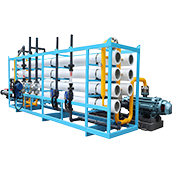
In the industrial sector, water is an indispensable resource—powering production processes, cooling equipment, cleaning machinery, and ensuring product quality. However, industrial feed water often contains high levels of dissolved salts, heavy metals, organic pollutants, silica, and suspended solids, which can damage equipment, reduce production efficiency, and violate environmental and industry regulations. To address these challenges, the RO Membrane for Industrial Use has become a core component of modern industrial water treatment systems, delivering reliable, deep purification that meets the rigorous demands of industrial operations.
Unlike commercial or residential RO membranes, industrial-grade RO membranes are engineered to withstand harsh operating conditions, handle large water volumes, and maintain stable performance under continuous, high-load operation. Our RO Membrane for Industrial Use is crafted with advanced thin-film composite (TFC) technology and reinforced structural design, optimized to tackle the unique water purification needs of various industrial sectors. This article provides a comprehensive overview of our industrial RO membrane, including product introduction, key features, working principle, application scenarios, technical data, maintenance guidelines, frequently asked questions, and concluding insights—helping industrial operators make informed decisions to enhance water treatment efficiency and reduce operational costs.

Product Introduction
Our RO Membrane for Industrial Use is a high-pressure, high-efficiency reverse osmosis element specifically designed for heavy-duty industrial water treatment. Engineered with premium TFC membrane material—renowned for its exceptional contaminant rejection and durability—this membrane is built to handle the high flow rates, high salinity, and complex feed water conditions common in industrial environments. It is available in standard industrial sizes (4040 and 8040), the most widely adopted dimensions in industrial RO systems, ensuring seamless compatibility with existing equipment and easy integration into new water treatment setups.
Unlike commercial membranes that prioritize cost-effectiveness for light-duty use, our industrial RO membrane focuses on robustness, long-term stability, and high purification efficiency. It is designed to operate continuously for 24/7 in demanding industrial settings, such as manufacturing plants, power stations, chemical facilities, and wastewater treatment plants. The membrane’s reinforced structure resists mechanical stress, chemical degradation, and fouling—common issues in industrial water treatment—ensuring consistent performance and reducing the need for frequent replacements, which ultimately lowers long-term operational costs.
Whether treating groundwater, surface water, industrial wastewater, or brackish water, our RO Membrane for Industrial Use delivers reliable purification, removing up to 99.5% of dissolved salts, 99.9% of bacteria, 99% of heavy metals, and 98% of silica. It produces high-quality industrial process water, boiler feed water, and purified water that meets strict industry standards, protecting equipment from scaling, corrosion, and premature failure.

Key Features and Advantages
Our RO Membrane for Industrial Use stands out in the market due to its industrial-grade design, advanced technology, and focus on solving the unique pain points of industrial water treatment. Below are its core features and advantages:
1. Exceptional Purification Efficiency & Stable Performance
Equipped with advanced TFC membrane technology, our industrial RO membrane delivers superior contaminant rejection rates: up to 99.5% for dissolved salts, 99.9% for bacteria and pathogens, 99% for heavy metals (including lead, cadmium, arsenic, and mercury), and 98% for silica. This ensures that the purified water meets the strict requirements of industrial processes, such as boiler feed water (low hardness and salinity) and electronic manufacturing (ultra-pure water). The membrane’s uniform pore size distribution ensures stable water yield and consistent water quality, even as feed water conditions fluctuate—critical for industrial operations that rely on consistent water quality to maintain production standards.
2. High Pressure Resistance & Heavy-Duty Design
Industrial water treatment often requires higher operating pressure to overcome the high osmotic pressure of contaminated feed water. Our RO Membrane for Industrial Use is engineered to withstand operating pressures of 15–30 bar, making it suitable for treating high-salinity water (such as brackish water and industrial wastewater) that standard commercial membranes cannot handle. The membrane’s reinforced spiral-wound design resists deformation and mechanical damage under high pressure, ensuring long-term stability in continuous industrial operation.
3. Strong Anti-Fouling & Anti-Oxidation Performance
Industrial feed water typically contains high levels of organic matter, colloids, suspended solids, and scale-forming ions, which can cause severe membrane fouling and reduce performance over time. Our industrial RO membrane features an anti-fouling surface modification that minimizes the adsorption of pollutants, reducing the frequency of cleaning and extending the membrane’s service life. Additionally, the TFC membrane material is resistant to oxidation (when used with proper pre-treatment), protecting against damage from chlorine and other oxidizing agents commonly present in industrial feed water.
4. High Water Yield & Energy Efficiency
Designed for industrial-scale water demand, our membrane offers high water yield, with flow rates ranging from 12–40 m³/d (depending on the size), ensuring that it can keep up with the large water volumes required by industrial processes. Despite its high-pressure operation, the membrane’s optimized design reduces energy consumption by 25–35% compared to traditional industrial RO membranes, lowering utility costs for industrial operators without compromising on purification performance.
5. Durable Construction & Long Service Life
Built to withstand the rigors of industrial operation, our RO Membrane for Industrial Use features a robust structure with reinforced materials that resist chemical degradation, mechanical stress, and temperature fluctuations. The TFC membrane material is highly stable, with excellent resistance to acids, alkalis, and organic solvents (when used with proper pre-treatment), ensuring a service life of 3–5 years under normal operating conditions. This long lifespan reduces the frequency of membrane replacements, minimizing downtime and lowering long-term operational costs.
6. Wide Compatibility & Easy Installation
Our RO Membrane for Industrial Use follows international standard sizes (4040 and 8040), making it fully compatible with most industrial RO system housings and equipment. Industrial operators can easily replace their existing membrane with our product without modifying their system, saving time and labor costs. It is suitable for both new system installations and retrofits, making it a versatile solution for various industrial sectors.
7. Versatile Adaptability to Industrial Feed Water Conditions
The membrane performs reliably across a wide range of industrial feed water conditions, with a pH range of 2–11 and a temperature range of 5–45℃. This adaptability makes it suitable for use in diverse industrial environments, from chemical plants with acidic feed water to power stations with high-temperature cooling water. It can handle feed water with SDI (Silt Density Index) up to 5 and turbidity up to 1 NTU, reducing the need for extensive pre-treatment and making it a flexible solution for different industrial applications.
Working Principle
Our RO Membrane for Industrial Use operates on the principle of reverse osmosis (RO), a proven water purification technology that uses pressure to separate water molecules from dissolved solids, bacteria, and other contaminants. Reverse osmosis works by reversing the natural process of osmosis, where water molecules move from a low-concentration solution (pure water) to a high-concentration solution (contaminated water) through a semi-permeable membrane.
For industrial applications, our membrane uses a semi-permeable TFC layer that allows water molecules to pass through while blocking larger molecules and ions. When feed water is pumped into the RO system under high pressure (15–30 bar), water molecules penetrate the membrane’s ultra-fine pores to form purified water (permeate), while dissolved salts, heavy metals, bacteria, organic pollutants, silica, and other impurities are intercepted by the membrane and discharged as concentrated water (brine).
The key to the membrane’s industrial-grade efficiency lies in its TFC material and spiral-wound design. The TFC layer is engineered to have high water permeability and selective rejection capabilities, allowing water molecules to pass through more easily under high pressure while maintaining a high rejection rate for contaminants. The spiral-wound design maximizes the surface area available for filtration, ensuring high water yield and consistent performance—critical for meeting the large-volume water needs of industrial operations.
Application Scenarios
Our RO Membrane for Industrial Use is designed to meet the diverse water purification needs of various industrial sectors. Its robustness, high efficiency, and adaptability make it suitable for a wide range of industrial applications, including:
1. Power Generation Industry
Power plants (thermal, nuclear, and renewable) require large volumes of high-quality water for boiler feed, cooling systems, and turbine cleaning. Our industrial RO membrane delivers purified water with low salinity and hardness, preventing scale formation and corrosion in boilers and other critical equipment, ensuring efficient power generation and extending equipment lifespan.
2. Chemical & Petrochemical Industry
Chemical and petrochemical plants require ultra-pure water for process use, product formulation, and equipment cleaning. Our RO membrane removes dissolved salts, heavy metals, and organic pollutants from feed water, ensuring that chemical processes are not contaminated and that products meet quality standards. It is also suitable for treating industrial wastewater from chemical plants, reducing environmental impact and ensuring compliance with discharge regulations.
3. Manufacturing Industry
Manufacturing facilities (automotive, electronics, textile, and packaging) require purified water for production processes, such as surface cleaning, coating, and material processing. Our industrial RO membrane delivers consistent, high-quality water that prevents product defects and equipment damage, enhancing production efficiency and product quality. It is particularly suitable for electronic manufacturing, where ultra-pure water is essential for circuit board production and component cleaning.
4. Food & Beverage Industry
Food and beverage manufacturers require clean, safe water for product formulation, cleaning, and packaging. Our RO Membrane for Industrial Use removes contaminants that can affect product taste, odor, and safety, ensuring compliance with food safety regulations. It is suitable for use in bottling plants, breweries, dairy facilities, and processed food factories, delivering reliable purification for large-scale production.
5. Wastewater Treatment & Reuse
Industrial wastewater often contains high levels of contaminants, making it unsuitable for direct discharge or reuse. Our industrial RO membrane treats wastewater by removing dissolved salts, heavy metals, and organic pollutants, converting it into reusable process water. This reduces water waste, lowers water procurement costs, and helps industrial facilities achieve sustainability goals.
6. Mining & Metallurgy Industry
Mining and metallurgy operations generate large volumes of contaminated water containing heavy metals, dissolved salts, and suspended solids. Our RO membrane removes these contaminants, providing clean water for mining operations, equipment cooling, and worker use. It also helps reduce environmental pollution by treating wastewater before discharge.
7. Pharmaceutical Industry
Pharmaceutical manufacturers require ultra-pure water for drug formulation, equipment cleaning, and laboratory use. Our industrial RO membrane delivers water that meets the strict standards of the pharmaceutical industry, removing bacteria, heavy metals, and organic pollutants that could compromise drug quality and safety.
Technical Data
Parameter | Specification Value | Remarks |
|---|
Membrane Material | Thin-Film Composite (TFC) | Industrial-grade, anti-fouling, anti-oxidation |
Operating Pressure | 15–30 bar | High pressure for industrial high-salinity feed water |
Desalination Rate | 98%–99.5% | Stable rejection of dissolved salts and minerals |
Water Yield | 12–40 m³/d | Varies by size (4040: 12–18 m³/d; 8040: 32–40 m³/d) |
Feed Water Temperature Range | 5–45℃ | Optimal temperature: 25℃; stable performance at high temperatures |
Feed Water pH Range | 2–11 | Adaptable to acidic and alkaline industrial feed water |
Maximum Feed Water SDI | ≤5 | Ensures anti-fouling performance in industrial environments |
Maximum Feed Water Turbidity | ≤1 NTU | Reduces membrane fouling from suspended solids |
Heavy Metal Removal Rate | ≥99% | Including lead, cadmium, arsenic, mercury, etc. |
Bacteria Removal Rate | ≥99.9% | Inactivates and intercepts coliform, E. coli, and other pathogens |
Silica Removal Rate | ≥98% | Suitable for industrial water with high silica content (e.g., power plants) |
Service Life | 3–5 years | Under normal industrial operation and proper maintenance |
Standard Sizes | 4040, 8040 | Compatible with most industrial RO systems |
Maintenance Guidelines
Proper maintenance is critical to ensuring the long-term performance and service life of our RO Membrane for Industrial Use. Industrial water treatment systems operate under high load and harsh conditions, so following these guidelines will help maximize the membrane’s efficiency, reduce downtime, and lower maintenance costs:
1. Implement Comprehensive Pre-Treatment
Industrial feed water is often heavily contaminated, so pre-treatment is essential to protect the RO membrane. Equip the system with qualified pre-treatment equipment, including sediment filters (to remove large particles), activated carbon filters (to remove chlorine and organic matter), softeners (to reduce scale-forming ions), and ultrafiltration (UF) systems (for colloidal and suspended solids removal). Regularly replace pre-filter elements (every 2–4 months) to ensure the pre-treatment system is functioning effectively, reducing the SDI and turbidity of feed water and preventing membrane fouling.
2. Strictly Control Operating Parameters
Operate the membrane within the recommended parameters: operating pressure (15–30 bar), temperature (5–45℃), and pH (2–11). Avoid exceeding these limits, as high pressure can damage the membrane structure, extreme temperatures can reduce performance, and strong acids/alkalis can degrade the TFC material. Install monitoring systems to track pressure, water yield, and water quality in real time, and adjust parameters as needed to maintain optimal performance.
3. Regular Flushing & Cleaning
Flush the membrane with low-pressure feed water for 15–20 minutes every day to remove contaminants that have accumulated on the membrane surface. This routine flushing prevents the buildup of scale, organic matter, and bacteria, reducing the need for chemical cleaning. For chemical cleaning, perform it when water yield decreases by 10–15% or pressure difference increases significantly. Use only industrial-grade RO cleaning agents: acidic cleaners for scale (e.g., calcium carbonate) and alkaline cleaners for organic or biological fouling. Follow the manufacturer’s instructions for dilution ratios and cleaning time, and rinse the membrane thoroughly after cleaning to remove residual cleaning agent.
4. Shutdown & Storage Maintenance
If the industrial RO system is shut down for a short period (less than 3 days), keep the membrane moist by flushing it daily. For long-term shutdowns (more than 7 days), soak the membrane in a protective solution (1–2% sodium bisulfite) to prevent bacterial growth and membrane drying. Seal the membrane element and store it in a cool, dry environment, away from direct sunlight and freezing temperatures. Before restarting the system, flush the membrane thoroughly to remove the protective solution.
5. Regular Inspection & Monitoring
Establish a regular inspection schedule (weekly or monthly) to monitor the membrane’s performance. Track key parameters such as water yield, desalination rate, pressure, and water quality (using a TDS meter). Record these data points to identify trends and detect potential issues early, such as pre-treatment failure or membrane fouling. Address any abnormalities promptly to avoid further damage to the membrane or the RO system.
6. Avoid Oxidizing Agents
The TFC membrane material is sensitive to oxidizing agents such as chlorine, ozone, and hydrogen peroxide—common in industrial water treatment. Ensure that the pre-treatment system effectively removes these oxidizing agents (using activated carbon filters or dechlorination agents) to prevent membrane oxidation and damage. Do not use oxidizing disinfectants to clean the membrane, as this will degrade the TFC layer and reduce its performance.
8 Frequently Asked Questions (FAQ)
Q1: What is the difference between RO membrane for industrial use and commercial RO membrane?
A: The main differences lie in pressure resistance, durability, and water yield. Industrial RO membranes are designed to withstand higher operating pressure (15–30 bar) for high-salinity feed water, have a more robust construction for continuous heavy-duty operation, and offer higher water yield (12–40 m³/d) to meet industrial-scale demand. Commercial membranes operate at lower pressure (10–15 bar) and are designed for light-duty use, with lower water yield and less durability.
Q2: Can this RO membrane for industrial use remove heavy metals and silica from industrial feed water?
A: Yes. Our industrial RO membrane has a heavy metal removal rate of ≥99% (including lead, cadmium, arsenic, and mercury) and a silica removal rate of ≥98%. This makes it suitable for industrial applications where heavy metals and silica are common contaminants, such as power plants, chemical plants, and mining operations.
Q3: Is this membrane compatible with my existing industrial RO system?
A: Yes. Our RO Membrane for Industrial Use is available in standard 4040 and 8040 sizes, which are the most common sizes for industrial RO systems. It is fully compatible with most existing system housings and equipment, so you can directly replace your old membrane without modifying the system.
Q4: How long does the RO membrane for industrial use last, and how can I extend its service life?
A: Under normal industrial operation and proper maintenance, the membrane has a service life of 3–5 years. To extend its life, implement comprehensive pre-treatment, control operating parameters, perform regular flushing and chemical cleaning, avoid oxidizing agents, and follow the shutdown maintenance guidelines.
Q5: What operating pressure is required for this industrial RO membrane?
A: The membrane operates efficiently at a high pressure of 15–30 bar. This pressure is necessary to overcome the high osmotic pressure of industrial feed water (high salinity, heavy contamination) and ensure effective purification.
Q6: How often do I need to clean the industrial RO membrane?
A: The cleaning frequency depends on feed water quality and operating conditions. For most industrial applications, chemical cleaning is recommended every 3–6 months. If the feed water is heavily contaminated (high organic content, high turbidity), you may need to clean the membrane every 1–3 months. Clean the membrane when water yield decreases by 10–15% or pressure difference increases significantly.
Q7: Can this membrane be used for treating industrial wastewater?
A: Yes. Our RO Membrane for Industrial Use is designed to treat industrial wastewater containing high levels of dissolved salts, heavy metals, organic pollutants, and suspended solids. It converts wastewater into reusable process water, helping industrial facilities reduce water waste and achieve sustainability goals.
Q8: Is the membrane easy to install and maintain in industrial settings?
A: Yes. The membrane is designed for easy installation—simply insert it into the existing industrial RO system housing, no special tools or modifications are needed. Maintenance is straightforward: regular flushing, timely chemical cleaning, pre-filter replacement, and routine inspection. Our maintenance guidelines provide step-by-step instructions tailored to industrial operating conditions.
Conclusion
In the industrial sector, reliable water purification is essential for operational efficiency, equipment protection, product quality, and regulatory compliance. Our RO Membrane for Industrial Use is engineered to meet the rigorous demands of industrial water treatment, delivering high-efficiency purification, durability, and energy savings that industrial operators need.
With advanced TFC technology, high pressure resistance, strong anti-fouling performance, and wide adaptability, this membrane ensures that industrial facilities have a steady supply of high-quality water for process use, boiler feed, and wastewater reuse. Its compatibility with existing systems, easy installation, and low maintenance requirements make it a cost-effective solution for various industrial sectors, from power generation and chemical manufacturing to food processing and mining.
We understand that every industrial facility has unique water purification needs, which is why our RO Membrane for Industrial Use is designed to be versatile, reliable, and durable. Backed by strict quality control and comprehensive technical support, it is a trusted choice for industrial operators looking to enhance water treatment efficiency, reduce operational costs, and achieve sustainability goals.
Choosing our RO Membrane for Industrial Use means choosing a long-term, high-performance water purification solution that can withstand the harsh conditions of industrial operation. Invest in our industrial RO membrane today and experience the difference in water quality, operational efficiency, and cost savings—helping your business thrive in a competitive industrial landscape.