High Flow Filtration for Industrial UF Pretreatment Systems
High flow filtration is a high-capacity pretreatment process widely used before industrial ultrafiltration equipment. This liquid filter removes sediment, colloids and suspended solids to protect UF membrane modules from fouling and mechanical damage. With fewer filter cartridges and compact footprint, high flow filtration cuts maintenance work and stabilizes the whole water treatment system operation.
Product Introduction
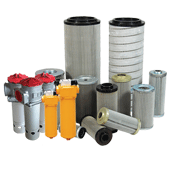
High flow filtration is a modern industrial liquid pretreatment technology designed to deliver large water throughput with fewer filter cartridges, commonly deployed as the front protection stage for ultrafiltration equipment. In traditional water pretreatment, dozens of small filter cartridges are required to meet the required flow rate, which brings large equipment footprint, heavy replacement workload and high operational cost. High flow filtration solves these pain points by adopting large-diameter pleated filter cartridges. One single high flow filter cartridge can replace dozens of conventional 2.5-inch small filter elements, reducing the total number of filter housings and consumables.
The core consumable of high flow filtration is large-size pleated filter cartridges. When building or upgrading your ultrafiltration pretreatment skid, you can select Pall Ultipleat High Flow Filter HFU640UY045H equivalent replacement cartridges for multi-stage filtration design. These filter cartridges use reinforced polypropylene pleated media, with a robust inner support core and outer protective cage, preventing filter medium deformation under rising differential pressure. An integrated top lifting handle enables fast and safe cartridge installation and removal, avoiding secondary liquid contamination during maintenance.
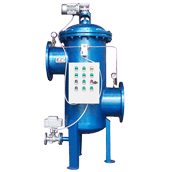
High flow filtration systems are usually assembled with stainless steel or carbon steel filter vessels. The whole filtration unit features low pressure drop, high dirt holding capacity and stable performance under continuous operation. Compared with conventional multi-small-cartridge filters, high flow filtration greatly reduces downtime for filter replacement, cuts labor cost and lowers the overall operational expenditure of the ultrafiltration water treatment system. It can handle raw water with high suspended solid loads, effectively intercepting particulate contaminants before the water enters ultrafiltration membrane modules.

Working Principle
The working principle of high flow filtration relies on graded depth pleated filtration for ultrafiltration pretreatment. Raw water flows into the filter housing and fills the cavity of the vessel. The liquid flows from the outer pleated surface of the high flow filter cartridge inward to the central hollow core. Suspended solids, silt, colloids, plankton and fine particulate contaminants are trapped inside the multi-layer pleated filter media, while clarified water flows through the inner core and enters downstream ultrafiltration equipment.
The deep pleated structure maximizes the effective filtration area within limited space. The expanded filtration surface evenly distributes contaminant load and slows the growth rate of pressure drop during continuous running. Unlike simple surface filtration that only captures particles on the outer surface, the graded pore structure achieves depth filtration. Larger particles are intercepted on the outer pleats, while finer tiny pollutants are captured deep inside the filter medium. This layered interception greatly maximizes dirt holding capacity and delays filter clogging.
Operators monitor the differential pressure between filter inlet and outlet. When pressure difference reaches the preset threshold, the filter cartridges have reached their maximum contaminant holding capacity and need to be replaced promptly. Timely cartridge replacement prevents high pressure from rupturing filter media and letting trapped particles break through and scratch ultrafiltration membranes. As the first safety barrier of the ultrafiltration system, high flow filtration reduces particle load entering UF modules, lowers membrane chemical cleaning cycles and stabilizes water yield and treated water quality of the whole ultrafiltration equipment.
Technical Parameters
| Item | Specification |
|---|
| Process Name | High Flow Filtration |
| Core Filter Cartridge | Pleated high flow filter element |
| Filtration Precision | 1μm / 5μm / 10μm /20μm optional |
| Cartridge Length | 40 inch / 60 inch optional |
| Single Cartridge Flow Rate | up to 110 m³/h |
| Max Operating Temperature | 80℃ |
| Max Differential Pressure | 3.4 bar at 20℃ |
| Housing Material | Stainless Steel / Carbon Steel with Epoxy Coating |
| Seal Gasket | EPDM / Silicone optional |
| Flow Direction | Outside-In |
| Application | Ultrafiltration pretreatment |
All technical parameters of high flow filtration systems are fully tested inside our professional filtration laboratory. If you need to customize a complete high flow filtration skid for ultrafiltration equipment, you can view our PF TM12UEPFB high flow filter cartridge series to configure multi-grade filtration combinations for your project raw water conditions.
Quality Control
Strict quality management covers the whole manufacturing workflow of high flow filtration consumables and filter vessels. Raw material inspection is the first step: filter media, support core and steel plate are tested for tensile strength, temperature resistance and chemical compatibility, rejecting inferior materials unsuitable for industrial water filtration environments. Before pleating, filter media undergoes bubble point testing to verify pore size accuracy.
During production, automatic pleating machines guarantee uniform pleat depth and density for each filter cartridge. After end cap welding, every finished filter cartridge gets 100% integrity inspection. Bubble point testing checks for media cracks or sealing leakage, to ensure unfiltered raw water cannot bypass the filter element. The filter housing undergoes hydraulic pressure testing and anti-corrosion coating inspection before delivery.
We carry out aging and pressure cycle tests in our lab to simulate long-term industrial operating environments. Samples repeatedly endure fluctuating pressure and temperature to validate structural stability. Our factory operates under ISO 9001 quality management standards. Every production batch comes with complete test records. Material certificates and filtration performance reports can be supplied upon client request. Our quality benchmarks match international industrial filter standards, making high flow filtration a dependable pretreatment solution for ultrafiltration systems.

Application Fields
High flow filtration serves as pretreatment protection for ultrafiltration equipment and is widely deployed in multiple industrial water treatment sectors.
Power Plant Condensate Polishing: Filter pipeline rust, iron oxide and suspended solids in condensate water, protecting ultrafiltration and reverse osmosis membranes.
Seawater Desalination Pretreatment: Intercept sand, algae and plankton in raw seawater, reducing fouling risk of downstream ultrafiltration membranes.
Chemical Plant Process Water & Wastewater Reuse: Remove particulate impurities in chemical process water to stabilize ultrafiltration reuse system.
Municipal Water Reclamation: Pretreat municipal reclaimed water, cutting solid particle load before ultrafiltration purification.
Food & Beverage Water Treatment: Raw water pre-filtration for beverage factories, providing clean feed water for ultrafiltration units.
Oil & Gas Produced Water Treatment: Filter solid particles in produced water to extend ultrafiltration membrane service life and reduce operating cost.
In all these application scenarios, high flow filtration acts as the primary safety barrier of ultrafiltration systems. It reduces membrane replacement frequency and chemical cleaning cycles to cut total operational expenditure of water treatment plants.
FAQ
Q1: What is high flow filtration in ultrafiltration water treatment?
A: High flow filtration is a large-capacity pre-filtration process before ultrafiltration. It uses big pleated filter cartridges to trap suspended solids, colloids and silt, protecting expensive UF membranes from fouling and physical damage, stabilizing system water output and lowering maintenance workload.
Q2: What flow direction does high flow filtration adopt?
A: It uses outside-in flow design. Raw water flows through the outer pleated filter media, contaminants are trapped on outer layers, and purified liquid flows inward through the central core of filter cartridges. This is the standard design for high flow filtration systems.
Q3: How to judge when to replace filter cartridges in high flow filtration system?
A: Monitor the differential pressure between filter inlet and outlet. When pressure difference reaches 2.0~3.4 bar, cartridges reach maximum dirt holding capacity and need immediate replacement to avoid media rupture and contaminant breakthrough into ultrafiltration modules.
Q4: Can high flow filtration handle medium-temperature process water?
A: The maximum continuous operating temperature of standard polypropylene cartridges is 80℃. For fluid above this temperature, please contact our engineering team to select high-temperature resistant filter material options.
Q5: Can high flow filtration cartridges replace other branded filter elements?
A: Yes. With standard dimensions and outside-in flow design, our replacement cartridges fit most mainstream 40/60 inch high flow filter housings for ultrafiltration pretreatment. Custom gaskets are available to match different housing interfaces.
Q6: What gasket material should be selected for high flow filtration cartridges?
A: EPDM gasket is the standard option for most industrial water filtration. Silicone gaskets are recommended for high-temperature working conditions to ensure stable sealing performance.
Other products you may want to know about:
PP melt-blown filter
Micro porous folded filter
reverse osmosis equipment