High‑Performance Glass Fiber Cartridge for Industrial Ultrafiltration Pretreatment
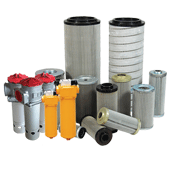
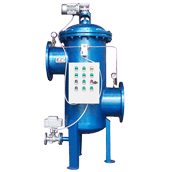
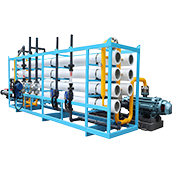
Glass fiber cartridge is a professional depth‑type filter consumable specially applied for the pretreatment system of industrial ultrafiltration equipment. The complete water‑treatment pipeline system is equipped with the matched industrial liquid filter to intercept coarse suspended particles, realize multi‑stage graded filtration and reduce the pollutant‑loading burden of glass‑fiber filter cartridges; our mature filter‑product series contains Pleated Security Filter Element for Industrial Ultrafiltration, Condensed Water Filter Element for Industrial Ultrafiltration, Dow Membrane Filters Type SW30HRLE‑400 High‑Flow Cartridge and Cartridge Filter Element for High‑Flow Applications in Ultrafiltration, which can adapt to hollow‑fiber and tubular ultrafiltration membrane assemblies of multiple mainstream brands. Relying on three‑dimensional porous glass‑fiber medium, this filter cartridge boasts strong dirt‑holding capacity and outstanding high‑temperature resistance to protect the subsequent ultrafiltration deep‑purification workflow. This article introduces the structural traits, cooperative working principle with ultrafiltration devices, detailed technical specifications, strict quality‑control process and wide‑range industrial‑scenario applications of the glass fiber cartridge. Water‑treatment engineering contractors, on‑site water‑station operators and overseas filter wholesalers are permitted to pick standard‑size cartridges or customize filter‑layer thickness, pore‑size and end‑cap structure to lower the long‑run operating cost of ultrafiltration water‑treatment stations.

1. Product Introduction of Glass Fiber Cartridge
The glass fiber cartridge is a depth‑filtration high‑flow filter element, widely adopted as the core security‑filtration spare part inside ultrafiltration pretreatment filter housings. Raw‑water resources including surface water, underground well‑water and factory recycled wastewater carry silt, rust debris, fine fiber impurities, oily contaminants and organic colloids. Without the interception of the glass‑fiber depth‑type cartridge, tiny pollutants will adhere to and block ultrafiltration‑membrane micropores, bring about irreversible membrane fouling, shorten the membrane service life and increase the chemical‑cleaning frequency of ultrafiltration‑water‑making machinery. For‑this reason, high‑temperature‑resistant glass‑fiber cartridges have become essential filter accessories for many harsh‑working‑condition industrial ultrafiltration projects.
Raw‑water firstly removes coarse sediment and rigid large‑size particulate pollutants via the upstream liquid filter. After coarse filtration, water flows into the stainless‑steel filter housing and undergoes fine‑depth filtration handled by our glass fiber cartridge. We supply multiple interchangeable filter elements for varied ultrafiltration working‑conditions:
Our glass fiber cartridge is composed of multi‑layer gradient‑density glass‑fiber filter medium, corrosion‑resistant inner support skeleton, injection‑molded upper‑and‑lower end‑caps and high‑elasticity EPDM sealing rings. The gradient‑density three‑dimensional pore structure can trap pollutants of different particle sizes from outer‑layer to inner‑layer, greatly lifting dirt‑holding capacity. Compared with ordinary polypropylene folded cartridges, glass‑fiber material can withstand higher working temperature and shows stable filtering performance under oily and weak‑corrosion water‑quality environments. It supports the mainstream 226‑fin bayonet interface and flat‑end‑cap installation, compatible with most international‑standard high‑flow filter housings. Every finished glass‑fiber cartridge will complete bubble‑point inspection and hydraulic‑pressure leakage testing before shipment, guaranteeing stable matched‑operation with ultrafiltration‑membrane equipment. Our factory provides bulk spot supply and personalized customization service for non‑standard ultrafiltration‑system requirements.
2. Working Principle: Collaborative Filtration With Ultrafiltration Equipment
The complete water‑purification workflow adopts three‑stage progressive filtration: liquid filter coarse filtration → glass fiber cartridge deep‑type fine filtration → ultrafiltration‑membrane deep separation. The gradient glass‑fiber medium intercepts suspended contaminants relying on physical interception, inertial sedimentation, diffusion adsorption and depth‑capture effects.
2.1 Long‑Time Stable Filtration Operation
After coarse screening by the front‑end liquid filter, raw‑water flows into the filter housing and permeates from the outer coarse‑pore glass‑fiber layer inward to the fine‑pore inner layer and the central water‑collecting pipeline. Large‑sized impurities are trapped on the outer filter‑layer, medium‑size particles get intercepted in the middle‑layer, and ultrafine colloidal pollutants are captured inside the deep‑filter medium. Purified water converges in the central pipeline and steadily flows into ultrafiltration equipment to get rid of bacteria, macromolecular organics and ultra‑fine suspended particles. Thanks to the gradient‑density glass‑fiber structure, the cartridge keeps a relatively‑low stable pressure‑drop in long‑time high‑flow operation and avoids water‑supply shortage for continuous ultrafiltration water‑making.
2.2 Differential‑Pressure Reminder for Cartridge Replacement
Pollutants will build‑up gradually inside the three‑dimensional glass‑fiber medium during continuous operation and raise the inlet‑outlet pressure‑difference. Once the pressure‑difference hits the 0.25 MPa warning value, operators need to replace the glass fiber cartridge promptly. Clogged filter cartridges will increase the water‑pump running‑load, reduce ultrafiltration water‑yield and accelerate membrane fouling.
2.3 Matching the Ultrafiltration Back‑Washing System
Water filtered by the glass‑fiber cartridge can serve as the back‑wash water‑source of ultrafiltration membrane modules. After mixing with compressed air, it forms gas‑water mixed cleaning‑liquid to wash away the pollutants attached to ultrafiltration‑membrane surfaces, slow‑down membrane contamination and prolong the chemical‑cleaning cycle of ultrafiltration machinery.

3. Standard Technical Parameters
Size and Flow‑rate Specifications
Outer diameter: 152 mm
Optional cartridge length: 20‑inch, 40‑inch, 60‑inch
Single‑cartridge rated flow: 60‑115 m³/h
Filtration precision options: 1 μm, 3 μm, 5 μm, 10 μm, 20 μm, 50 μm
Connection form: 226 fin‑type bayonet, flat open‑end cap
Filter‑Material Performance Index
Glass‑fiber medium: Max working temperature ≤80℃, excellent deep‑filtration & high dirt‑holding capacity
Polypropylene alternative medium: Max working temperature ≤60℃, pH tolerance 1‑13, cost‑saving
PTFE alternative medium: Outstanding acid‑alkali resistance, fit for corrosive industrial wastewater
Standard sealing ring: EPDM; optional silicone rubber and fluororubber
Operating‑Limit Parameter
Maximum working pressure: 1.0 MPa
Recommended replacement differential‑pressure: 0.25 MPa
Initial system pressure drop: ≤0.02 MPa
Matched Accessories
Front‑end industrial liquid filter, stainless‑steel filter housing, differential‑pressure gauge and pipeline mounting brackets
4. Strict Product‑Quality Assurance System
We are a specialized manufacturer of glass‑fiber depth‑type filter cartridges and full‑set ultrafiltration pretreatment schemes. All manufacturing‑processes abide by ISO9001 international quality‑management standards. For overseas export‑orders, we can supply material inspection certificates and batch‑test reports to satisfy international‑project acceptance‑standards.
Raw‑material inspection: Glass‑fiber filter material, inner support‑skeleton and sealing‑rings are sampled for high‑temperature‑resistance, tensile‑strength and chemical‑resistance testing.
On‑line production inspection: QC‑staff inspect the gradient‑layer laying uniformity, end‑cap bonding strength and sealing‑performance for each cartridge.
Finished‑product inspection: 100 % air‑tightness and bubble‑point testing for every production‑batch.
Packing and shipment: Independent damp‑proof wrapping and shock‑resistant export cartons. Standard‑specification cartridges can be delivered within 3‑7 working‑days, and customized‑order delivery‑time ranges 12‑20 working‑days.
Under clean raw‑water working‑conditions, the normal service‑life of the glass fiber cartridge is 1‑3 months. Our engineering‑team supplies long‑term free filter‑selection guidance and remote‑operation troubleshooting for clients with ultrafiltration water‑treatment stations.

5. Main Application Fields Matched With Ultrafiltration Equipment
Ultrapure‑water industry: Pretreatment depth‑filtration for ultrafiltration‑RO combined water‑production systems
Seawater‑desalination engineering: Raw‑water protective filter cartridge for brackish‑water and seawater ultrafiltration‑plants
Petrochemical‑wastewater disposal: High‑temperature‑resistant fine pretreatment before tubular‑ultrafiltration wastewater‑processing
Municipal reclaimed‑water recycling: Supporting glass‑fiber cartridges for large‑scale centralized ultrafiltration‑stations
Thermal‑power‑plant sector: High‑temperature condensate‑water filtration matched with condensed‑water ultrafiltration‑equipment
Food‑and‑beverage and fine‑chemical industry: Process‑water pretreatment for high‑temperature working‑condition ultrafiltration‑purification machinery
FAQ
Q1: What advantages can glass fiber cartridge bring for ultrafiltration‑membrane equipment?
A: It adopts gradient depth‑filtration structure to capture multi‑size suspended pollutants, bears great dirt‑holding capacity, tolerates high‑temperature water‑quality, reduces pollutant burden on ultrafiltration‑membranes, slows‑down fouling speed and extends membrane service‑life.
Q2: Can‑you customize glass fiber cartridges to match my existing ultrafiltration‑system?
A: Yes. Our technical‑team adjusts cartridge‑length, filtration‑precision, filter‑layer structure and end‑cap specifications based‑on on‑site water‑quality, pipeline‑flow and filter‑housing parameters.
Q3: How long is the regular replacement‑cycle of the glass fiber cartridge?
A: Under stable good‑quality raw‑water, the replacement‑cycle lasts 1‑3 months. High‑turbidity, oily or high‑temperature inlet‑water speeds‑up cartridge‑clogging and shortens service‑life.
Q4: Why install a liquid filter on the upstream pipeline of the glass‑fiber filter cartridge?
A: The front‑mounted liquid filter intercepts gravel, rust chunks and rigid coarse particles, prevents hard sharp particles from scratching the delicate glass‑fiber medium, delays cartridge‑blockage and creates dual‑stage protection for downstream ultrafiltration‑membranes.
Q5: What factors will lead‑to early‑stage clogging of the glass fiber cartridge?
A: Excessive impurity‑concentration of inlet‑water, upstream liquid‑filter breakdown, long‑term overload‑flow operation and improperly‑selected filtration‑precision will trigger fast pressure‑difference rise and premature cartridge‑blockage.
Q6: Can multiple glass‑fiber cartridges work in parallel for large‑scale industrial ultrafiltration‑machines?
A: Absolutely yes. Multiple glass‑fiber cartridges are installed in parallel in large‑size filter‑housing to deliver stable large‑flow qualified feed‑water for heavy‑duty ultrafiltration‑equipment, widely‑used inside municipal recycled‑water and industrial‑wastewater‑treatment‑projects.
Other products you want to know about:
PP melt-blown filter
High Flow Cartridge Filter
self-cleaning filter