2. Application Scenarios

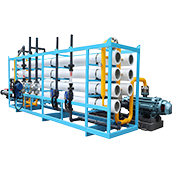
Through years of on-site service experience, I have found that RO membrane replacement service has a wide range of application scenarios, covering all fields where RO water treatment systems are used. First, household RO water purifiers. Most families ignore the replacement of RO membrane , resulting in a gradual decrease in water purification effect and even secondary pollution. RO membrane replacement service can help families quickly restore the purification capacity of water purifiers, ensuring that the whole family drinks safe and clean water. Second, industrial water treatment systems. Industries such as electronics, pharmaceuticals, food processing and chemical engineering have strict requirements on water quality. Once the RO membrane fails, it will affect the production process and product quality. RO membrane replacement service can provide efficient and professional replacement operations, minimize production downtime, and ensure the stable operation of the production line. Third, municipal water supply and sewage treatment systems. Municipal RO systems bear the responsibility of providing safe drinking water for residents and treating sewage. Timely RO membrane replacement service can ensure the treatment efficiency of the system, improve the quality of tap water and the effect of sewage recycling. Fourth, commercial places such as hotels, hospitals and schools. These places have large water consumption and high requirements on water quality. RO membrane replacement service can provide customized replacement solutions to meet the different water needs of various commercial places.
3. Technical Parameters

Professional RO membrane replacement service has clear technical parameters, which are the basis for ensuring service quality and effect. Based on my practical experience, the core technical parameters of RO membrane replacement service are as follows:
Replacement cycle : According to the type ofRO membrane and use environment, the household type is 3-7 years, and the industrial type is 5-10 years; if the salt rejection rate drops by more than 5% or the permeate flow rate drops by more than 20%, emergency replacement is required.
Replacement precision: The installation error of the RO membrane is ≤0.5mm, ensuring tight connection and no water leakage; the installation direction is 100% correct, avoiding membrane damage caused by reverse installation.
Detection parameters: Pre-replacement detection includes salt rejection rate , permeate flow rate, membrane integrity and system pressure; post-replacement detection requires that the salt rejection rate ≥99.5%, the permeate flow rate meets the system standard, the system pressure is stable at 15-60 bar (adjusted according to the system type), and the membrane integrity is qualified
Operation time: Household RO membrane replacement takes 30-60 minutes; industrial large-scale RO membrane replacement takes 2-8 hours (depending on the number of membranes and system complexity).
Compatibility: The replaced RO membrane is 100% compatible with the original RO system, including interface size, operating pressure and permeate flow rate requirements.
4. Product Advantages
Compared with self-replacement or non-professional replacement services, professional RO membrane replacement service has irreplaceable core advantages, which I have summarized through years of service practice. First, professional and efficient operation. Professional technicians have rich experience in disassembly and assembly, are familiar with the structure of various RO systems, can quickly complete the replacement operation, avoid system damage caused by improper operation, and save time and effort for clients. Second, guaranteed replacement quality. The RO membrane used in the service meets national and international quality standards, and undergoes strict detection before replacement to ensure that the performance is up to standard; the replacement process follows standardized procedures to ensure the stability of the system after replacement. Third, comprehensive pre-and post-service. Pre-replacement, technicians will detect the RO system to determine whether replacement is needed and select the appropriate RO membrane; post-replacement, they will debug the system, detect water quality, and provide maintenance guidance to extend the service life of the new RO membrane . Fourth, cost-saving. Professional RO membrane replacement service can avoid the waste of RO membrane caused by wrong selection, and reduce the maintenance cost of the system caused by improper replacement; at the same time, it can extend the service life of the RO system and reduce the frequency of overall replacement. Fifth, safety and reliability. Professional operation can avoid water leakage, short circuit and other safety hazards caused by improper replacement, ensure the safe operation of the RO system, and prevent secondary pollution of water quality.
5. Application Procedures
Many clients have tried to replace the RO membrane by themselves, but failed due to incorrect procedures, resulting in system damage. Combining years of on-site operation experience, I have sorted out the standardized application procedures of professionalRO membrane replacement service .
First, pre-replacement detection. Technicians use professional equipment to detect the salt rejection rate , permeate flow rate , system pressure and membrane integrity of the RO system, determine whether the RO membrane needs to be replaced, and confirm the model and specification of the RO membrane to be replaced.
Second, system shutdown and pressure relief. Turn off the power and water source of the RO system, release the pressure in the system, and ensure safe operation during replacement.
Third, old membrane disassembly. Disassemble the old RO membrane in sequence according to the system structure, clean the membrane shell and connecting parts, and remove impurities and scale to avoid affecting the performance of the new membrane.
Fourth, new membrane installation. Install the new RO membrane in the correct direction, ensure tight connection, and check for water leakage.
Fifth, system flushing and debugging. Turn on the water source and power supply, flush the system for 20-30 minutes to remove the preservative and surface impurities of the new membrane; adjust the system parameters to ensure that the permeate flow rate and salt rejection rate meet the standards.
Sixth, post-replacement detection and guidance. Detect the water quality and system operation status again, confirm that all indicators are qualified; inform the client of the maintenance method of the newRO membraneand the next replacement cycle, and provide after-sales contact information.
6. Quality Standards
The quality ofRO membrane replacement service directly affects the operation effect of the RO system and the service life of the RO membrane, so it must comply with strict quality standards. Internationally, it follows the ISO 9001 quality management system and ASTM D4516 (Standard Test Method for Reverse Osmosis Membranes); domestically, it complies with GB/T 30307-2013 "Reverse Osmosis Membrane Elements for Water Treatment" and GB/T 5749-2022 "Standards for Drinking Water Quality". The key quality standards include:
First, the replaced RO membrane must pass strict performance detection, with salt rejection rate ≥99.5% and permeate flow rate within ±10% of the standard value.
Second, the replacement process is standardized, with no damage to the RO system, no water leakage at the connection, and correct installation direction of the RO membrane .
Third, post-replacement detection is qualified, the system operates stably, the water quality meets the use requirements, and the salt rejection rate and permeate flow rate remain stable.
Fourth, the service process is standardized, technicians are professional, and provide detailed maintenance guidance and after-sales guarantee.
Fifth, the RO membrane used in the service has a formal quality certificate and a certain quality guarantee period.
7. Working Principle
The working principle of RO membrane replacement service is based on the working principle of the RO membrane and the operation logic of the RO system. The core of the RO membrane is the polyamide selective layer , which can intercept impurities such as salts and heavy metals through selective separation. After long-term use, the polyamide selective layer will be polluted by colloids, microorganisms and organic matter, the pore size will be blocked, and the salt rejection rate and permeate flow rate will decrease. The RO membrane replacement service solves this problem by replacing the old membrane with a new one—after replacing the new RO membrane , the RO system can reapply external operating pressure greater than the osmotic pressure of the raw water, forcing water molecules to pass through the polyamide selective layer of the new membrane, intercepting impurities, and thus restoring the deep purification capacity of the system. In addition, the pre-replacement detection and post-replacement debugging in the service ensure that the new RO membrane can be perfectly matched with the RO system, giving full play to its optimal performance.
8. Future Prospects
With the continuous popularization of RO water treatment systems and the increasing demand for water quality, the market demand for RO membrane replacement service is growing, and its future prospects are very broad. From the perspective of industry development, there are three main development directions. First, intelligence. RO membrane replacement service will be integrated with Internet of Things technology. Through real-time monitoring of the operation status of the RO membrane , it will automatically remind the client of the replacement time, and technicians can remotely detect the system status, improving the efficiency and convenience of the service. Second, customization. According to the different types of RO systems, use environments and water quality requirements of clients, customized RO membrane replacement service solutions will be provided, including the selection of RO membrane models, replacement time arrangement and post-maintenance plans, to meet the personalized needs of clients. Third, green and energy-saving. While providing replacement services, technicians will also provide energy-saving suggestions for the RO system, such as optimizing operating pressure and improving water utilization rate, to help clients reduce energy consumption and realize green and environment-friendly operation. In addition, with the continuous improvement of service standards, RO membrane replacement service will become more professional, standardized and humanized, becoming an indispensable part of the RO water treatment industry.
9. Conclusion
RO membrane replacement service is a key service to ensure the stable operation of RO water treatment systems and the qualified water quality. As a professional service integrating detection, replacement, debugging and after-sales, it has irreplaceable core advantages: professional and efficient operation, guaranteed replacement quality, comprehensive pre-and post-service, cost-saving and safety and reliability. Its application scenarios cover household, industrial, municipal and commercial fields, playing an important role in restoring the purification efficiency of RO systems, extending system service life and ensuring water quality safety. The working principle of the service is to restore the deep purification capacity of the RO system by replacing the old and invalid RO membrane with a new one that meets the standards, and matching the system through professional detection and debugging. With the continuous development of water treatment technology and the increasing demand for water quality, RO membrane replacement service will be further optimized and upgraded, and will continue to play a key role in the field of water resource utilization, bringing more professional and reliable service solutions to clients in various fields.
10. Frequently Asked Questions (FAQs)
Q1: How to judge whether the RO membrane needs to be replaced?
A1: The key judgment criteria are: the salt rejection rate drops by more than 5% and cannot be recovered after cleaning; the permeate flow rate drops by more than 20%; the RO membrane has been used for more than the recommended replacement cycle the produced water has peculiar smell, turbidity or fails to meet the drinking water standard.
Q2: Is it necessary to choose professional RO membrane replacement service?
A2: Yes. Professional RO membrane replacement service can avoid system damage caused by improper operation, ensure the quality of the replaced RO membrane , and provide comprehensive pre-and post-service, which is more safe and reliable than self-replacement or non-professional replacement.
Q3: How long does the RO membrane replacement service take?
A3: It depends on the type of RO system. Household RO membrane replacement usually takes 30-60 minutes; industrial large-scale RO membrane replacement takes 2-8 hours, which can be arranged according to the client’s production and use schedule.
Q4: What is the difference between household and industrial RO membrane replacement services?
A4: The main differences are: the replacement cycle (industrial type is longer), the number of replaced membranes (industrial type is more), the operation time (industrial type is longer), and the technical requirements (industrial type has higher requirements for replacement precision and system debugging), which are all designed according to the actual needs of different scenarios.
Q5: Does the RO membrane replacement service include after-sales guarantee?
A5: Yes. Professional RO membrane replacement service usually provides a 3-12 month after-sales guarantee period. During the guarantee period, if there is a problem with the replaced RO membrane or the system operation caused by replacement, technicians will provide free maintenance and treatment.
Q6: How to choose a suitable RO membrane for replacement?
A6: It needs to be determined according to the model of the RO system, the operating pressure , the permeate flow raterequirement and the raw water quality. Professional technicians will detect and select the appropriate RO membrane for clients during the pre-replacement detection.