Roll Type Ultrafiltration Membrane Equipment for Industrial Water Filtration
Roll type ultrafiltration membrane equipment adopts spiral wound roll membrane structure to realize high-density filtration area layout for industrial raw water purification and wastewater advanced treatment. As a high-efficiency compact industrial liquid filter with high filling density and good anti-pollution performance, this roll membrane device can be matched with high-load Concentrated Ultrafiltration Membrane Equipment, high-precision Dual Stage Ultrafiltration Equipment, miniaturized Compact Small Scale Ultrafiltration Membrane Equipment and integrated finished Complete Ultrafiltration Equipment to build multi-form water purification systems for different space layout and water quality treatment demands. This paper comprehensively analyzes structural characteristics, spiral membrane separation mechanism, unified technical indicators, strict factory quality control system and diversified industrial application scenarios of roll type ultrafiltration membrane equipment, helping global industrial customers select roll membrane ultrafiltration products to improve water treatment efficiency and reduce overall equipment floor space.

1. Product Introduction
Roll type ultrafiltration membrane equipment uses spiral wound roll ultrafiltration membrane as the core filtering component. The membrane sheet is wound around the central permeate collecting pipe together with flow guide mesh, forming a sealed roll membrane element inside the pressure vessel shell. Compared with traditional hollow fiber ultrafiltration equipment, roll type ultrafiltration membrane has larger effective filtration area per unit volume, stable mechanical structure, strong pressure resistance, and is not easy to break during backwashing, which is widely used in fine filtration of medium and low turbidity industrial water, material concentration and wastewater advanced treatment.
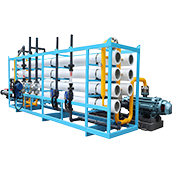
LEFILIER’s roll type ultrafiltration membrane equipment can be combined with other serial products on the official website according to actual project working conditions. For industrial wastewater concentration and resource recovery projects with high organic content, customers can select matched Concentrated Ultrafiltration Membrane Equipment composed of multi-group roll membrane elements, relying on the interception performance of roll membrane to concentrate useful substances in wastewater. When customers need ultra-high precision water outlet requirements for pharmaceutical and electronic industries, roll membrane components can be installed in the front and rear stages of Dual Stage Ultrafiltration Equipment to realize graded deep impurity removal and improve finished water cleanliness. For laboratory water supply, small workshop production water and skid-mounted mobile water treatment devices, the miniaturized Compact Small Scale Ultrafiltration Membrane Equipment with built-in small roll membrane modules has the advantages of small footprint and convenient transportation. Most conventional industrial water pretreatment projects directly adopt the pre-assembled Complete Ultrafiltration Equipment, with roll membrane, pipeline, pump body and control system integrated on the stainless steel frame for one-step installation and commissioning on site.
The pressure shell of roll type ultrafiltration membrane equipment is made of UPVC or 304 stainless steel, with good pressure bearing and corrosion resistance. The roll membrane material is mainly modified PVDF and PES material; the spiral flow channel inside the roll membrane can form uniform cross-flow scouring on the membrane surface during operation, effectively slowing down the accumulation of pollutants. The supporting system is equipped with independent backwash pipeline and chemical cleaning interface, the PLC control cabinet can set regular backwash and online CIP cleaning programs to maintain the long-term stable flux of roll membrane elements.
In the actual industrial water treatment process, roll type ultrafiltration membrane equipment is mostly used as the intermediate fine filtration unit of pure water preparation lines, which can further remove trace colloids and organic matter after primary coarse filtration, stabilize the influent SDI value of subsequent reverse osmosis equipment, and effectively slow down the fouling speed of RO membrane elements.

2. Working Principle
The core working principle of roll type ultrafiltration membrane equipment is pressure-driven cross-flow sieving separation based on spiral wound membrane structure. After raw water is boosted by the feed pump to the operating pressure of 1.0 ~ 3.8 bar, the fluid enters the flow channel between the roll membrane sheets along the axial direction of the pressure vessel.
Under the action of pressure difference on both sides of the membrane, water molecules and small molecular soluble substances pass through the ultrafiltration membrane layer radially into the central collecting pipe to form qualified permeate clean water, which is discharged out of the equipment through the water production port. Suspended solids, macromolecular organics, colloids and microorganisms larger than the membrane molecular weight cutoff are trapped on the surface of the roll membrane. With the pushing of the mainstream cross-flow fluid, most pollutants flow out from the concentrated water outlet along the membrane surface channel, avoiding the rapid formation of filter cake layer blocking the membrane pores.
Two sets of maintenance mechanisms are configured in the control program of roll type ultrafiltration membrane equipment to ensure long-term stable operation. The first is automatic backwashing: the produced clean water reversely enters the membrane body from the central collecting pipe, washes off loose pollutants attached to the membrane surface, and the whole process is automatically triggered by timing or pressure difference without manual operation. The second is periodic online chemical cleaning: alkaline cleaning liquid removes organic dirt adsorbed on the membrane surface, and acidic cleaning liquid eliminates inorganic scale precipitation when the system flux decays obviously, restoring the original permeation performance of the roll membrane. For the roll membrane equipment used in high-concentration wastewater working conditions, enhanced circulating cleaning mode can be selected to improve the cleaning effect of compact membrane pollution layer.
3. Technical Parameters
3.1 Core Roll Type Ultrafiltration Membrane Parameters
Optional membrane material: Modified PVDF / PES
Conventional MWCO specifications: 50 kDa, 100 kDa
Membrane structure: Spiral wound roll structure
Allowable operating pressure: 1.0 ~ 3.8 bar
Continuous operating temperature: 5℃ ~ 40℃
pH tolerance: Continuous operation pH 2–10; cleaning short-term pH 1–12
Effective membrane area of single roll element: 4 ~ 12 ㎡ customizable
3.2 Overall Operating Index of Roll Type Ultrafiltration Membrane Equipment
Optimal working pressure range: 1.5 ~ 3.0 bar
System comprehensive water recovery rate: 83% ~ 92%
Effluent turbidity: Stably less than 0.08 NTU
Colloid & microorganism interception rate ≥99.95%
Outlet water SDI ≤3.0, matching the inlet requirement of reverse osmosis system
3.3 Equipment Hardware Configuration Parameters
Pressure vessel material: UPVC / 304 stainless steel pressure shell
Control system: PLC + touch screen automatic control with pressure difference monitoring & fault alarm
Adjustable automatic backwash cycle: 20 ~ 70 min
Recommended chemical cleaning cycle: 2 ~ 5 months
Customizable equipment water yield: 0.3T/h ~ 80T/h standard specifications

4. Product Quality & Manufacturing Standards
Every set of roll type ultrafiltration membrane equipment produced by LEFILIER implements full-process quality inspection from roll membrane incoming inspection, pressure shell pressure test, pipeline assembly to finished machine overall water test. Each batch of roll membrane elements must pass bubble point test and integrity test one by one to screen out membrane damage, winding gaps and other defective products, ensuring uniform interception performance of each roll membrane component. The pressure shell is subjected to 1.5 times the design pressure hydraulic test before assembly to eliminate hidden dangers of shell cracking and water leakage under long-term pressure operation. All water-wetted pipelines and sealing parts adopt food-grade anti-corrosion materials to prevent secondary pollution to water quality.
After the assembly of the whole equipment is completed, FAT factory acceptance test must be carried out with simulated actual water flow conditions to detect the stability of water production, the response sensitivity of backwash valves and the execution logic of the control program, and the goods can be delivered with complete quality documents only after all test items are qualified.
Our roll type ultrafiltration membrane equipment has obtained ISO9001 quality system certification and CE safety certification. Under standardized operation and regular cleaning maintenance, the service life of PVDF roll membrane can reach 4–7 years, and PES roll membrane can reach 5–8 years. We provide long-term supply of original roll membrane spare parts and global remote after-sales technical guidance for all purchased customers, reducing the difficulty of later equipment operation and maintenance.
5. Application Fields
Relying on compact structure, large filtration area and stable interception effect, roll type ultrafiltration membrane equipment is widely used in multiple industrial treatment scenarios:
Pure water system intermediate fine filtration: Remove trace colloids and organics to protect reverse osmosis membrane elements
Food & beverage raw material concentration: Concentrate protein, sugar liquid and other effective components by roll membrane interception
Pharmaceutical process water purification: Deeply filter production water to reduce microbial and particulate impurities
Electroplating wastewater advanced treatment: Trap heavy metal hydroxide flocs to realize wastewater discharge standard and partial water reuse
Cosmetic production water preparation: Improve water cleanliness to meet the high purity requirements of cosmetic production
Laboratory ultrapure water pretreatment: Provide stable pre-treated water for laboratory analytical instruments
FAQ
Q1: What are the differences between roll type ultrafiltration membrane equipment and hollow fiber ultrafiltration equipment?
A: Roll membrane has larger single-piece filtration area, strong pressure resistance, not easy to break filaments, suitable for fine filtration and material concentration; hollow fiber has low cost and large overall water volume, more used for primary coarse filtration of high-turbidity raw water.
Q2: Can roll type ultrafiltration membrane equipment remove dissolved salt ions and reduce water TDS value?
A: Roll ultrafiltration only intercepts macromolecular substances, colloids and microorganisms, salt ions can freely pass through the membrane layer. If desalination is needed, it must be matched with reverse osmosis equipment for combined use.
Q3: How often does roll type ultrafiltration membrane need chemical cleaning in daily operation?
A: Automatic backwash runs regularly every 20–70 minutes; chemical CIP cleaning is carried out every 2–5 months according to the pollution degree of the influent water to remove organic pollutants and scale attached to the membrane surface.
Q4: Is the roll membrane element replaceable independently after long-term use and fouling?
A: Yes, each roll membrane is installed in an independent pressure vessel. Users can take out a single roll membrane for replacement without disassembling the whole equipment frame, which is convenient for later maintenance.
Q5: What factors will accelerate the fouling aging of roll type ultrafiltration membrane?
A: Long-term failure to perform backwashing and chemical cleaning, excessive inlet pressure, unremoved large particle impurities entering the membrane channel will cause irreversible pollution of the roll membrane and shorten its service life.
Q6: Can roll type ultrafiltration membrane equipment be used for high-temperature wastewater treatment?
A: Conventional roll membrane is suitable for water temperature below 40℃; high-temperature resistant customized roll membrane can be selected for wastewater below 50℃, long-term high temperature will damage the membrane winding structure and material performance.
Other products you may want to know about:
bag water filter
Automatic Back-flushing Filter
Precision water filter