Low Energy Consumption Industrial RO Equipment for Factory Water Purification
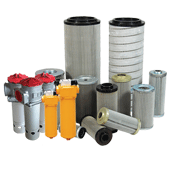
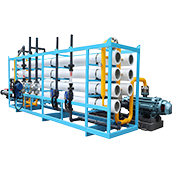
Low energy consumption industrial RO equipment is optimized reverse osmosis purification unit designed to cut long-term power expenditure for continuous industrial water stations. It is equipped with high-precision liquid filter as vital pretreatment barrier to reduce membrane fouling frequency and avoid extra energy loss caused by pressure rise. You can combine it with matched solutions such as Industrial Reverse Osmosis Pure Water Machine and Industrial RO Water Treatment Unit to build full eco-friendly industrial water treatment workflows. This energy-saving RO system adopts optimized hydraulic layout, high-efficiency membrane elements and optional energy recovery devices, maintaining stable water yield and water quality while significantly lowering operating power consumption. Multiple scalable skid-mounted specifications suit small workshops and large manufacturing industrial parks. Widely applied in food, pharmaceutical, photovoltaic and chemical factories, this article elaborates product composition, working principle, technical indicators, quality standards, application scenarios and typical operation challenges to support your energy-saving industrial purified water project planning.

1. Product Introduction
Low energy consumption industrial RO equipment is energy-saving optimized reverse osmosis system developed to respond to factories’ demand for reducing water treatment operating costs. Traditional industrial reverse osmosis equipment often operates under excessive pressure; membrane fouling and unreasonable pipeline design lead to high power consumption year-round. As energy costs keep rising, more manufacturers prioritize low-energy water treatment equipment to control comprehensive production expenditure. Low energy consumption industrial RO equipment carries out systematic optimization on membrane configuration, pipeline layout, pumping scheme and pretreatment matching, achieving balanced performance between stable water quality and low power consumption.
The whole unit adopts modular skid-mounted integrated design. Anti-corrosion low-resistance pipeline materials reduce hydraulic loss during water circulation. The front pretreatment assembly is equipped with high-performance liquid filter to intercept sediment, colloids and particulate pollutants, slow down membrane fouling rate and prevent system operating pressure from continuously climbing, which effectively avoids incremental energy consumption caused by polluted membranes.
Enterprises can select specifications according to daily water demand: small and medium-sized workshops can choose compact models such as Industrial Reverse Osmosis Pure Water Machine; large industrial water stations can deploy multiple parallel sets on this low-energy RO platform, and match standardized supporting Industrial RO Water Treatment Unit to form a complete water supply system. If ultra-pure water is required for high-end manufacturing processes, this primary low-energy RO host can be combined with two-stage RO or EDI modules for further deep deionization.
Many water treatment engineers distinguish low energy consumption industrial RO equipment from conventional standard reverse osmosis devices. Ordinary RO equipment only focuses on reaching nominal water yield, ignoring hydraulic resistance and long-cycle energy waste. Low energy consumption industrial RO equipment takes long-term operating cost as core design target. High-efficiency low-pressure anti-fouling RO membranes, rational flow velocity design and optional energy recovery modules are adopted to cut unit water power consumption. The qualified purified water produced can be used for process raw material mixing, equipment cleaning, boiler feed water and circulating cooling make-up water. Concentrated separated wastewater can be recycled for workshop site cleaning after recovery treatment. This series energy-saving reverse osmosis equipment has become preferred supporting facility for newly built and renovated production lines with energy-saving and consumption reduction targets.

2. Working Principle of Low Energy Consumption Industrial RO Equipment
Reverse osmosis is pressure-driven physical membrane separation technology. Under driving pressure higher than raw water natural osmotic pressure, water molecules pass through semi-permeable high-efficiency low-pressure RO membranes. Soluble salts, heavy metal ions, colloids and suspended particles are trapped on the concentrated water side to realize raw water deep purification. The core advantage of low energy consumption industrial RO equipment lies in systematic optimization to reduce redundant pressure loss and delay membrane fouling, so as to cut continuous power consumption.
The complete factory water treatment workflow is divided into four core stages:
Stage1: Multi-stage precision pretreatment filtration
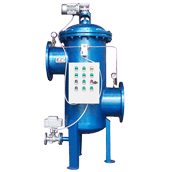
Raw water sequentially flows through multimedia filter, activated carbon filter and liquid filter. This procedure removes suspended solids, residual chlorine and large colloids, reduces water turbidity and SDI value, creates stable qualified inflow conditions and lowers membrane pollution risk.
Stage2: Dosing regulation and low-loss pressurization
Anti-scaling agent and biocide are added quantitatively according to raw water characteristics to suppress membrane scaling and microbial breeding. Pretreated qualified water is boosted by high-efficiency energy-saving high-pressure pump. The pipeline adopts low-resistance layout to minimize hydraulic pressure loss.
Stage3: Reverse osmosis deep purification separation
Pressurized raw water enters membrane pressure vessels. High-efficiency low-pressure RO membranes intercept ionic and particulate pollutants. Water is separated into qualified purified water for industrial production and high-salinity concentrated wastewater. Optional energy recovery device recycles pressure energy of concentrated water to reduce pump load.
Stage4: Intelligent monitoring and optimized automatic flushing
PLC control system continuously monitors conductivity, operating pressure and liquid tank level. Intelligent timing flushing strategy avoids excessive frequent flushing that wastes water and electricity. Automatic cross-flow flushing activates regularly to wash pollutants attached to membrane surfaces and stabilize long-cycle operating pressure.
For large flow projects such as power plants and photovoltaic industrial bases, energy recovery configuration is strongly recommended to further improve energy-saving effect.
3. Core Technical Parameters
We provide personalized customized design based on factory daily water consumption, raw water quality and energy-saving targets. Standard technical indicators of low energy consumption industrial RO equipment are as follows:
Water production capacity: 1m³/h ~ 200m³/h, customizable, including compact industrial reverse osmosis pure water machine and large industrial RO water treatment unit
Single-pass salt rejection rate: ≥97%
System water recovery rate: 65% ~ 78%, adjustable based on raw water salinity
Unit water power consumption: Reduced by 12%~25% compared with conventional standard RO equipment (specific data depends on raw water conditions)
Inlet water requirements after pretreatment: Turbidity ≤1 NTU, SDI ≤5, residual chlorine <0.1mg/L
Working temperature: 5℃ ~ 40℃
Control mode: Full-automatic PLC intelligent control, online conductivity monitoring, high-low pressure protection, optimized intelligent automatic membrane flushing, optional energy recovery device interface
Material specification: Anti-corrosion skid frame; FRP / 304 stainless steel membrane housing; low-resistance UPVC or stainless steel pipeline; high-efficiency low-pressure anti-fouling reverse osmosis membrane

4. Product Quality Standard
All low energy consumption industrial RO equipment complies with industrial water treatment equipment manufacturing and energy efficiency specifications.
Firstly, core RO membrane elements adopt high-efficiency low-pressure anti-fouling reverse osmosis membranes. Supporting liquid filter uses high dirt-holding filter material to guarantee stable pretreatment effect and prevent particles scratching membrane surfaces. High-pressure pumps, sensors and valves select energy-saving industrial brands suitable for long-term continuous operation.
Secondly, every complete set of equipment passes hydraulic pressure test and 72-hour continuous load energy consumption test before delivery. The skid base adopts heavy-duty anti-rust anti-corrosion coating. We supply complete P&ID flow diagrams, installation guidelines and operation manuals.
Thirdly, our professional technical team provides remote online guidance and optional on-site commissioning service. Standardized maintenance plans effectively slow down scaling and organic fouling, stabilize operating pressure and maintain long-term low energy consumption operation effect.
5. Application Fields of Low Energy Consumption Industrial RO Equipment
This energy-saving optimized reverse osmosis purification system is widely used in various industrial manufacturing sectors:
Food and beverage factory: Continuous production process water and equipment cleaning supporting water
Pharmaceutical production workshop: Purified water preparation for pharmaceutical preparation and biopharmaceutical projects
New energy photovoltaic factory: Silicon wafer cleaning and cell production supporting purified water
Fine chemical plant: Raw material synthesis and reaction medium preparation water
Medium-sized manufacturing enterprise: Adopt Industrial Reverse Osmosis Pure Water Machine
Large industrial park: Deploy multiple sets of Industrial RO Water Treatment Unit for centralized low-energy water supply
Different industrial projects have different raw water conditions and energy-saving expectations. Our engineers optimize pretreatment scheme, membrane combination and energy recovery configuration after analyzing local raw water samples, to balance water quality stability and long-term power consumption.
Frequently Asked Questions
FAQ1
Q: Where does the energy-saving advantage of low energy consumption industrial RO equipment come from?
A: Energy saving comes from three aspects: high-efficiency low-pressure RO membrane, low-resistance pipeline hydraulic optimization, and optional concentrated water energy recovery device. Meanwhile, effective pretreatment via liquid filter slows down membrane fouling and avoids pressure rise caused by pollution.
FAQ2
Q: How to select supporting equipment for low energy consumption industrial RO system?
A: According to factory water demand, you can select matched equipment such as Industrial Reverse Osmosis Pure Water Machine and Industrial RO Water Treatment Unit. The front end must be equipped with complete pretreatment including liquid filter.
FAQ3
Q: What is the function of liquid filter inside low energy consumption industrial RO equipment?
A: Liquid filter intercepts sediment, colloids and suspended particles in raw water, delays membrane fouling speed, prevents continuous rise of operating pressure, avoids power consumption increase, and extends service life of high-efficiency RO membrane elements.
FAQ4
Q: Can low energy consumption industrial RO equipment run 24 hours continuously all year round?
A: Yes. The whole system is optimized for long-cycle uninterrupted industrial operation. With standardized pretreatment and regular maintenance, it can maintain stable low-energy operation matching non-stop production lines.
FAQ5
Q: Is energy recovery device necessary for all low energy consumption RO projects?
A: Small flow equipment can rely on optimized membranes and pipelines to realize energy saving. Large flow water stations with daily water yield over 30 tons are recommended to equip energy recovery devices for better economic benefits.
FAQ6
Q: What regular maintenance should be carried out for low energy consumption industrial RO equipment?
A: Regularly replace filter cartridges inside liquid filter; reasonably control anti-scaling agent dosage; keep intelligent automatic membrane flushing enabled; record operating pressure and power consumption data every day; carry out chemical cleaning timely once fouling leads to pressure increase.
Other products you want to know about:
Self Cleaning Filters
Ultrafiltration equipment
High Flow Cartridge Filter