Brewing Water RO System for Wineries and Distilleries Production
Brewing water RO system for wineries/distilleries supplies standardized purified brewing water for fermentation, blending and dilution procedures in alcohol production. It is equipped with high-precision liquid filter as essential pretreatment barrier to remove suspended solids and avoid membrane contamination. You can refer to mature models including Medium-scale Reverse Osmosis Equipment and Industrial-grade RO Reverse Osmosis System to build a complete brewery water treatment workflow. This system reasonably adjusts water hardness, ion composition and purity to stabilize wine flavor and improve product consistency. Scalable solutions from small skids up to Large-capacity Reverse Osmosis Equipment can match craft wineries and large distilleries. Widely adopted in grape wineries, whisky distilleries and spirit factories, this article elaborates product composition, working principle, technical indicators, quality standards, application scenarios and common operation issues to support your brewing water treatment project planning.

1. Product Introduction
Brewing water RO system for wineries/distilleries is customized industrial reverse osmosis equipment developed according to strict water quality requirements of wine brewing and distilling industries. Water quality is one of the decisive factors affecting the flavor, taste and stability of wine, brandy, whisky and various spirits. Raw well water, spring water or municipal tap water contains unstable calcium-magnesium hardness, heavy metal trace elements, suspended sediment and excess soluble salts. Unprocessed raw water will cause inconsistent fermentation speed, abnormal taste, turbidity and poor shelf life of finished wine. Therefore, stable and controllable brewing water preparation equipment is an indispensable facility for standardized winery production.
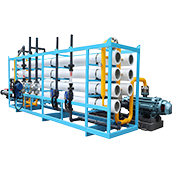
The whole system adopts compact skid-mounted modular design, suitable for indoor installation in winery water treatment workshops. The front pretreatment unit is equipped with high-performance liquid filter to intercept sediment, colloids and particulate impurities, protecting subsequent RO membrane elements from rapid fouling.
According to annual production volume, customers can select different specifications: small craft wineries adopt Reverse Osmosis Water Treatment Equipment (1+ Ton/hour); medium-sized distilleries choose Medium-scale Reverse Osmosis Equipment; large beverage and alcohol industrial bases can combine multiple units to form Large-capacity Reverse Osmosis Equipment, matched with Industrial-grade RO Reverse Osmosis System to realize centralized brewing water supply.
Many winery operators compare this brewing RO system with traditional simple filtration equipment. Reverse osmosis can accurately adjust water mineral content. After treatment, the water can be directly used for raw material soaking, fermentation, wine blending and finished product dilution. Concentrated water generated after separation can be recycled for workshop cleaning and garden irrigation to save water resources. Different from industrial pure water equipment used in chemical factories, brewing water RO system focuses on mild ion regulation, avoiding excessive demineralization which damages wine flavor balance. It has become standard supporting water treatment equipment for newly built and upgraded wineries and distilleries.
2. Working Principle of Brewing Water RO System For Wineries/Distilleries
Reverse osmosis is pressure-driven physical membrane separation technology. Driven by external pressure exceeding the natural osmotic pressure of raw water, water molecules pass through semi-permeable RO membranes. Excess calcium magnesium ions, heavy metals, suspended solids and macromolecular impurities are intercepted on the concentrated water side. By controlling recovery rate and operation parameters, the system can adjust mineral content of output water to meet different brewing formula standards.
The complete winery water treatment workflow is divided into four core stages:
Stage1: Multi-stage pretreatment filtration
Raw spring water, well water or tap water flows through multi-media filter, activated carbon filter and liquid filter sequentially. This step removes sediment, residual chlorine and colloidal pollutants, reduces water turbidity and SDI value, and creates stable inflow conditions for RO membrane elements.
Stage2: Automatic dosing and pressurization
Scale inhibitor and biocide are added quantitatively as required to suppress scaling and microbial reproduction on membrane surfaces. Qualified pretreated water is boosted by high-efficiency pump to reach the optimal working pressure of RO membranes.
Stage3: Reverse osmosis purification and ion adjustment
Pressurized raw water enters membrane pressure vessels. RO membranes intercept redundant salts and impurities. Users can adjust operation parameters to control mineral retention. Treated brewing water is transported to fermentation workshops and blending workshops through closed pipelines.
Stage4: Intelligent monitoring and automatic flushing
PLC control system continuously monitors conductivity, operating pressure and water tank liquid level. Automatic cross-flow flushing activates during shutdown to wash pollutants attached to membrane surfaces. Operators can adjust running modes according to seasonal raw water quality changes.
If precise mineral value needs to be achieved, partial flow re-mineralization equipment can be matched after the RO system to realize fine regulation of brewing water components.

3. Core Technical Parameters
We provide personalized customized design according to winery daily water consumption, local raw water quality and brewing process standards. Standard technical indicators of brewing water RO system for wineries/distilleries are as follows:
Water production capacity: 1m³/h ~ 200m³/h, customizable, including reverse osmosis water treatment equipment (1+ ton/hour), medium-scale reverse osmosis equipment and expandable large-capacity reverse osmosis equipment
Adjustable conductivity range of produced water: 10 ~ 300μS/cm, flexible adjustment to match different wine types
Single-pass salt rejection rate: ≥97%
System water recovery rate: 65% ~ 80%
Inlet water requirements after pretreatment: Turbidity ≤1 NTU, SDI ≤5, residual chlorine <0.1mg/L
Working temperature: 5℃ ~ 40℃
Control mode: Full-automatic PLC intelligent control, online conductivity monitoring, high-low pressure protection, automatic membrane flushing
Optional materials: Food-grade FRP or stainless steel membrane housing; food-grade UPVC / 304 stainless steel pipeline; food safety certified RO membrane elements
4. Product Quality Standard
All brewing water RO system for wineries/distilleries follows food-grade water treatment equipment manufacturing specifications.
Firstly, core RO membrane elements adopt food-certified low-fouling membrane suitable for beverage and brewing industry. Supporting liquid filter uses food-grade high dirt-holding filter material to ensure safe and stable pretreatment filtration effect. High-pressure pumps, sensors and valves select food-grade anti-rust industrial brands.
Secondly, every complete set of equipment passes hydraulic pressure test and continuous running water quality test before delivery. The skid base adopts anti-corrosion coating. All pipelines contacting water adopt food-grade materials to avoid secondary pollution. We provide complete process drawings, installation guidelines and operation manual.
For reference of industrial operation experience, you can view Industrial-grade RO Reverse Osmosis System introduction.
Thirdly, our technical team provides remote online guidance and optional on-site commissioning service. Standardized maintenance plans effectively slow down membrane fouling, extend membrane service life and ensure continuous stable brewing water supply during fermentation seasons.

5. Application Fields of Brewing Water RO System For Wineries/Distilleries
This dedicated brewing water reverse osmosis system is widely applied in alcohol and beverage production industries:
Grape winery: Fermentation water, wine blending and finished wine dilution water
Whisky, brandy and fruit spirit distilleries: Raw material soaking and distillation supporting water
Craft brewery: Beer saccharification and brewing process water
Small family distillery and boutique winery: Compact water preparation with 1+ ton/hour equipment
Medium-sized alcohol processing factory: Adopt medium-scale reverse osmosis equipment for stable water supply
Large wine industrial park: Multiple sets of large-capacity reverse osmosis equipment for centralized water treatment
Different wine varieties have completely different requirements for water hardness and mineral composition. Our engineers optimize pretreatment scheme and operation parameters after analyzing local raw water samples, to match the winery’s unique brewing formula.
Frequently Asked Questions
FAQ1
Q: Why cannot wineries directly use natural spring water or well water for brewing?
A: The mineral content, hardness and impurity content of natural water fluctuate with seasons. Unstable water quality leads to inconsistent fermentation results and uneven wine flavor. The brewing water RO system stabilizes water composition and guarantees unified finished product quality.
FAQ2
Q: How to choose the right model of brewing RO system?
A: Small craft wineries select Reverse Osmosis Water Treatment Equipment (1+ Ton/hour). Medium distilleries adopt Medium-scale Reverse Osmosis Equipment. Large industrial parks can expand to Large-capacity Reverse Osmosis Equipment and configure Industrial-grade RO Reverse Osmosis System.
FAQ3
Q: What role does liquid filter play in the brewing RO water system?
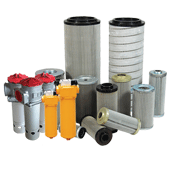
A: Liquid filter intercepts sediment, algae and colloids in raw water, prevents food-grade RO membranes from rapid fouling, reduces chemical cleaning frequency and avoids microbial breeding inside the equipment.
FAQ4
Q: Will reverse osmosis remove all minerals and affect wine flavor?
A: We can adjust system recovery rate to retain appropriate mineral components. If ultra-low mineral water is obtained, re-mineralization equipment can be matched to precisely adjust ion content to fit brewing formula.
FAQ5
Q: Can this brewing water RO system run continuously during winery fermentation season?
A: Yes. The equipment is designed for long-term continuous operation. Automatic flushing function is equipped to reduce pollutant accumulation and adapt to uninterrupted production rhythm of wineries in brewing season.
FAQ6
Q: What regular maintenance needs to be done for brewing RO equipment?
A: Regularly replace filter cartridges inside liquid filter; inspect dosing system; enable automatic membrane flushing; test effluent water quality every week; carry out food-grade chemical cleaning when membrane fouling occurs.
Other products you want to know about:
Self Cleaning Filters
Ultrafiltration equipment
High Flow Cartridge Filter