RO Equipment for Electroplating /Wastewater Reuse and Resource Recovery
RO equipment for electroplating/wastewater reuse is a customized membrane separation system designed to recycle electroplating rinse wastewater and reduce industrial freshwater consumption. It is equipped with high-precision liquid filter as essential pretreatment barrier to intercept suspended solids and colloidal contaminants before water enters RO modules. This industrial water treatment unit can be combined with mature systems such as Reverse Osmosis Systems-Water Filters to build a full-process wastewater reuse solution. It efficiently removes heavy metal ions, soluble salts and residual plating agents to produce reusable process water. Widely deployed in electroplating workshops and metal surface treatment factories, this article elaborates product composition, working principle, technical indicators, quality standards, application scenarios and common operational challenges to support your electroplating wastewater treatment project planning.

1. Product Introduction
RO equipment for electroplating/wastewater reuse is industrial anti-fouling reverse osmosis equipment developed for the complex water quality characteristics of electroplating production wastewater. Electroplating wastewater contains heavy metal ions, suspended metal particles, residual acid and alkali reagents and high-concentration soluble salts. Traditional precipitation treatment can only remove part of suspended sludge, and cannot separate dissolved salts and trace heavy metals. The effluent cannot be directly reused for production, leading to high water purchase cost and huge environmental compliance pressure for electroplating enterprises. Reverse osmosis membrane separation technology solves this pain point fundamentally and becomes core supporting equipment for water conservation and emission reduction in electroplating industry.
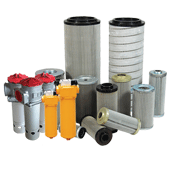
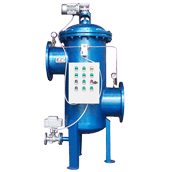
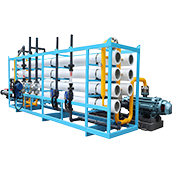
The whole equipment adopts heavy-duty anti-corrosion skid-mounted integrated design, adapting to humid, slightly acid and alkaline electroplating workshop environment. The front pretreatment system is equipped with high-performance liquid filter to intercept metal dust, sludge and colloidal impurities, avoiding irreversible fouling and scaling of subsequent RO membrane elements.
For systematic process matching and operation reference, you can browse related articles including Decoding Reverse Osmosis: Water Purification and Unlocking the Power of RO for Water Treatment, to optimize the pretreatment combination scheme.
Different from ordinary pure water reverse osmosis equipment, electroplating wastewater reuse RO equipment adopts reinforced anti-fouling membrane configuration and supports long-term uninterrupted continuous operation. After membrane separation, qualified low-conductivity permeate water can be reused for workpiece rinsing, plating bath water replenishment and workshop ground cleaning. Concentrated wastewater enriched with heavy metals and salts can be delivered to subsequent heavy metal recovery or advanced treatment units according to local environmental protection regulations. For large electroplating industrial parks, multiple units can run in parallel to expand overall wastewater treatment capacity, realizing large-scale resource recycling.

2. Working Principle of RO Equipment For Electroplating/Wastewater Reuse
Reverse osmosis is pressure-driven physical membrane separation technology. When the external driving pressure exceeds the natural osmotic pressure of wastewater, water molecules pass through semi-permeable reverse osmosis membranes. Heavy metal ions, soluble salts, macromolecular organic pollutants and fine suspended particles are trapped on the concentrated water side, realizing separation between reusable clean water and high-pollution concentrated wastewater.
The complete electroplating wastewater reuse treatment workflow is divided into four core stages:
Stage1: Multi-stage precision pretreatment filtration
Collected electroplating wastewater sequentially flows through multi-media filter, activated carbon filter and liquid filter. This step reduces wastewater turbidity and SDI value, removes oil stains and suspended sludge, and provides qualified inflow conditions for the RO main unit.
Stage2: Automatic dosing adjustment and pressurization
The dosing system quantitatively adds scale inhibitor and biocide to suppress membrane surface scaling and microbial reproduction. Qualified pretreated wastewater is boosted by anti-corrosion high-pressure pump to reach the rated operating pressure of RO membrane elements.
Stage3: Reverse osmosis deep purification separation
Pressurized wastewater enters membrane pressure vessels. Anti-fouling RO membranes intercept pollutants, and raw water is split into two streams: reusable purified permeate water and high-concentration pollutant-enriched concentrated wastewater.
Stage4: Intelligent monitoring and automatic flushing
Built-in PLC control system continuously monitors water conductivity, operating pressure and tank liquid level. Automatic cross-flow flushing will be activated during shutdown to wash pollutants attached on membrane surfaces. Operators can set automatic operation cycles according to the continuous production rhythm of electroplating lines.
If higher purity reuse water is required, two-stage reverse osmosis configuration can be adopted to further improve the removal efficiency of trace impurities.
3. Core Technical Parameters
We carry out personalized customized design according to daily wastewater output, raw water quality and reuse standard of electroplating factories. Standard technical indicators are as follows:
Treatment capacity: 0.5m³/h ~ 100m³/h, customizable to match small workshops and large industrial parks
Single-pass salt rejection rate: ≥97%, heavy metal interception efficiency ≥99%
System water recovery rate: 60% ~ 75%, adjustable based on raw water TDS value
Permeate water conductivity: ≤50μS/cm, meeting general electroplating rinsing water requirements
Inlet water requirements after pretreatment: Turbidity ≤1 NTU, SDI ≤5, residual chlorine <0.1mg/L
Working temperature: 5℃ ~ 40℃, suitable for all-season workshop operation
Control mode: Full-automatic PLC intelligent control, equipped with online conductivity monitor, high-low pressure protection and automatic membrane flushing
Optional materials: FRP or 316L stainless steel membrane housing; anti-corrosion UPVC or stainless steel pipeline; dedicated anti-fouling RO membrane for complex industrial wastewater

4. Product Quality Standard
All RO equipment for electroplating/wastewater reuse implements strict industrial environmental water treatment equipment specifications.
Firstly, core RO membrane elements adopt high anti-fouling membrane suitable for electroplating wastewater. The supporting liquid filter uses high dirt-holding filter material to ensure stable pretreatment filtration effect. Key components including high-pressure pumps, sensors and valves select anti-corrosion industrial brands to adapt long-term heavy-load operation.
Secondly, every complete set of equipment passes hydraulic pressure test and 72-hour continuous running test before delivery. The skid base adopts heavy-duty anti-rust and anti-corrosion coating to adapt corrosive workshop environment. We provide complete P&ID flow diagrams, installation guidelines and operation manuals.
You can refer to professional article Revolutionary Advancements in Reverse Osmosis to learn standard maintenance specifications for long-term stable operation.
Thirdly, our professional technical team provides remote online guidance and optional on-site commissioning service. Standardized maintenance plans effectively slow down membrane fouling, extend membrane service life and avoid unexpected shutdown that interrupts electroplating production.
5. Application Fields of RO Equipment For Electroplating/Wastewater Reuse
This dedicated electroplating wastewater reuse reverse osmosis system is widely applied in metal surface treatment industries:
Electroplating production lines: Zinc plating, nickel plating, chrome plating, copper plating rinse wastewater treatment and recycling
Hardware alloy parts anodizing, phosphating and passivation wastewater advanced purification
Small and medium-sized electroplating workshops decentralized water-saving renovation project
Large electroplating industrial park centralized wastewater resource recovery supporting facilities
Precision electronic component electroplating and micro-etching wastewater treatment
Old electroplating factory environmental upgrading and zero liquid discharge transformation
Water quality of electroplating wastewater varies greatly according to different plating processes. Our engineers optimize pretreatment scheme and membrane selection after analyzing on-site water sample test reports, to match local reuse and environmental discharge standards.
Frequently Asked Questions
FAQ1
Q: What are the advantages of RO reuse equipment compared with traditional precipitation wastewater treatment process?
A: Traditional precipitation process can only remove suspended sludge and partial heavy metals, and cannot remove dissolved salts, so treated water cannot be recycled. RO equipment realizes synchronous removal of heavy metal ions and soluble salts. The output purified water can be reused in production, greatly cutting freshwater purchase cost and wastewater discharge expense.
FAQ2
Q: Can the permeate water treated by this RO equipment be directly used for electroplating workpiece rinsing?
A: Yes. The purified water features low conductivity and low residual heavy metal content, which meets the water demand of conventional electroplating rinsing process. For high-standard functional plating and precision decorative plating, you can upgrade to two-stage reverse osmosis configuration to obtain higher-quality process water.
FAQ3
Q: Is liquid filter indispensable in the pretreatment section?
A: Absolutely necessary. Electroplating wastewater contains metal powder, colloids and fine sludge. High-precision liquid filter intercepts these particulate pollutants in advance, prevents rapid membrane fouling under high pressure, reduces chemical cleaning frequency and extends the service life of expensive RO membrane elements.
FAQ4
Q: Can this RO system run 24 hours continuously matching electroplating production lines?
A: Yes. The whole system is optimized for uninterrupted industrial continuous operation, equipped with anti-fouling membrane and anti-corrosion pipeline accessories. The built-in automatic flushing function effectively avoids pollutant accumulation during long-term continuous operation.
FAQ5
Q: How to slow down membrane scaling and fouling in daily operation?
A: Keep the front-end liquid filter working normally; add scale inhibitor and biocide according to water quality; activate regular automatic cross-flow flushing; carry out professional chemical cleaning when water flow and effluent water quality decline significantly.
FAQ6
Q: How should enterprises dispose of concentrated wastewater generated from reverse osmosis separation?
A: Concentrated wastewater contains high concentration heavy metals and soluble salts, which cannot be directly discharged. It must be transported to heavy metal recovery equipment or further evaporation treatment in strict accordance with local environmental protection laws and regulations.
Other products you may want to know about:
Ultrafiltration equipment
Self Cleaning Filters
High-Flow Filter Cartridges