5 Tons/Hour Reverse Osmosis Equipment: A Comprehensive Guide to Efficient Water Purification
In an era where access to clean, safe water is becoming increasingly critical for industries, communities, and commercial establishments, reverse osmosis (RO) technology has emerged as a reliable and efficient solution for water purification. Among the wide range of RO systems available in the market, the 5 tons/hour reverse osmosis equipment stands out as a versatile and high-performance option, designed to meet moderate to large-scale water treatment needs. This comprehensive article delves into every aspect of 5 tons/hour RO equipment, including its product overview, key features and advantages, working principle, application scenarios, technical specifications, maintenance requirements, frequently asked questions, and a concluding summary, providing readers with a thorough understanding of this essential water treatment system.
1. Product Introduction
The 5 tons/hour reverse osmosis equipment is a semi-industrial to industrial-grade water purification system engineered to produce high-quality treated water at a steady flow rate of 5 tons (5,000 liters) per hour. This system integrates advanced reverse osmosis technology with pre-treatment and post-treatment modules, ensuring that raw water—whether from municipal supplies, groundwater, surface water, or industrial wastewater—is effectively purified to meet stringent quality standards. Unlike small-scale RO systems designed for residential or small commercial use, the 5 tons/hour model is built for continuous operation, durability, and scalability, making it suitable for a wide array of applications where consistent water quality and quantity are non-negotiable.
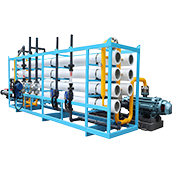
At its core, the system consists of several key components: a pre-treatment unit (including sediment filters, carbon filters, and softeners), high-pressure pumps, RO membranes, a post-treatment unit (such as UV sterilizers or activated carbon filters), control panels, and storage tanks. Each component is carefully selected and integrated to optimize performance, minimize energy consumption, and reduce operational costs. The system is typically constructed with corrosion-resistant materials (such as stainless steel and FRP) to withstand harsh operating conditions and ensure a long service life, even in demanding environments like chemical plants or coastal areas with high salinity.
Whether used for drinking water production, industrial process water, wastewater reuse, or groundwater remediation, the 5 tons/hour RO equipment delivers consistent results, removing up to 99% of dissolved solids, heavy metals, organic contaminants, bacteria, viruses, and other impurities from raw water. Its modular design allows for easy installation, expansion, and modification, making it adaptable to changing water treatment needs over time.
2. Key Features and Advantages
The 5 tons/hour reverse osmosis equipment offers a host of features and advantages that set it apart from other water treatment systems, making it a preferred choice for businesses and organizations worldwide. Below are the most notable features and their corresponding benefits:
2.1 High Efficiency and Steady Output
Equipped with high-performance RO membranes (typically thin-film composite, TFC, membranes) and energy-efficient high-pressure pumps, the system delivers a consistent flow rate of 5 tons per hour, even under varying raw water conditions. The TFC membranes have a high rejection rate (up to 99.5% for dissolved solids), ensuring that the treated water meets the highest quality standards. Additionally, the system’s efficient design minimizes water wastage, with a typical recovery rate of 50-70%, meaning that 50-70% of the raw water is converted into treated water, reducing operational costs and environmental impact.
2.2 Modular and Compact Design
Despite its high output capacity, the 5 tons/hour RO equipment features a modular and compact design, making it suitable for installations where space is limited. The pre-treatment, RO, and post-treatment modules are designed to be easily assembled and disassembled, allowing for flexible installation and future expansion. This modular design also simplifies maintenance, as individual components can be accessed and replaced without disrupting the entire system.
2.3 Corrosion Resistance and Durability
The system’s main components, including the pressure vessels, pipelines, and filters, are constructed with high-quality corrosion-resistant materials such as stainless steel (304 or 316L), FRP (fiberglass-reinforced plastic), and PVC (polyvinyl chloride). These materials are resistant to corrosion, scaling, and chemical damage, ensuring a long service life of 10-15 years with proper maintenance. This durability makes the system ideal for use in harsh environments, such as coastal areas with high salt content or industrial facilities with aggressive wastewater.
2.4 Automated Operation and Easy Control
The 5 tons/hour RO equipment is equipped with an advanced PLC (Programmable Logic Controller) control system and a user-friendly touchscreen interface, enabling fully automated operation. The system can be set to run continuously or on a scheduled basis, and it includes built-in safety features such as low-pressure protection, high-pressure protection, and water level control. The touchscreen interface allows operators to monitor key parameters (such as flow rate, pressure, conductivity, and pH) in real time, and it provides alerts for potential issues (such as membrane fouling or pump failure), ensuring timely maintenance and minimizing downtime.
2.5 Cost-Effective Operation
Compared to other water treatment technologies (such as distillation or ion exchange), the 5 tons/hour RO equipment offers lower operational costs. Its energy-efficient pumps and high recovery rate reduce electricity and water consumption, while the long service life of the membranes and other components minimizes replacement costs. Additionally, the system requires minimal manual intervention, reducing labor costs associated with operation and maintenance.
2.6 Environmentally Friendly
The RO process is a physical separation method that does not require the use of chemicals (such as chlorine or coagulants) for purification, making it environmentally friendly. The system produces minimal waste, and the concentrate (the small percentage of raw water that is not converted into treated water) can often be reused for non-potable purposes (such as irrigation or industrial cooling), further reducing environmental impact. Additionally, the system’s energy efficiency reduces carbon emissions, contributing to a more sustainable operation.
3. Working Principle
The 5 tons/hour reverse osmosis equipment operates based on the principle of reverse osmosis, a physical process that uses pressure to force water molecules through a semi-permeable membrane, separating them from dissolved solids, contaminants, and other impurities. To understand the working principle, it is first important to understand the concept of osmosis: in nature, water molecules move from an area of low solute concentration (dilute solution) to an area of high solute concentration (concentrated solution) through a semi-permeable membrane, until equilibrium is reached. Reverse osmosis reverses this process by applying external pressure greater than the osmotic pressure, forcing water molecules to move from the concentrated solution (raw water) to the dilute solution (treated water), while the membrane blocks the passage of solutes and contaminants.
The working process of the 5 tons/hour RO equipment can be divided into four main stages:
3.1 Pre-Treatment
Raw water first enters the pre-treatment unit, which is designed to remove large particles, sediment, organic matter, chlorine, and hardness (calcium and magnesium ions) that could damage the RO membranes or reduce their performance. The pre-treatment unit typically includes: (1) a sediment filter (5μm or 1μm) to remove suspended solids, dirt, and debris; (2) an activated carbon filter to adsorb organic matter, chlorine, and odors; and (3) a water softener (ion exchange resin) to remove hardness ions, preventing scaling on the RO membranes. Some systems may also include a保安 filter (0.2μm) as a final pre-treatment step to remove any remaining fine particles before the water enters the RO module.
3.2 High-Pressure Pumping
After pre-treatment, the water is pumped into the RO module by a high-pressure pump. The pump applies the necessary pressure (typically 150-300 psi, depending on the salinity of the raw water) to overcome the osmotic pressure and force the water through the RO membranes. The high-pressure pump is designed to be energy-efficient, with variable frequency drive (VFD) technology available in some models to adjust the pressure based on the raw water conditions, further optimizing energy consumption.
3.3 Reverse Osmosis Separation
The RO module contains multiple RO membranes (typically 4-8 membranes, depending on the system configuration) arranged in pressure vessels. Each RO membrane is a semi-permeable membrane with tiny pores (approximately 0.0001μm in size) that allow water molecules to pass through but block the passage of dissolved solids (such as salt ions), heavy metals (such as lead, arsenic, and mercury), organic contaminants (such as pesticides and pharmaceuticals), bacteria, viruses, and other impurities. As the high-pressure water flows through the membranes, two streams are produced: (1) permeate (treated water), which passes through the membranes and is collected for use; and (2) concentrate (reject water), which contains the rejected impurities and is either discharged or reused for non-potable purposes.
3.4 Post-Treatment
The permeate (treated water) from the RO module is then sent to the post-treatment unit to further improve its quality and ensure it meets the specific requirements of the application. Post-treatment may include: (1) a UV sterilizer to kill any remaining bacteria or viruses; (2) an activated carbon filter to remove any residual odors or tastes; (3) a pH adjustment module to correct the pH level of the treated water (RO water is typically slightly acidic); and (4) a mineralization filter to add essential minerals (such as calcium and magnesium) back into the water, improving its taste and nutritional value (for drinking water applications). The treated water is then stored in a storage tank until it is needed.
4. Application Scenarios
The 5 tons/hour reverse osmosis equipment is a versatile system that can be used in a wide range of applications, thanks to its high output capacity, consistent water quality, and adaptability. Below are the most common application scenarios:
4.1 Drinking Water Production
One of the most common applications of the 5 tons/hour RO equipment is the production of drinking water for communities, schools, hospitals, hotels, and commercial buildings. The system effectively removes contaminants such as salt, heavy metals, bacteria, viruses, and organic matter from raw water (groundwater, surface water, or municipal water), producing clean, safe drinking water that meets national and international standards (such as WHO guidelines). The system’s steady output of 5 tons per hour is sufficient to meet the drinking water needs of a medium-sized community (approximately 2,000-3,000 people) or a large commercial establishment (such as a hotel with 500 rooms).
4.2 Industrial Process Water
Many industries require high-quality process water with low levels of dissolved solids and contaminants to ensure the quality of their products and the efficiency of their equipment. The 5 tons/hour RO equipment is widely used in industries such as food and beverage, pharmaceutical, electronics, textile, and chemical manufacturing. For example, in the food and beverage industry, the system is used to produce pure water for beverage production, food processing, and cleaning; in the pharmaceutical industry, it is used to produce purified water for drug formulation and equipment cleaning; and in the electronics industry, it is used to produce deionized water for semiconductor manufacturing and circuit board cleaning.
4.3 Wastewater Reuse
With the growing emphasis on water conservation and environmental protection, wastewater reuse has become an important strategy for reducing water scarcity. The 5 tons/hour RO equipment is used to treat industrial wastewater and municipal wastewater, converting it into reusable water for non-potable purposes such as irrigation, industrial cooling, and toilet flushing. The system effectively removes contaminants from wastewater, ensuring that the reused water meets the required standards and does not cause environmental harm. This application not only reduces water consumption but also reduces the amount of wastewater discharged into rivers and oceans.
4.4 Groundwater Remediation
Groundwater is a valuable source of drinking water and process water, but it is often contaminated by industrial activities, agricultural runoff, or improper waste disposal. The 5 tons/hour RO equipment is used to remediate contaminated groundwater, removing contaminants such as heavy metals, organic compounds, and nitrates, and restoring the groundwater to a usable condition. This application is particularly important in areas where groundwater contamination is a serious problem, such as near industrial sites or agricultural areas.
4.5 Desalination of Brackish Water and Seawater
In coastal areas and regions with high groundwater salinity, the 5 tons/hour RO equipment is used for the desalination of brackish water (water with a salt content of 1,000-10,000 ppm) and seawater (water with a salt content of 35,000 ppm or higher). The system’s high-pressure pumps and efficient RO membranes are capable of removing salt ions from brackish water and seawater, producing fresh water for drinking, irrigation, and industrial use. While seawater desalination requires higher pressure (typically 800-1,200 psi) than brackish water desalination, the 5 tons/hour model can be configured with high-pressure pumps and specialized membranes to handle seawater desalination applications.
5. Technical Data
The following are the typical technical specifications of the 5 tons/hour reverse osmosis equipment. Note that some parameters may vary slightly depending on the manufacturer, membrane type, and system configuration:
Parameter | Specification |
|---|
Production Capacity | 5 tons/hour (5,000 L/hour) at 25℃ |
Raw Water Source | Municipal water, groundwater, surface water, brackish water, seawater (optional) |
Raw Water Temperature | 5-45℃ (optimal: 20-25℃) |
Raw Water pH Range | 2-11 (optimal: 6.5-8.5) |
Raw Water Turbidity | ≤5 NTU (pre-treatment required if >5 NTU) |
RO Membrane Type | Thin-Film Composite (TFC) polyamide |
Number of RO Membranes | 4-8 pieces (8040 model) |
Rejection Rate | ≥99% for dissolved solids (TDS), ≥99.5% for heavy metals, ≥99.9% for bacteria/viruses |
Operating Pressure | 150-300 psi (brackish water); 800-1,200 psi (seawater, optional) |
Recovery Rate | 50-70% (adjustable) |
Treated Water TDS | ≤50 ppm (depending on raw water TDS) |
Power Supply | 380V, 50Hz, 3-phase; Power Consumption: 5-8 kW |
Control System | PLC control with touchscreen interface, fully automated |
Material of Construction | Stainless steel (304/316L), FRP, PVC |
Dimensions (L×W×H) | 300×150×200 cm (approx., depending on configuration) |
Weight | 500-800 kg (approx., depending on configuration) |
Service Life | 10-15 years (system), 2-3 years (RO membranes, with proper maintenance) |
6. Maintenance Requirements
Proper maintenance is essential to ensure the long-term performance, reliability, and efficiency of the 5 tons/hour reverse osmosis equipment. Regular maintenance not only extends the service life of the system and its components but also ensures that the treated water meets the required quality standards. Below is a comprehensive maintenance schedule and guidelines:
6.1 Daily Maintenance
Check the system’s operating parameters (flow rate, pressure, conductivity, pH) on the touchscreen interface and record them in a logbook. Ensure that all parameters are within the recommended range.
Inspect the pre-treatment filters (sediment, carbon) for signs of clogging (e.g., low flow rate, high pressure drop). If clogging is detected, clean or replace the filter cartridges.
Check the high-pressure pump for unusual noise, vibration, or leakage. Ensure that the pump is operating smoothly.
Inspect the storage tank for water level and ensure that the level control system is working properly.
Check the concentrate discharge line for blockages or leakage. Ensure that the concentrate is being discharged or reused properly.
6.2 Weekly Maintenance
Clean the pre-treatment filters (sediment, carbon) by backwashing (if applicable) to remove accumulated particles and extend their service life.
Inspect the RO membranes for signs of fouling (e.g., high pressure drop, low permeate flow rate, high permeate TDS). If fouling is detected, perform a chemical cleaning (see section 6.4).
Check the seals and gaskets of the RO pressure vessels for leakage and replace them if necessary.
Inspect the post-treatment units (UV sterilizer, activated carbon filter) for proper operation. Clean the UV lamp housing if there is any dirt or debris.
6.3 Monthly Maintenance
Replace the sediment filter cartridge (5μm or 1μm) to prevent clogging and protect the RO membranes.
Replace the activated carbon filter cartridge to ensure effective adsorption of organic matter and chlorine.
Check the water softener (if applicable) for resin regeneration. Ensure that the regeneration cycle is working properly and add salt to the brine tank if necessary.
Calibrate the sensors (conductivity, pH, flow meter) to ensure accurate measurement of operating parameters.
Inspect the high-pressure pump’s lubrication system (if applicable) and add lubricant if necessary.
6.4 Quarterly Maintenance
Perform a chemical cleaning of the RO membranes to remove any accumulated fouling (organic, inorganic, or biological). The cleaning process typically involves circulating a cleaning solution (such as citric acid for inorganic fouling or sodium hydroxide for organic fouling) through the RO module at low pressure for 30-60 minutes, followed by flushing with clean water.
Inspect the RO membranes for damage (e.g., tears, holes) and replace any damaged membranes.
Clean the entire system (pipelines, pressure vessels, storage tank) to remove any accumulated dirt, debris, or bacteria.
Check the electrical components (control panel, wiring, motors) for signs of damage or overheating. Tighten any loose connections.
6.5 Annual Maintenance
Replace the RO membranes (typically every 2-3 years, depending on usage and maintenance). New membranes will restore the system’s performance and ensure high-quality treated water.
Inspect and replace any worn or damaged components (pumps, valves, seals, gaskets) to prevent system failure.
Perform a comprehensive system test to ensure that all components are working properly and that the treated water meets the required quality standards.
Review the maintenance logbook to identify any recurring issues and adjust the maintenance schedule if necessary.
6.6 Maintenance Tips
Always follow the manufacturer’s maintenance guidelines and use genuine replacement parts to ensure the system’s performance and safety.
Store replacement parts (filters, membranes, seals) in a clean, dry place to prevent damage or contamination.
Train operators on proper maintenance procedures to ensure that maintenance tasks are performed correctly and safely.
If the system is not going to be used for an extended period (more than 1 week), flush the RO membranes with clean water and add a preservative solution to prevent membrane damage and bacterial growth.
Keep the area around the system clean and free of debris to ensure easy access for maintenance and operation.
7. Frequently Asked Questions (FAQs)
Below are 8 frequently asked questions about the 5 tons/hour reverse osmosis equipment, along with detailed answers to help users better understand the system and its operation:
Q1: What is the difference between brackish water RO and seawater RO for the 5 tons/hour system?
A1: The main difference lies in the operating pressure and membrane type. Brackish water RO systems (for water with 1,000-10,000 ppm TDS) operate at 150-300 psi and use standard TFC membranes, while seawater RO systems (for water with ≥35,000 ppm TDS) require higher pressure (800-1,200 psi) and specialized seawater RO membranes with higher salt rejection rates. The 5 tons/hour system can be configured for either application, but seawater models require more robust high-pressure pumps and pressure vessels to handle the higher pressure.
Q2: How much electricity does the 5 tons/hour RO equipment consume?
A2: The power consumption of the 5 tons/hour RO equipment typically ranges from 5-8 kW per hour, depending on the raw water salinity, operating pressure, and pump efficiency. Systems with VFD (Variable Frequency Drive) technology consume less electricity, as they adjust the pump speed based on raw water conditions. For example, a system treating brackish water (low TDS) will consume less power than a system treating seawater (high TDS).
Q3: Can the system handle raw water with high turbidity or high chlorine content?
A3: The system is designed to handle raw water with turbidity up to 5 NTU; however, if the raw water has higher turbidity (e.g., surface water after rain), additional pre-treatment (such as a coagulation-flocculation unit) is required to reduce turbidity before it enters the system. For raw water with high chlorine content (≥0.5 ppm), the activated carbon filter in the pre-treatment unit effectively removes chlorine, which can damage the RO membranes. If the chlorine content is extremely high, an additional dechlorination module (such as a sodium bisulfite injection system) can be added.
Q4: How often do I need to replace the RO membranes?
A4: The service life of RO membranes is typically 2-3 years, depending on the raw water quality, maintenance frequency, and system operation. If the system is properly maintained (regular cleaning, pre-treatment filter replacement), the membranes can last up to 4 years. Signs that the membranes need replacement include: significant decrease in permeate flow rate, increase in permeate TDS (above 50 ppm), or high pressure drop across the RO module (exceeding the manufacturer’s recommended limit).
Q5: What is the recovery rate of the system, and can it be adjusted?
A5: The typical recovery rate of the 5 tons/hour RO equipment is 50-70%, meaning that 50-70% of the raw water is converted into treated water, and 30-50% is discharged as concentrate. The recovery rate can be adjusted by modifying the flow rate of the concentrate discharge line; however, increasing the recovery rate too much (above 70%) can lead to membrane fouling and scaling, as the concentration of impurities in the concentrate increases. It is recommended to keep the recovery rate within the manufacturer’s recommended range to ensure optimal membrane performance.
Q6: Is the system easy to install and operate?
A6: Yes, the 5 tons/hour RO equipment is designed for easy installation and operation. The modular design allows for quick assembly and installation, and most manufacturers provide detailed installation instructions and on-site support if needed. The system is fully automated with a PLC control system and touchscreen interface, so operators only need minimal training to monitor and operate the system. The touchscreen interface provides real-time data and alerts, making it easy to identify and resolve any issues.
Q7: Can the system be expanded to increase production capacity?
A7: Yes, the modular design of the 5 tons/hour RO equipment allows for easy expansion. To increase production capacity, additional RO membrane modules can be added to the existing system, along with corresponding pre-treatment and post-treatment components. For example, adding 4 more RO membranes can increase the production capacity from 5 tons/hour to 10 tons/hour. The control system can also be upgraded to accommodate the expanded configuration, ensuring seamless operation.
Q8: What is the cost of operating and maintaining the system?
A8: The operating and maintenance cost of the 5 tons/hour RO equipment varies depending on the raw water quality, electricity cost, and maintenance frequency. Typically, the operating cost (electricity + water) is 0.1-0.3 USD per cubic meter of treated water. The maintenance cost (filter cartridges, membranes, chemicals) is approximately 0.05-0.15 USD per cubic meter of treated water. Over the system’s service life (10-15 years), the total cost is relatively low compared to other water treatment technologies, making it a cost-effective option for medium to large-scale water purification needs.
8. Conclusion
The 5 tons/hour reverse osmosis equipment is a reliable, efficient, and versatile water purification system that meets the moderate to large-scale water treatment needs of communities, industries, and commercial establishments. With its high output capacity, consistent water quality, and cost-effective operation, this system has become an essential tool for ensuring access to clean, safe water in a wide range of applications, from drinking water production to industrial process water and wastewater reuse.
The system’s advanced features—including high-efficiency RO membranes, automated operation, modular design, and corrosion resistance—make it stand out from other water treatment systems, while its comprehensive maintenance requirements ensure long-term performance and reliability. By understanding the system’s working principle, application scenarios, technical specifications, and maintenance guidelines, users can maximize the system’s efficiency and service life, ensuring that it continues to deliver high-quality treated water for years to come.
As water scarcity and environmental pollution continue to be global challenges, the 5 tons/hour reverse osmosis equipment plays a crucial role in promoting water conservation, environmental protection, and sustainable development. Whether used in a small community, a large industrial facility, or a commercial building, this system provides a practical and effective solution for meeting the growing demand for clean water, contributing to a healthier and more sustainable future.