Pall Ultipleat Element for Industrial Ultrafiltration Pretreatment
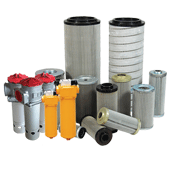
Pall Ultipleat Element is a well‑known pleated consumable for industrial ultrafiltration pretreatment. This high‑capacity liquid filter traps suspended particulates and lowers membrane fouling risk for downstream ultrafiltration membrane assemblies. Water‑treatment integrators can match this product with Replacement High Flow Filter Cartridge for Ultrafiltration System and other interchangeable filter elements to stabilise feed‑water quality for seawater desalination, power‑plant condensate treatment, electronics high‑purity water and industrial wastewater reuse projects. Buyers should verify filter housing dimensions and technical specifications before bulk procurement.
Product Introduction
Ultrafiltration equipment represents a core processing unit of modern industrial water‑treatment workflows. It effectively captures colloids, microorganisms and macromolecular organic pollutants, providing stable qualified feed‑water for subsequent reverse osmosis processes. Raw water obtained from surface water, seawater, groundwater and industrial reclaimed wastewater usually contains large volumes of silt, pipeline rust and suspended solid particles. Without reliable security pre‑filtration, solid contaminants will keep accumulating on ultrafiltration membrane surfaces, raise transmembrane pressure, increase chemical cleaning frequency, and significantly shorten the service life of high‑cost ultrafiltration membrane assemblies.
Pall Ultipleat Element is a mature high‑flow pleated filter element, specially engineered for front‑end security filtration of ultrafiltration systems. Interchangeable replacement elements strictly follow original installation dimensional standards, adopting reinforced composite pleated filter media and heavy‑duty end‑cap construction. Its exclusive ultipleat folding structure maximizes effective filtration area within limited filter housing space. Single filter element supports high‑volume water flow output. For large‑scale water‑treatment projects, fewer filter elements can satisfy overall system flow requirements. This advantage reduces required filter housing quantity, lowers on‑site installation workload and simplifies spare‑parts inventory management for water‑treatment stations.
When designing multi‑stage pretreatment workflows, many water‑treatment EPC suppliers select Pall Ultipleat Element and combine it with Replace High Flow Filter Element for Ultrafiltration System to realise graded interception of particles of varying sizes. Process engineers can refer to ultrafiltration pretreatment technical documents for configuration suggestions, optimise overall water‑treatment flow paths and avoid hidden operational risks caused by improper pre‑filtration setup.
It is worth emphasizing that Pall Ultipleat Element is a pre‑filtration consumable and cannot replace ultrafiltration equipment itself. It only completes physical interception of granular impurities, while ultrafiltration equipment undertakes separation tasks for colloids, bacteria and macromolecular organics. The two components form mutually complementary links in the whole water‑treatment chain. Many project purchasers focus heavily on ultrafiltration membrane parameters yet ignore matching performance of pre‑filtration elements. Once inferior alternative elements are selected, risks such as particle bypass and filter media fibre shedding may occur. Impurities flowing into ultrafiltration devices will scratch and contaminate membrane sheets, bringing extra expenditure for membrane replacement and system maintenance.
Under complex raw‑water working conditions including high‑turbidity surface water, algae‑rich seawater and industrial recycled wastewater, Pall Ultipleat Element can cooperate with sedimentation facilities. Large‑size particles settle inside sedimentation tanks firstly; most suspended solids get intercepted by high‑flow filter elements, and treated water with improved quality flows into ultrafiltration modules. Reasonable multi‑grade pre‑filtration reduces pollutant‑loading borne by ultrafiltration equipment and improves comprehensive economic benefits for long‑term system running.

Working Principle
Pall Ultipleat Element adopts thermal‑fusion bonded ultipleat‑structured filter media and cooperates with ultrafiltration equipment to achieve staged raw‑water purification. Raw water mixed with suspended impurities flows into filter housing and passes through compact pleated filter layers from outside to inside. Silt, rust fragments, granular debris and large suspended solids are trapped on the outer surface of filter elements and within pleat gaps. After pre‑filtration processing, water flows out from the central inner core and enters ultrafiltration equipment for further removal of colloidal substances and microbial pollutants.
Optimised ultipleat folding craftsmanship expands the effective filtration area of Pall Ultipleat Element. Under high‑flow operating conditions, it maintains relatively low initial pressure drop and delivers outstanding dirt‑holding performance. As intercepted pollutants keep accumulating, pressure difference between filter inlet and outlet rises gradually. On‑site operators need to monitor differential‑pressure readings regularly. When pressure difference reaches the recommended replacement threshold, filter elements should be replaced promptly.
If filter elements keep running beyond allowable pressure difference, pollutant bypass risk increases. Unfiltered solid particles flow into ultrafiltration units, possibly resulting in membrane clogging, surface abrasion and continuous flux attenuation. Users need to distinguish functional boundaries clearly: Pall Ultipleat Element completes physical particle interception during pretreatment phase, while ultrafiltration undertakes separation of colloidal and organic pollutants. Neither can substitute for the other. Without pre‑filtration protection of qualified filter elements, ultrafiltration membranes face higher particle‑erosion risk. Without ultrafiltration processing, pre‑treated water still cannot satisfy feed‑water requirements for reverse osmosis systems. Collaborative operation of pre‑filtration elements and ultrafiltration deserves full consideration during industrial water‑treatment process design.
Technical Parameters
| Item | Specification |
|---|
| Product Reference | Pall Ultipleat Element,interchangeable ultipleat pleated high‑flow element |
| Filter Media | Reinforced composite pleated media |
| End‑cap Material | Reinforced engineering plastic |
| Nominal Length | 40 / 60 inch (optional) |
| Outer Diameter | 152 mm |
| Nominal Micron Rating | 1‑100 μm (optional) |
| Typical Single‑element Flow Rate | 12‑110 m³/h |
| Max Operating Temperature | 60℃ |
| Maximum Working Pressure | 2.45 MPa |
| Suggested Initial ΔP | ≤0.02 MPa |
| Recommended Replacement Differential Pressure | 0.10‑0.14 MPa |
| Typical Process Flow | Raw water‑Pall Ultipleat Element‑Ultrafiltration‑Reverse Osmosis |
Parameters can be adjusted according to on‑site raw‑water turbidity, total system flow and ultrafiltration equipment design targets. Professional filter suppliers can provide targeted selection suggestions for seawater desalination, power‑plant make‑up water, electronics high‑purity water and wastewater reuse projects.
Quality Assurance
The performance of Pall Ultipleat Element directly influences operating status of high‑value downstream ultrafiltration membrane assemblies. Inferior filter elements may suffer fibre shedding, media deformation and particle bypass under long‑term high‑flow impact, which will trigger membrane damage and continuous flux decline.
Reliable manufacturers produce compatible Pall Ultipleat Element under ISO9001 quality‑management frameworks. Incoming raw materials go through strict inspection procedures to reduce loose‑fibre risks. Automatic ultipleat pleating equipment guarantees uniform pleat density and maximises effective filtration area. Thermal‑fusion welding connects filter media and end‑caps without liquid adhesive, avoiding secondary pollution brought by glue. Before shipment, finished filter elements complete hydraulic resistance test, bubble‑point inspection and high‑flow pressure‑drop performance testing.
For large‑scale EPC water‑treatment projects, batch inspection reports can be provided upon request. Qualified suppliers deliver technical guidance covering installation steps, differential‑pressure monitoring and reference replacement cycles. Trustworthy interchangeable filter elements help lower unexpected‑shutdown risks and protect customers’ investment on ultrafiltration and reverse osmosis systems.

Application Fields
Pall Ultipleat Element is widely deployed in industrial projects equipped with ultrafiltration pretreatment processes.
Seawater and Brackish‑water Desalination: Pre‑filtration ahead of ultrafiltration modules for sediment and suspended‑solids removal.
Power‑Plant Condensate & Boiler Make‑up Water: Security pre‑filtration for boiler feed‑water ultrafiltration production lines.
Industrial Wastewater Reuse: Front‑end particle removal for factory wastewater recycling matched with ultrafiltration.
Electronics High‑purity Water Production: Pretreatment for electronic‑grade process‑water manufacturing.
Municipal Sewage Advanced Reclamation: Pre‑filtration cooperating with ultrafiltration for municipal water reuse projects.
Chemical Industrial Process Water: Raw‑water pretreatment for chemical production water‑treatment workflows.
Within these application scenarios, Pall Ultipleat Element undertakes front‑stage particle interception work, lowers pollutant‑load for ultrafiltration equipment, improves overall system stability and cuts long‑term operation‑and‑maintenance expenditure.
FAQ
Q1: What role does Pall Ultipleat Element play in ultrafiltration pretreatment?
A1: It acts as security pre‑filter for ultrafiltration systems. It intercepts silt, rust fragments and suspended solid particles, reduces particle‑impact risk and protects ultrafiltration membranes from scratching and blocking.
Q2: Can Pall Ultipleat Element replace ultrafiltration equipment?
A2: No. This filter element only removes granular impurities. It cannot separate colloids, bacteria and macromolecular organics. Ultrafiltration equipment is still required to get qualified RO feed‑water quality.
Q3: What working conditions suit Pall Ultipleat Element?
A3: It is suitable for raw water with different turbidity as first‑stage pre‑filtration. It has large dirt‑holding capacity and is often matched with finer‑grade filter elements for two‑stage pretreatment before ultrafiltration membrane modules.
Q4: What damage will low‑quality Pall Ultipleat Element bring to ultrafiltration systems?
A4: Inferior filter elements may lead to fibre shedding, media damage and particle bypass. Impurities flowing into ultrafiltration units will cause membrane fouling, abrasion and increase system‑maintenance frequency.
Q5: When should site‑operators replace Pall Ultipleat Element?
A5: It is advised to replace filter elements when inlet‑outlet differential pressure reaches 0.10‑0.14 MPa. Under high‑turbidity raw‑water conditions, replacement cycles will be shortened correspondingly.
Q6: What details should buyers confirm when purchasing interchangeable Pall Ultipleat Element?
A6: Buyers need to confirm housing dimensional compatibility, micron rating, flow‑rate parameters, factory‑test records and supplier technical‑support capacity to satisfy real‑world project requirements.
Other products you may want to know about:
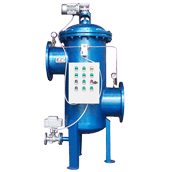
self-cleaning filter
cartridge filter housing
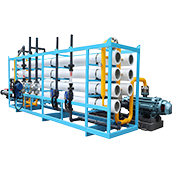
reverse osmosis equipment