Anti-Fouling Spiral Wound RO Membrane Element for Industrial Water Treatment
Product Introduction
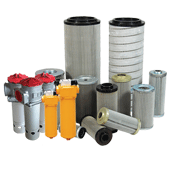
As a professional manufacturer supplying a full series of Liquid Filters, we provide complete industrial filtration solutions for water treatment. Our Anti-Fouling Spiral Wound RO Membrane Element is a high-performance reverse osmosis membrane specifically engineered for challenging industrial water treatment applications where fouling control and long-term operational stability are critical.
Fouling remains the single greatest operational challenge for reverse osmosis systems, leading to decreased performance, increased energy consumption, and shortened membrane lifespan . Conventional membranes are particularly vulnerable to organic and biological fouling, which accelerates the accumulation of particulate matter on the membrane surface and drives up maintenance frequency[1] . In industrial sectors such as power generation, chemical processing, pharmaceuticals, and food and beverage production, the consequences of membrane fouling translate directly into costly downtime and reduced production capacity. Manufactured under strict quality control systems in an ISO 9001:2015 certified facility, this spiral wound RO membrane is engineered with advanced surface properties that actively resist fouling. Through optimized membrane hydrophilicity and reduced surface roughness, the element minimizes contaminant adhesion and extends cleaning intervals. The standard spiral-wound configuration ensures direct compatibility with existing RO pressure vessels, enabling seamless integration without system modifications. For detailed technical specifications and application guidelines, please visit our dedicated product page.

Working Principle
This reverse osmosis membrane achieves effective water treatment through the well-established pressure-driven separation process that combines size exclusion, electrostatic repulsion, and physicochemical interactions between the membrane surface and dissolved solutes . The polyamide thin-film composite separation layer features a dense, cross-linked aromatic polyamide structure that blocks dissolved salts, organic compounds, and suspended contaminants while allowing water molecules to pass through under applied pressure.
The anti-fouling characteristic of this membrane is achieved through tailored surface chemistry and morphology. Research has demonstrated that membrane hydrophilicity, surface roughness, and surface charge significantly influence fouling propensity . Our membrane design reduces surface roughness and enhances hydrophilicity, which limits the adhesion of organic matter, colloids, and microorganisms to the membrane surface . The smooth surface also resists biofilm formation — a particularly challenging problem in industrial systems where biological growth accelerates flux decline.
In addition to physical sieving, the membrane surface carries a stable negative electrostatic charge that repels negatively charged colloids and organic macromolecules — a mechanism that further reduces the accumulation of foulants on the membrane surface. This electrostatic repulsion works alongside the physical barrier to maintain consistent permeate quality and stable flux during continuous operation.

Technical Parameters
All RO membrane elements in this series are manufactured in accordance with standardized industrial specifications:
Specification: Polyamide Thin-Film Composite (TFC)
Parameter: ConfigurationSpecification: Spiral wound
Parameter: Nominal Active Surface AreaSpecification: 440 ft² (41 m²)
Parameter: Permeate Flow RateSpecification: 12,650 gpd (48 m³/d)
Parameter: Stabilized Salt RejectionSpecification: 99.7%
Parameter: Maximum Operating PressureSpecification: 600 psi (4.14 MPa)
Parameter: Maximum Operating TemperatureSpecification: 113°F (45°C)
Parameter: Maximum Pressure DropSpecification: 15 psig (1.0 bar)
Parameter: pH Range (Continuous Operation)Specification: 2.0 – 11.0
Parameter: pH Range (Short-Term Cleaning)Specification: 1.0 – 13.0
Parameter: Maximum Feed Silt Density Index (SDI)Specification: ≤5
Parameter: Free Chlorine ToleranceSpecification: < 0.1 ppm
Parameter: Design Service LifeSpecification: 3–5 years with proper pretreatment
These performance specifications are verified through individual element testing prior to shipment, with complete test reports and batch traceability documentation provided for each delivery.
Product Advantages
This Anti-Fouling Spiral Wound RO Membrane Element delivers exceptional value for industrial water treatment operators through its unique combination of fouling resistance, stable rejection performance, and reduced maintenance requirements. The membrane's advanced polyamide formulation and optimized surface properties directly address the operational pain points that plant managers face daily — frequent cleaning cycles, declining permeate flux, and premature membrane replacement.
The enhanced hydrophilicity and reduced surface roughness of the membrane surface minimize the adhesion of organic matter, colloids, and microorganisms, significantly extending cleaning intervals. Research has shown that improved surface properties can substantially reduce the frequency of cleaning events and the associated chemical consumption . With a guaranteed minimum salt rejection rate of 99.7%, this brackish water RO membrane maintains stable permeate quality even with fluctuating feed water conditions, making it suitable for applications requiring high-purity water in electronics, pharmaceutical, and power generation industries.
The exceptionally wide 1.0–13.0 pH cleaning range accommodates both acid and alkaline cleaning protocols, enabling effective removal of scale, biofilms, and colloidal deposits without damaging the membrane layer. After exposure to aggressive cleaning conditions, the membrane demonstrates good flux recovery, ensuring sustained performance over multiple cleaning cycles. This robust chemical tolerance translates directly to lower operating costs and extended membrane service life.
The standard 8040 dimensions ensure universal compatibility with all major RO pressure vessel brands, allowing direct drop-in replacement for existing membrane elements with no system modification required. This plug-and-play design enables plant operators to upgrade to superior anti-fouling performance with minimal downtime.
Application Fields
With its robust combination of fouling resistance, high salt rejection, and chemical stability, this anti-fouling RO membrane is well-suited for a diverse range of industrial water treatment applications. In power generation, it provides reliable boiler makeup water treatment and cooling water systems where membrane fouling directly impacts plant efficiency and uptime. For chemical processing and refining, the membrane handles challenging feed water conditions — including those with fluctuating organic loads and chemical composition — while maintaining stable rejection and flux. The pharmaceutical and food & beverage industries benefit from the membrane's consistent permeate quality, meeting stringent purity standards while reducing cleaning frequency and production downtime. For industrial wastewater reuse, the membrane enables recycling of process wastewater for cooling tower makeup, rinse water, and other non-potable applications, supporting facility water conservation goals and reducing discharge volumes. The membrane also serves electronics manufacturing ultrapure water systems, where stable water quality is critical for production yields, and supports municipal water treatment facilities handling surface water and groundwater sources with high fouling potential.
For comprehensive system protection, we recommend pairing this RO membrane with appropriate pretreatment equipment including multimedia filtration, cartridge filtration, and antiscalant dosing systems. Please refer to our Liquid Filters category for compatible pretreatment products.

Quality Standards
Every batch of RO membranes undergoes comprehensive performance verification prior to dispatch, in compliance with the following recognized standards:
ISO 9001:2015 — Quality management system certification for production processes
NSF/ANSI 61 — Material safety certification for drinking water system components
GB/T 32359-2015 — Chinese national standard for reverse osmosis membrane element testing
CE Marking — Conformity with EU health, safety, and environmental protection standards
Each shipment includes complete RO membrane test reports, product datasheets, and batch traceability documentation to support engineering project acceptance and quality verification.
Conclusion
The Anti-Fouling Spiral Wound RO Membrane Element represents a professional-grade, reliable desalination solution specifically engineered for industrial water treatment applications where fouling control is paramount. It offers a performance-driven alternative to premium-priced international brands, delivering comparable quality specifications at a more accessible investment level. The membrane's advanced anti-fouling surface properties and wide chemical cleaning tolerance directly address the high costs and downtime associated with frequent membrane maintenance. By reducing cleaning frequency, extending service life, and maintaining stable salt rejection, this spiral wound RO membrane supports lower total operating costs and improved system reliability. As a widely-compatible replacement element for existing RO systems, it represents a practical and cost-effective choice for industrial water treatment and brackish water desalination projects worldwide.

Frequently Asked Questions
Q1: What makes an anti-fouling RO membrane different from a standard RO membrane?
An anti-fouling RO membrane features enhanced surface properties — including improved hydrophilicity and reduced roughness — that minimize the adhesion of organic matter, colloids, and microorganisms. This reduces the rate of flux decline and extends cleaning intervals. Additionally, advanced anti-fouling membranes often feature broader pH cleaning tolerance (1.0–13.0), allowing more effective fouling removal without damaging the membrane layer .
Q2: How does this membrane reduce maintenance frequency in industrial systems?
The membrane's enhanced surface properties resist fouling accumulation, allowing longer operating cycles between cleanings. The wide pH cleaning range supports effective cleaning when needed, and the robust polyamide formulation resists degradation from cleaning chemicals. Studies have shown that optimized anti-fouling membranes can significantly reduce cleaning frequency and associated chemical consumption, directly lowering maintenance costs .
Q3: What is the typical salt rejection rate for this anti-fouling RO membrane?
Under standard test conditions, the average stabilized salt rejection is 99.7%, with a guaranteed minimum performance verified through individual element testing prior to shipment.
Q4: What pretreatment is required for this membrane?
Proper pretreatment is essential for optimal membrane performance and longevity. Feed water should maintain SDI ≤5, turbidity ≤1.0 NTU, and free chlorine must be reduced to below 0.1ppm to prevent oxidative damage to the polyamide membrane layer. Recommended pretreatment typically includes multimedia filtration, cartridge filtration, and antiscalant dosing — with additional measures recommended for challenging feed water sources.
Q5: Can this membrane directly replace existing RO membrane elements from other brands?
Yes. This membrane uses the standard spiral-wound 8040 configuration, making it fully interchangeable with all mainstream RO pressure vessels and membrane element brands. No system modifications are required for replacement, allowing plant operators to upgrade to anti-fouling performance with minimal downtime.
Q6: What is the expected service life of this anti-fouling RO membrane?
With proper pretreatment, regular maintenance, and adherence to operating guidelines, this anti-fouling RO membrane is designed to provide 3–5 years of stable operation — a service life comparable to or exceeding industry standards for industrial water treatment applications.
Q7: How to choose the right RO membrane for my industrial water treatment application?
Key factors to consider include feed water quality (SDI, turbidity, organic content), required permeate quality, available operating pressure, and pretreatment capability. This anti-fouling membrane is ideal for projects with moderate to high fouling potential. For applications with different priorities, we offer a range of membrane options. Our technical team is available to assist with selection.
Related products you may also need:
Reference source:
[1]Hu Yunxia's team published research results on pollution resistant reverse osmosis membranes in the Nature sub journal "Nature Water" https://membrane.tiangong.edu.cn/2025/0617/c8686a106199/page.htm