RO Membrane Housing: The Unsung Hero of Water Purification
In the complex world of water treatment, attention is almost exclusively lavished upon the membrane element itself. We obsess over pore sizes, rejection rates, and flow capacities. However, as any seasoned engineer or plant manager knows, the most sophisticated membrane in the world is rendered useless without a robust vessel to contain it. The RO membrane housing is far more than a simple container; it is the structural backbone of the filtration process, a pressure vessel designed to withstand immense forces while ensuring the integrity of the separation process.
Product Introduction

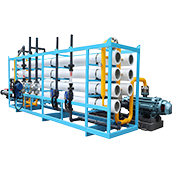
The RO membrane housing is a cylindrical pressure vessel designed to hold reverse osmosis membrane elements securely in place. It serves as the critical interface between the raw water supply and the purified product. While often overlooked, the housing is a precision-engineered component that must maintain a perfect seal under high pressure, guide fluid dynamics efficiently, and protect the delicate membrane elements from physical damage and environmental factors. Whether constructed from stainless steel for industrial might or fiberglass for corrosion resistance, the housing is the guardian of the system's "heart."
Application Scenarios and Functions

The versatility of RO membrane housings allows them to serve a vast array of sectors:
Industrial Water Treatment: In power plants, chemical processing, and manufacturing, housings contain the membranes that produce boiler feed water or process water. Here, they must withstand high pressures and aggressive chemical cleaning regimes.
Seawater Desalination: In coastal regions and on offshore platforms, these housings operate under extreme pressure (up to 1000 psi or more) to force fresh water through membranes, resisting the highly corrosive nature of salt water.
Municipal Drinking Water: For city-wide purification, housings ensure that communities receive safe, contaminant-free water. They are often designed for high flow rates and long-term durability.
Food and Beverage Industry: In this sector, hygiene is paramount. Housings are often made of polished stainless steel to prevent bacterial growth and ensure the purity of ingredients.
Wastewater Reclamation: As industries move toward zero liquid discharge, housings are used to treat effluent, requiring materials that can handle variable and often harsh water chemistries.
Technical Parameters
Selecting the correct housing requires a deep understanding of its technical specifications:
Material Composition: The two primary materials are Fiberglass Reinforced Plastic (FRP) and Stainless Steel (SUS304 or SUS316L). FRP offers excellent corrosion resistance and cost-effectiveness, while Stainless Steel provides superior mechanical strength and heat resistance.
Pressure Ratings: Housings are rated for specific operating pressures. Standard brackish water housings typically operate at 300 psi, while seawater housings are rated for 1000 psi or 1200 psi.
Dimensions: The industry standardizes on diameter and length. Common diameters are 4 inches (1016 mm) and 8 inches (2032 mm). Length is determined by the number of membrane elements it holds (e.g., 1 to 6 elements), with each element typically being 40 inches long.
Port Configuration: Housings feature inlet, outlet, and concentrate ports. These can be located at the ends (end-port) or on the side (side-port), depending on the piping layout of the facility.
Temperature Range: Most housings are designed to operate effectively between 4°C and 45°C, though specialized versions can handle higher temperatures for sanitization.
Product Advantages
A high-quality RO membrane housing offers distinct advantages that directly impact operational efficiency:
Corrosion Resistance: Especially in FRP models, the material is inert to a wide pH range and resistant to chloride attack, ensuring a lifespan of 15 to 20 years even in harsh environments.
Structural Integrity: Designed with a high safety factor, quality housings can withstand pressure spikes and water hammer effects without deformation or rupture.
Optimized Hydraulics: The internal design minimizes pressure drop across the vessel. A smooth inner liner reduces turbulence and friction, lowering energy consumption for the high-pressure pumps.
Leak-Free Performance: Advanced sealing mechanisms, such as dual O-rings and robust locking collars, prevent the bypass of untreated water, ensuring that the separation between permeate and concentrate is absolute.
Ease of Maintenance: Modern designs prioritize user experience, featuring quick-release clamps or accessible end caps that allow for rapid membrane replacement and inspection.
Working Principle
The RO membrane housing operates on the principles of fluid mechanics and pressure containment. It functions as a sealed pressure chamber. High-pressure feed water enters the housing through the inlet port and is directed into the membrane element. The housing maintains the necessary back-pressure to force water molecules through the semi-permeable membrane.
Inside, the housing directs the flow of two streams: the permeate (fresh water), which passes through the membrane and exits via the permeate tube and outlet port, and the concentrate (waste stream), which carries the rejected salts and flows out of the opposite end. The housing must maintain a perfect hydraulic seal to prevent "short-circuiting," where feed water bypasses the membrane and contaminates the product water.
Quality Standards
Manufacturing an RO membrane housing is a rigorous process governed by international standards.
ASME Standards: For industrial applications, housings are often designed and stamped according to the ASME Boiler and Pressure Vessel Code, ensuring they meet strict safety requirements for pressure containment.
NSF/ANSI 61: For drinking water applications, the materials used in the housing must be certified to ensure they do not leach harmful contaminants into the water supply.
ISO 9001: Production facilities adhere to quality management systems to ensure consistency in winding, curing, and assembly.
Testing: Every housing undergoes hydrostatic pressure testing, often at 1.5 times the working pressure, to verify its burst resistance and leak-tightness before it leaves the factory.
Future Prospects
The future of RO membrane housing technology is moving toward intelligence and sustainability. We are seeing the integration of smart sensors directly into the housing walls to monitor stress, temperature, and pressure in real-time, predicting potential failures before they occur. Additionally, the development of new composite materials aims to reduce the weight of these vessels further while increasing their tensile strength, making installation in remote or offshore locations easier and more cost-effective.
Conclusion
The RO membrane housing is the unsung hero of the water treatment industry. It is the fortress that protects the delicate filtration process, the conduit that manages complex fluid dynamics, and the guarantee of system safety. Whether in a small commercial unit or a massive desalination plant, the housing plays a pivotal role. Investing in a high-quality housing is not just about buying a container; it is about securing the longevity, efficiency, and reliability of the entire water purification system.
Frequently Asked Questions (FAQ)
What is the difference between FRP and Stainless Steel housings?
FRP (Fiberglass) housings are lighter, highly resistant to corrosion, and generally more cost-effective for standard water treatment. Stainless Steel housings offer higher mechanical strength, better heat resistance, and are preferred for high-temperature or high-sanitation applications (like food and beverage).
How often should an RO membrane housing be replaced?
Unlike the membrane elements, housings are durable assets. With proper maintenance and within their pressure ratings, FRP housings can last 15-20 years, and stainless steel housings can last even longer. They are typically only replaced if physically damaged or if the threads/seals degrade significantly.
Can I install different brands of membranes in the same housing?
Yes. RO membrane housings are manufactured to standard dimensions (e.g., 8040 or 4040). As long as the membrane element fits the physical size specification, it will fit the housing, regardless of the manufacturer.
What causes a housing to leak?
Leaks are most commonly caused by damaged O-rings, improper installation of the end caps, or cracks in the housing due to excessive pressure spikes (water hammer) or physical impact.
What is the purpose of the "side port"?
A side port allows for easier piping arrangements, particularly when multiple housings are arranged in parallel. It can reduce the need for complex external piping elbows and save space within the equipment rack.