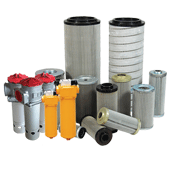
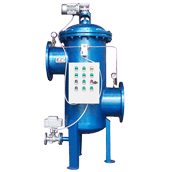
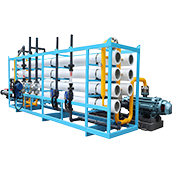
Diesel Fuel Coalescing Filter: Engineered for Clean Fuel, Reliable Engines
A Diesel Fuel Coalescing Filter is a precision filtration system critical for removing water and solid contaminants from diesel fuel before it reaches the engine. Free water and particulates in diesel can cause injector corrosion, pump wear, microbial growth (algae), and catastrophic engine failure. This specialized filter is the primary defense, ensuring fuel meets the cleanliness standards required for modern, high-pressure common rail and legacy diesel engines. Lefilter provides robust, high-efficiency Diesel Fuel Coalescing Filters and Replacement Elements designed for maximum engine protection and operational reliability.
The Challenge: Why Diesel Fuel Needs Specialized Filtration
Diesel fuel is hygroscopic (absorbs water) and prone to contamination during storage, transport, and handling. Contaminants include:
Free & Emulsified Water: The primary target, leading to corrosion, microbial growth, and reduced lubricity.
Particulates: Rust, scale, and dirt that act as abrasives.
Surfactants: Chemicals that can stabilize water, making it harder to remove.
Our coalescing filters are engineered to solve these problems, ensuring fuel is clean, dry, and ready for combustion.
How Our Diesel Fuel Coalescing Filter Works: Multi-Stage Purification
Our systems utilize a targeted, multi-stage process to ensure total contaminant removal:
Pre-Filtration Stage: Fuel first passes through a depth media filter (often spun-bond cellulose or glass) that removes the bulk of solid particulates. This protects the sensitive coalescing stage.
Coalescence Stage: The fuel then flows through a hydrophilic (water-attracting) coalescing media. Microscopic water droplets are captured and forced to merge (coalesce) into large, heavy drops. This media also strips surfactants that hinder separation.
Separation & Drainage: The enlarged water droplets settle by gravity into a dedicated water sump at the bottom of the housing, away from the fuel flow path.
Final Barrier (Optional): Ultra-clean fuel passes upward, sometimes through a final water-repellent (hydrophobic) barrier that prevents any residual water from being re-entrained. Clean, dry fuel exits to the engine.
Key Advantages of Our Diesel Fuel Coalescing Filters
Superior Water Removal: Achieves free water removal > 95%, effectively eliminating the cause of tank corrosion and microbial growth. Outputs fuel often meeting ISO 4406 cleanliness codes of 16/14/11 or better.
Enhanced Engine Protection & Longevity: Prevents injector nozzle clogging, protects high-pressure pumps from cavitation, and reduces overall engine wear, leading to lower maintenance costs and extended engine life.
High Dirt-Holding Capacity: Robust pre-filtration and coalescing media extend service intervals, reducing operating costs and downtime.
Handles Bio-diesel Blends: Compatible with ULSD, biodiesel (B5-B20), and other common blends, addressing the increased water retention tendencies of bio-components.
Direct OEM Replacements: We supply high-performance, cost-effective replacement cartridges and complete housings compatible with major brands (Racor, Parker, Dahl, etc.).
Technical Specifications & Selection Guide
Parameter | Specification / Guideline |
|---|
Primary Function | Removal of Free Water & Solids from Diesel Fuel |
Water Removal Efficiency | >95% free water removal; effluent clarity to < 0.05% free water. |
Filtration Rating | Coalescing stage typically rated for 1-10 micron water droplets. Pre-filter from 30 to 5 microns. |
Flow Rates | Models from 10 GPH for auxiliary power units to 300+ GPM for bulk fuel dispensing. |
Housing Options | Spin-on cartridges, single or dual vessel systems. Materials: coated steel, aluminum. |
Media Type | Multi-layer hydrophilic glass microfibers or synthetic media. |
Drain Mechanism | Manual petcock or automatic water sensor/drain valve. |
Applications | Trucking fleets, marine engines, backup generators, construction equipment, fuel storage terminals. |
Frequently Asked Questions (FAQ)
Q: How often should I change the filter elements?
A: Change intervals depend on fuel quality and usage. Monitor the water collection bowl and differential pressure (if gauged). A best practice is to replace the primary filter/coalescer element every 250-500 engine hours or as part of annual maintenance. Always follow OEM guidelines.
Q: Can it handle "algae" (microbial growth) in diesel?
A: While it removes the water microbes need to live, and filters out some biomass, a severely contaminated tank requires biocide treatment and tank cleaning first. The coalescer is a critical preventative and maintenance tool.
Q: Is a water sensor necessary?
A: Highly recommended. An integrated water-in-fuel (WIF) sensor or visual sight glass provides an early warning, allowing you to drain collected water before it reaches dangerous levels, preventing engine damage.
Q: Do you offer filters with integrated heaters?
A: Yes. For operation in cold climates, we provide models with fuel heaters (often electric or coolant-based) to prevent wax crystals (paraffin) from clogging the filter media, ensuring year-round performance.
Q: Can I use your replacement elements in my existing housing?
A: Absolutely. We manufacture direct-fit, performance-matched replacement cartridges for most major OEM housings. Provide your model number for a guaranteed compatible, high-quality alternative.