Achieving Pure Biodiesel: How a Biodiesel Coalescing Separator Removes Water and Glycerin
Producing high-quality, market-ready biodiesel requires the effective removal of contaminants like water, residual catalysts, soaps, and free glycerin. Traditional settling tanks are slow and inefficient. A Biodiesel Coalescing Separator offers a continuous, highly efficient solution for the final polishing stage.
The Challenge in Biodiesel Purification
After transesterification and washing, biodiesel contains emulsified water and fine glycerin droplets. These impurities, if not removed, can:
Cause engine corrosion and injector fouling.
Promote microbial growth.
Lead to hazy fuel that fails stringent ASTM D6751 or EN 14214 standards.
How a Coalescing Separator Works for Biodiesel
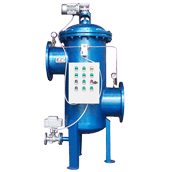
Our Biodiesel Coalescing Separator is a multi-stage vessel:
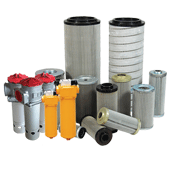
Coalescing Stage: The biodiesel passes through specialized hydrophobic coalescer cartridges. These cartridges cause the dispersed water and glycerin droplets to merge into large, separable drops.
Separation Stage: The enlarged droplets, now heavier, easily fall out of the flow by gravity into a quiet settling sump at the bottom of the vessel.
Polished Outlet: The clean, dry biodiesel exits from the top of the separator.
Advantages of Lefilter's System:
Continuous Operation: No downtime for batch settling.
Superior Efficiency: Achieves clear, bright fuel with water content below 200 ppm.
Compact Footprint: Replaces large, slow settling tanks.
Automation Ready: Can be integrated with PLC controls for unattended operation.
Durable Construction: Typically made in carbon steel with epoxy coating or stainless steel for corrosion resistance.
Ideal For:
Biodiesel Production Plants
Biofuel Blending Terminals
Feedstock Purification (for used cooking oil)