1. Product Introduction

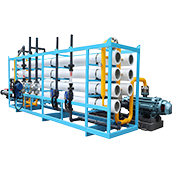
Nanofiltration for pesticide removal is a professional spiral-wound nanofiltration membrane system customized for water pesticide pollution treatment. Adopting modified high-stability aromatic polyamide composite material, it features a precise nanopore structure with a pore size of 1–2 nm and a molecular weight cutoff of 200–1000 Da, which perfectly matches the molecular weight characteristics of most common pesticides such as glyphosate, atrazine and organic phosphorus pesticides. Different from ordinary water treatment membranes, this pesticide-specific NF membrane undergoes anti-organic-fouling and anti-oxidation modification, effectively resisting membrane blockage caused by pesticide colloid deposition and organic pollutant adhesion. With unique selective separation performance, it efficiently intercepts macromolecular pesticide residues and refractory organic intermediates, while retaining trace beneficial minerals in water. It supports long-term continuous low-pressure operation, adapts to fluctuating agricultural water quality, and solves the industry pain point of incomplete removal of trace pesticide pollution.
2. Application Scenarios

This pesticide removal nanofiltration technology has wide environmental adaptability, covering agricultural, civilian and industrial water treatment fields.
First, rural drinking water purification: removes trace pesticide residues in groundwater and surface water in agricultural areas, ensuring drinking water safety for residents.
Second, agricultural irrigation water treatment: purifies pesticide-contaminated water sources, reduces pesticide accumulation in soil and crops, and improves agricultural product safety.
Third, pesticide factory wastewater treatment: intercepts high-concentration pesticide organic pollutants in production wastewater, meets discharge standards and realizes water resource recycling.
Fourth, surface water ecological remediation: removes residual pesticides and agricultural non-point source pollutants in rivers and reservoirs, restoring water ecological environment.
Fifth, municipal water source pretreatment: eliminates trace pesticide pollutants in raw water, assisting conventional water plants to improve finished water quality standards.
3. Technical Parameters

All technical parameters are optimized for the molecular characteristics and pollution characteristics of water pesticides. The membrane pore size ranges from 1 to 2 nm with a MWCO of 200–1000 Da, adapting to interception of most pesticide molecules. The overall pesticide rejection rate reaches 93%–99%, with high removal efficiency for persistent organic pesticides. The divalent organic and inorganic pollutant rejection rate is above 95%, while the monovalent mineral ion retention rate is maintained at 70%–85% to avoid excessive water desalination. The recommended operating pressure is 0.5–1.2 MPa, realizing low-energy stable operation. The applicable water temperature is 5–45℃, and the safe operating pH range is 3–10, adapting to complex acidic and alkaline pesticide polluted water. The system water recovery rate stably reaches 80%–85%. The inlet water requires pretreatment with SDI ≤3 and turbidity ≤0.5 NTU. The stable service life of the membrane element is 3–5 years, and the flux recovery rate can reach 97% after professional chemical cleaning.
4. Product Advantages

Compared with traditional pesticide removal processes, this NF technology has irreplaceable core advantages. Firstly, high-precision pesticide interception: it targets trace and refractory pesticide pollutants that are difficult to remove by traditional processes, achieving thorough purification and eliminating water safety hazards. Secondly, selective green purification: it removes harmful pesticide organics while retaining beneficial mineral components, avoiding the poor water quality caused by full desalination. Thirdly, low energy consumption and high efficiency: low-pressure operation saves more than 35% energy compared with RO systems, with high water production efficiency and low operating cost. Fourthly, excellent anti-fouling performance: the modified membrane surface resists organic pollutant adhesion, slows flux attenuation and extends continuous operation cycle. Fifthly, stable long-term performance: it is not affected by water temperature and slight water quality fluctuation, with stable pesticide removal effect and simple daily maintenance.
5. Application Procedures
The application workflow is standardized and suitable for long-term continuous operation of water treatment projects. Pre-operation preparation: Complete raw water pretreatment such as coagulation and precision filtration to remove suspended solids and large particulate impurities; detect inlet water SDI, turbidity and pH to meet membrane inlet standards; inspect pipeline tightness and membrane element integrity. System commissioning: Start the system at low pressure, gradually adjust the operating pressure to 0.5–1.2 MPa, run stably for 30 minutes, and test effluent pesticide residue indicators. Formal operation: Continuously monitor membrane flux, pressure difference and effluent water quality, record operational data in real time, and ensure stable pesticide removal efficiency. Regular maintenance: When pressure difference rises by 0.1 MPa or flux drops by 15%, perform targeted alkaline cleaning to decompose organic pesticide fouling and acidic cleaning to remove inorganic scale. Shutdown protection: Rinse the membrane surface with purified water for 10 minutes after shutdown to prevent residual pesticide deposition and membrane damage.
6. Quality Standards
Nanofiltration for pesticide removal strictly complies with international and domestic water treatment industry safety and performance standards. Internationally, it adheres to ISO 9001 quality management system and ASTM membrane performance testing standards. Domestically, it implements GB/T 30307-2013 water treatment membrane element specifications and GB 5749-2022 drinking water sanitary standards, meeting national water pollutant discharge and water source purification requirements. Core quality requirements: The membrane material has excellent chemical stability and anti-oxidation performance, resisting long-term erosion of pesticide organic solvents; key indicators such as pesticide rejection rate and flux stability meet industrial design standards; each batch of products undergoes strict factory performance testing with complete quality traceability records to ensure stable operation in complex polluted water environments.
7. Working Principle
This NF technology realizes efficient pesticide removal through the synergistic effect of nanopore physical sieving and Donnan electrostatic repulsion dual mechanisms. The uniform 1–2 nm nanopore structure acts as a precise molecular sieve, intercepting macromolecular pesticide molecules and organic intermediate pollutants larger than the membrane pore size. The membrane surface carries stable negative charges, generating strong electrostatic repulsion on negatively charged pesticide ions and organic pollutants, further improving the removal efficiency of trace pesticide residues. Small water molecules and beneficial monovalent mineral ions can freely pass through the membrane. Driven by low pressure, the system continuously separates pesticide pollutants from water, realizing integrated purification of pesticide-contaminated water.
8. Future Prospects
With the increasingly strict national water environmental protection standards and the rising demand for agricultural water safety, nanofiltration for pesticide removal has broad development prospects. In the future, membrane materials will be further optimized to enhance anti-pesticide-fouling and anti-chemical corrosion performance, adapting to high-concentration complex pesticide wastewater treatment. The system will realize intelligent upgrading, with automatic water quality monitoring and fouling early warning functions to improve operational precision. As a low-cost and high-efficiency alternative to traditional pesticide treatment processes, it will be widely popularized in rural water safety projects, agricultural ecological governance and pesticide industrial wastewater treatment, promoting the green development of water environmental protection industry.
9. Conclusion
Nanofiltration for pesticide removal is a professional and efficient green membrane separation technology customized for water pesticide pollution governance. It overcomes the defects of incomplete purification, easy saturation and high energy consumption of traditional pesticide removal processes, and achieves high-precision removal of trace and refractory pesticide pollutants through dual physical separation mechanisms. With the core advantages of high pesticide rejection rate, selective mineral retention, low energy consumption and stable operation, it effectively solves the water safety problems caused by agricultural pesticide pollution. Widely applicable to civilian drinking water, agricultural irrigation and industrial wastewater treatment scenarios, it delivers significant environmental and social benefits. With continuous technological iteration, this NF technology will become the mainstream standardized process for water pesticide pollution remediation.
10. Frequently Asked Questions (FAQs)
Q1: What is the core advantage of NF for pesticide removal?
A1: Its core advantage is high-efficiency removal of refractory trace pesticide pollutants while retaining beneficial minerals in water, with low energy consumption and stable purification effect, solving the incomplete treatment pain point of traditional processes.
Q2: Can NF remove all types of water pesticide residues?
A2: It has an excellent removal effect on most common macromolecular pesticides such as glyphosate, atrazine and organic phosphorus pesticides, covering mainstream agricultural pesticide pollution scenarios.
Q3: How is NF different from activated carbon pesticide removal?
A3: Activated carbon is easy to saturate with short service cycle, while NF realizes physical continuous interception without consumable replacement, featuring longer service life and more stable long-term treatment effect.
Q4: Will NF treatment affect water mineral content?
A4: No. It adopts selective separation to remove harmful pesticide organics and high-valence pollutants while retaining most beneficial monovalent minerals, ensuring healthy water quality.
Q5: What is the service life of the pesticide removal NF membrane?
A5: Under standardized pretreatment and regular professional cleaning, the stable service life can reach 3–5 years, with low comprehensive maintenance cost.