Seawater Reverse Osmosis Element Protected by Ultrafiltration Pretreatment
A seawater reverse osmosis element is the core membrane component that removes salt to generate fresh water in desalination facilities. This supporting high‑performance liquid filter works alongside ultrafiltration equipment to eliminate suspended solids, sediment and colloidal pollutants before seawater reaches RO membranes. Well‑matched ultrafiltration and pre‑filtration systems dramatically lower fouling risk, reduce chemical‑cleaning cycles and extend the service lifespan of expensive seawater reverse osmosis elements for coastal and island desalination projects.
Product Introduction
Seawater desalination has become a reliable technical solution to relieve fresh‑water shortages in coastal cities, remote islands and offshore industrial platforms. At the heart of every large‑scale desalination plant sits the seawater reverse osmosis element, a spiral‑wound membrane component capable of rejecting over 99% of dissolved salt. However, seawater contains large quantities of plankton, silt, organic debris and colloidal matter. Without proper pretreatment using ultrafiltration and security filters, these contaminants will quickly foul, scratch and permanently damage seawater reverse osmosis element. Ultrafiltration equipment has now become the preferred pretreatment process to safeguard seawater RO membranes in modern‑day desalination workflows.
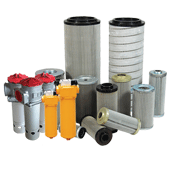
A complete UF‑RO seawater‑treatment workflow operates in multiple sequential stages. Raw seawater first passes through coarse strainers, then flows into ultrafiltration modules, which capture most colloids, microorganisms and large suspended particles. The ultrafiltration effluent then goes through final safety filtration before entering the pressure vessels holding seawater reverse osmosis element. When designing high‑capacity desalination plants, many system integrators select Pall High Flow Filter Element and Parker High Flow Filter as the final security barrier after ultrafiltration. These pleated large‑diameter cartridges feature exceptional dirt‑holding capacity, fewer installation requirements and lower long‑term maintenance costs, making them ideal for high‑volume seawater pipelines.
Coastal desalination projects regularly suffer water‑quality fluctuations caused by tidal shifts, seasonal algal blooms and storm‑driven sediment resuspension. To handle sudden pollutant spikes, engineering teams can deploy Pentair High Flow Filter as a flexible alternative pre‑filtration option. In cases where tighter fine‑particle removal is needed to hit strict SDI targets, Membrane Filter Cartridge can be added to polish ultrafiltration effluent and deliver exceptionally clean feed‑water to the seawater reverse osmosis element.
Even with stable‑running ultrafiltration equipment, tiny residual particles can occasionally slip through membrane pores. If no security filter is installed, those particles will abrade the surface of seawater reverse osmosis element, creating irreversible salt‑rejection loss. Industry‑standard feed‑water requirements specify that water entering seawater RO membranes must maintain an SDI value ≤ 3. This specification can only be reliably achieved by combining ultrafiltration with high‑flow security filter cartridges. Many desalination‑plant operators underestimate the importance of post‑UF pre‑filtration, which leads to premature seawater reverse osmosis element replacement and extremely high operational expenditure.

Working Principle
The whole protection workflow for seawater reverse osmosis element relies on two‑stage pretreatment: ultrafiltration plus high‑flow security filtration. Raw seawater enters ultrafiltration modules first. Under pressure, water molecules and dissolved salt pass through the ultrafiltration membrane, while plankton, large organic molecules and most colloids remain trapped on the membrane surface. The clarified ultrafiltration effluent then flows into filter housings loaded with pleated high‑flow cartridges. Seawater travels from the outer surface inward through the filter media, where leftover fine silt, pipeline debris and particle fragments are intercepted. The fully‑polished water flows through the cartridge’s central core and is pumped at high pressure toward the seawater reverse osmosis element.
Inside each seawater reverse osmosis element, spiral‑wound membrane sheets separate fresh water from concentrated brine. When pollutants build up on the surface of pre‑filtration cartridges, the pressure difference between filter inlet and outlet slowly rises. Operators must replace cartridges promptly once differential pressure reaches the predefined alarm threshold. Delayed replacement will cause contaminant bypass, allowing unfiltered particles to travel downstream and physically scratch the delicate membrane surface of the seawater reverse osmosis element.
It is vital to understand that neither ultrafiltration nor security filters can fully replace each other. Ultrafiltration removes the bulk of colloidal and biological pollutants, while high‑flow filter cartridges catch residual granular impurities as the final safety shield for seawater reverse osmosis element. Removing the ultrafiltration unit will overload security filters and cause extremely‑short cartridge service cycles. Skipping the post‑UF security filter will expose seawater reverse osmosis element to particle‑damage risk. The two pretreatment stages must always work together to deliver stable, qualified feed‑water.
Technical Parameters
| Item | Specification |
|---|
| Protected Component | Seawater reverse osmosis element |
| Pretreatment Equipment | Ultrafiltration system + high‑flow security filter cartridge |
| Filter Media Material | Anti‑salinity modified polypropylene |
| Common Cartridge Length | 20 inch, 40 inch, 60 inch |
| Outer Diameter | 152 mm |
| Available Micron Rating | 1 μm, 5 μm, 10 μm, 20 μm |
| Single‑cartridge Flow | 18‑110 m³/h |
| Max Seawater TDS Tolerance | 45000 mg/L |
| Max Operating Temperature | 60℃ |
| Maximum Working Pressure | 2.45 MPa |
| Recommended Initial ΔP | ≤ 0.02 MPa |
| Cartridge Replacement Differential Pressure | 0.10‑0.14 MPa |
| Required RO Feed‑water SDI | ≤ 3 |
All technical specifications can be customized to match site‑specific seawater quality, plant flow‑rate and tidal‑related water‑quality variation. Our engineering team provides professional model‑selection support for large coastal municipal desalination stations, island fresh‑water projects and offshore‑platform water‑making facilities.
Quality Assurance
The seawater reverse osmosis element represents one of the largest single capital investments in a desalination plant. Poor‑quality pre‑filtration cartridges pose a major threat to membrane service life. Inferior filter products may suffer salt‑water corrosion, fiber shedding, media rupture and contaminant bypass under continuous high‑salinity operating conditions. Released loose fibers will scratch membrane surfaces, resulting in permanent performance degradation of seawater reverse osmosis element.
All of our high‑flow pre‑filtration cartridges are manufactured according to ISO9001 international quality‑management standards. Raw polypropylene materials undergo strict incoming corrosion‑resistance testing for seawater environments. Automatic pleating machinery precisely adjusts fold spacing, delivering uniform pleats and maximizing the effective filtration surface‑area for particle interception. A hot‑melt thermal‑weld process bonds filter media and end caps without liquid adhesive, eliminating secondary‑pollution risks in high‑salinity seawater. Before shipment, every finished cartridge completes hydraulic pressure‑resistance testing, bubble‑point pore‑size inspection and high‑flow pressure‑drop performance verification.
For large‑scale EPC desalination contracts, batch quality‑inspection test reports can be supplied. Additional technical‑support services include on‑site installation guidance, differential‑pressure monitoring guidelines and practical filter‑cartridge replacement‑cycle recommendations. Premium pre‑filtration consumables minimize unexpected plant shutdown events and protect customers’ costly investment in seawater reverse osmosis element and ultrafiltration infrastructure.

Application Fields
Ultrafiltration and supporting security pre‑filtration solutions that safeguard seawater reverse osmosis element are widely deployed in many types of desalination‑related projects.
Coastal Municipal Seawater‑desalination Plants: Large‑scale fresh‑water supply for coastal cities.
Remote‑Island Desalination Facilities: Water‑production equipment for residential communities on offshore islands.
Off‑shore Oil‑and‑Gas Platforms: On‑site seawater desalination for worker drinking and process water.
Coastal Industrial Desalination Systems: Fresh‑water generation for chemical, power‑plant and manufacturing process needs.
Brackish‑water Reclamation Projects: Pretreatment for high‑salinity brackish‑water reverse osmosis treatment.
Marine Aquaculture Water‑treatment Lines: Seawater purification systems that combine ultrafiltration and seawater reverse osmosis element.
Within each of these application scenarios, ultrafiltration removes the majority of colloidal and biological pollutants, while high‑flow filter cartridges deliver the last‑line safety protection for seawater reverse osmosis element. Implementing this two‑stage pretreatment strategy greatly improves long‑term system uptime and reduces overall operation‑and‑maintenance expenses for desalination‑plant owners.
FAQ
Q1: Why is ultrafiltration necessary before a seawater reverse osmosis element?
A1: Ultrafiltration removes colloids, plankton and organic pollutants from raw seawater. It reduces fouling load and greatly lowers the risk of irreversible membrane contamination on the seawater reverse osmosis element.
Q2: Can we run seawater reverse osmosis element without post‑ultrafiltration security filtration?
A2: Not recommended. Tiny residual fine particles can leak from ultrafiltration effluent. Without a security filter, these particles may scratch the seawater reverse osmosis element, leading to permanent salt‑rejection loss.
Q3: What SDI value is required for feed‑water entering a seawater reverse osmosis element?
A3: Standard industry requirements demand feed‑water SDI ≤ 3 for seawater reverse osmosis element, a target achieved by the combined ultrafiltration and security‑filtration process.
Q4: Which micron rating is best for security filters protecting seawater reverse osmosis element?
A4: 5 μm and 10 μm are the most common selections. The final micron grade should be chosen based on local seawater quality, ultrafiltration performance and RO‑membrane manufacturer specifications.
Q5: When should high‑flow filter cartridges be replaced in seawater desalination workflows?
A5: Replace cartridges when inlet‑outlet differential pressure reaches 0.10‑0.14 MPa. During algal‑bloom or storm seasons with poor seawater quality, replacement cycles will become shorter.
Q6: What risks will occur if seawater reverse osmosis element gets fouled severely?
A6: Severe fouling reduces fresh‑water flux, raises operating pressure, increases chemical‑cleaning frequency, shortens membrane lifespan, and may lead to expensive early replacement of the seawater reverse osmosis element.
Other products you may want to know about:
PP melt-blown filter
self-cleaning filter
Micro porous folded filter