Technical Overview of Pall High Flow Filter for Ultrafiltration Pre‑Treatment
Pall high flow filter is a well‑known large‑diameter filtration solution widely referenced for protecting industrial ultrafiltration equipment in water‑treatment workflows. This professional liquid filterarticle covers its structural features, performance characteristics and practical selection advice for industrial fluid purification projects. Water‑treatment engineers and on‑site maintenance teams can adopt Large Diameter Pleated Filter Cartridge as compatible pretreatment parts, intercept suspended contaminants effectively, help lower membrane fouling risks and support stable long‑term operation of ultrafiltration membrane modules.
Product Introduction
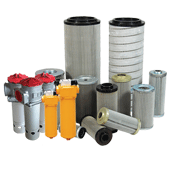
The pall high flow filter belongs to the large‑diameter deep‑pleated filter cartridge category, commonly deployed in the pretreatment section ahead of ultrafiltration and reverse osmosis membrane systems inside industrial water‑treatment plants. Compared with traditional small‑flow filter cartridges, its enlarged‑diameter pleated layout significantly expands the available effective filtration surface area. The increased surface area allows a single filter cartridge to process much larger liquid volumes, which can reduce the total number of cartridges required within filter housings, cut down filter‑replacement frequency, and decrease routine maintenance workload for facility operators.When industrial ultrafiltration equipment is running for raw‑water purification tasks, installing high‑flow filter cartridges at the inlet pipeline before ultrafiltration membranes creates an essential protective barrier. These filters trap silt, rust particles, colloidal impurities, algae fragments and large organic contaminants before these substances can reach and pollute ultrafiltration membrane surfaces. Removing these impurities in advance slows down membrane fouling, helps stabilize permeate water yield, extends the service interval between chemical cleaning cycles, and assists facilities to control long‑term operational costs.For industrial buyers searching for independently‑produced spare‑part options, IPR High Flow Coolant Filter provides an alternative high‑flow filtration choice for many industrial fluid‑processing applications. High‑flow filter cartridges can be installed inside Large Flow Cartridge Filter for Desalination Plant without major structural modifications to existing filter housings. Our manufacturing workshop also accepts custom‑sized large‑diameter pleated filter cartridges for special‑condition filtration requirements. Meanwhile, Pall high flow filter element – Drop‑in Interchangeable Ultipleat is widely used as a performance benchmark within the global industrial filtration market.

Working Principle
The filtration mechanism of pall high flow‑style large‑diameter pleated filters combines surface sieving effect and mild depth‑adsorption filtration. Driven by water‑circulation pumps, untreated feed‑liquid flows from the outer pleated surface, passes inward through the multi‑layer filter media, and finally reaches the central inner core of the filter cartridge. All solid particles larger than the filter’s rated micron size are intercepted on the outer pleated surface, while fine colloidal pollutants are trapped inside the multi‑layer filter material. After completing the pretreatment filtration stage, clarified liquid flows out of the inner core and travels downstream into ultrafiltration equipment for further fine purification.During long‑term continuous operation, intercepted impurities will gradually accumulate on the outer filter surface and form a contaminant cake layer. This cake layer narrows internal liquid‑flow channels, which makes the pressure‑difference value between filter inlet and outlet rise steadily. Once differential pressure rises 5‑10 psi above the initial operating pressure, facility technicians are recommended to replace the saturated filter cartridge. Delaying filter replacement may lead to contaminant bypass, allowing impurity particles to flow downstream and raise the fouling risk of ultrafiltration membranes.Before installing new high‑flow filter cartridges, maintenance workers should check several key specifications, including outer diameter, overall cartridge length, top lifting‑handle design, end‑cap connection style, O‑ring material compatibility and micron filtration rating. Full specification matching can prevent liquid bypass leakage and deliver reliable pretreatment protection for your ultrafiltration system.
Technical Parameters
The following are common standard specifications for industry‑reference pall‑style high‑flow pleated filters used in ultrafiltration pretreatment workflows:
Filter Media: High‑purity polypropylene pleated material, good chemical compatibility with most water‑based liquids, low risk of fiber shedding
Outer Diameter: Standard 6.5‑inch large diameter
Available Length Options: 20 inch, 40 inch, 60 inch
Micron Ratings: 1 μm, 5 μm, 10 μm, 20 μm, 50 μm, 100 μm
Maximum Continuous Operating Temperature: 80 °C
Maximum Working Pressure: 150 psi
Initial Pressure Drop: ≤ 5 psi under rated high‑flow operating‑conditions
End‑cap Structure: Integrated lifting handle, double‑sided O‑ring sealing construction
Single‑cartridge Maximum Liquid Flow Rate: Up to 150 m³/h under standard water‑treatment working‑conditions
For most regular industrial ultrafiltration pretreatment projects, filter cartridges with 10‑20 μm filtration accuracy are the most widely selected. If raw feed‑water contains high‑concentration fine sediment and colloidal pollutants, finer micron‑rated filter cartridges are strongly recommended to strengthen protection for ultrafiltration membrane modules. Custom‑built high‑flow filters made of special‑resistant filter media or non‑standard dimensions can be produced according to customers’ technical drawings and water‑quality testing reports.

Quality Assurance
Stable, consistent quality of high‑flow filter cartridges plays a vital role in the long‑term trouble‑free operation of ultrafiltration water‑treatment systems. Every batch of our independently‑produced high‑flow filters goes through multi‑stage quality inspection before factory shipment. Raw polypropylene filter media receives strict screening procedures to reject raw‑material stock with uneven thickness or potential fiber‑shedding risk. Automatic pleating‑making machinery precisely controls fold spacing to create uniform pleats, maximizing the effective filtration‑surface‑area. Hot‑melt thermal‑weld technology firmly bonds filter media and plastic end‑caps together, effectively reducing liquid bypass‑leakage risk under high‑speed pipeline liquid‑flow conditions.Each finished high‑flow filter cartridge must complete hydraulic pressure‑resistance testing, bubble‑point pore‑size detection and high‑flow pressure‑drop testing. Our whole manufacturing management workflow strictly follows ISO9001 international quality‑management standards. Batch inspection test‑reports can be supplied for large‑scale ultrafiltration EPC water‑treatment projects upon clients’ requests.Low‑quality high‑flow filter cartridges may bring hidden risks, such as uneven pleat layout, poor thermal‑weld sealing performance or unexpected fiber shedding. These defects can carry particulate contaminants downstream and increase ultrafiltration‑membrane fouling possibility, which may cause extra membrane‑replacement costs and unplanned system shutdown events. Choosing high‑quality, reliable high‑flow filter cartridges helps plant‑management teams cut ultrafiltration‑system maintenance costs and reduce the chance of unexpected shutdowns for water‑treatment facilities.
Application Fields
High‑flow filter cartridges referenced to pall high flow filter are widely applied as upstream pretreatment protection components for ultrafiltration equipment in multiple industrial sectors: ‑ Municipal tap‑water purification and municipal wastewater ultrafiltration recycling projects ‑ Seawater and brackish‑water desalination ultrafiltration pretreatment workflows ‑ Power‑plant boiler feed‑water treatment and industrial condensate recovery ultrafiltration systems ‑ Petrochemical circulating‑water treatment and industrial process‑liquid filtration ultrafiltration‑treatment lines ‑ Food‑and‑beverage factory process‑water purification ultrafiltration skids ‑ Electronic‑industry ultrapure‑water‑production ultrafiltration pretreatment equipment ‑ Pharmaceutical‑manufacturing process‑water treatment ultrafiltration facilities ‑ Zero‑discharge industrial wastewater ultrafiltration recycling projectsWithin all these industrial working‑condition scenarios, high‑flow filter cartridges work as the primary‑stage defensive barrier for ultrafiltration membrane modules. System operators should monitor filter differential‑pressure indicators on a regular basis and replace saturated filter cartridges in a timely way, so as to help prevent ultrafiltration‑membrane fouling and unplanned shutdown of the whole water‑treatment‑system.
FAQ
Q1: What role does a pall high flow filter play inside ultrafiltration pretreatment systems?
A: This large‑diameter high‑flow filter cartridge serves as the first‑stage pretreatment filter component. It intercepts silt, rust debris, suspended solids and colloidal pollutants from raw feed‑liquid before water flows into ultrafiltration membranes, helping reduce particle‑induced ultrafiltration‑membrane fouling risk.
Q2: Can independently‑manufactured high‑flow filters be used as spare cartridges for pall high flow filter housings?
A: Some independently‑produced high‑flow filter cartridges can achieve physical dimension compatibility. Before formal installation, you need to match filter length, outer diameter, end‑cap connection style, O‑ring material and micron rating with your existing filter specifications. On‑site compatibility testing is highly suggested.
Q3: How do I select the correct micron rating of high‑flow filter for ultrafiltration pretreatment?
A: 10‑20 μm filter accuracy fits most standard ultrafiltration pretreatment projects. 5 μm or finer filter cartridges are recommended when raw‑water contains large quantities of fine sediment and colloidal impurities. Coarser micron grades are suitable for feed‑water carrying large suspended particles.
Q4: What is the typical service life of high‑flow filter cartridges for ultrafiltration equipment?
A: Filter service life mainly depends on raw‑water quality. Under relatively clean feed‑water conditions, high‑flow filter cartridges can run continuously for 3‑6 months. For heavily‑polluted raw‑water, replacement cycles will usually shorten to 1‑3 months. Rising differential pressure is the most reliable replacement indicator.
Q5: Can saturated pall‑style high‑flow filter cartridges be cleaned and reused?
A: Most polypropylene pleated high‑flow filter cartridges are designed as disposable consumables. Fine pollutants penetrate deep into multi‑layer filter media, and back‑washing cannot fully remove trapped contaminants. Re‑using saturated filter cartridges may raise ultrafiltration‑membrane fouling risks.
Q6: What negative outcomes may appear if saturated high‑flow filter cartridges are not replaced on‑time?
A: Delayed filter replacement may lead to high differential pressure, reduced liquid throughput, contaminant bypass leakage, increased ultrafiltration‑membrane fouling possibility, more frequent chemical‑cleaning demands, extra membrane‑replacement costs and potential unplanned shutdown of your ultrafiltration‑treatment plant.
Other products you may want to know about:
cartridge filter housing
PP melt-blown filter
self-cleaning filter