Product Introduction
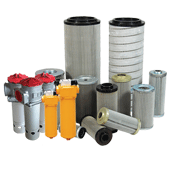
Complete liquid filter and full ESPA series spiral-wound reverse osmosis elements form our core energy-saving water treatment product lineup. The ESPA4 ultra low pressure brackish RO membrane is a high-performance industrial solution widely used in commercial drinking water stations, food and beverage production, electronic manufacturing and municipal well water purification projects.
As a flagship energy-saving model, ESPA4 features ultra-low operating pressure and stable high salt rejection, effectively reducing system power consumption while maintaining consistent long-term filtration stability. Designed with premium composite polyamide material and optimized feed spacer structure, it delivers reliable pure water output for continuous-duty water treatment systems.
Even with durable construction, long-term operation inevitably causes inorganic scaling, organic deposition and microbial biofouling on the membrane surface. Gradual fouling reduces permeate flux, lowers salt rejection, increases operating pressure and shortens membrane service life significantly. For this reason, learning how to clean ESPA4 RO membrane correctly is essential to restore original performance, avoid unnecessary replacement costs and maximize your equipment investment value.
This professional guide combines practical cleaning methodology and product advantages, covering fouling judgment, pre-cleaning preparation, step-by-step chemical cleaning procedures, exclusive maintenance tips and post-cleaning recovery solutions. It serves as a complete operational manual to keep ESPA4 RO membranes running at peak efficiency throughout their service life.

Why ESPA4 RO Membrane Requires Regular Cleaning
ESPA4 is engineered with a hydrophilic polyamide active layer and low-resistance spacers, perfectly optimized for low-energy brackish water treatment. However, long-term water flow and raw water impurities will inevitably cause two main types of fouling that affect system performance.
Inorganic scaling is the most common issue, consisting of calcium, magnesium and silica mineral deposits formed by hard raw water, insufficient anti-scalant dosage or excessive system recovery. It leads to slow flux decline, rising operating pressure and hard mineral buildup on the membrane surface, which can only be removed by professional acid cleaning.
Organic and biological fouling occurs in water sources with high COD, excessive SDI or incomplete pretreatment. Microbial slime and organic residues form a dense biofilm on the membrane surface, deteriorating permeate water quality and increasing system pressure difference. This type of fouling requires targeted alkaline cleaning for thorough removal.
Uncleaned fouling will cause irreversible damage to the polyamide layer, permanently reducing desalination efficiency and shortening membrane lifespan by nearly 40%. Regular standardized cleaning is therefore essential to maintain stable water quality and long-term operational economy for ESPA4 RO systems.
Pre-Cleaning Preparation Before You Begin Cleaning ESPA4 RO Membrane
Before performing chemical cleaning, operators must strictly follow ESPA4’s official technical limits to avoid permanent membrane damage. The membrane’s composite polyamide material has fixed chemical and temperature tolerance ranges that cannot be violated during maintenance.
Standard cleaning specifications include a continuous operating pH of 2.0–10.0, dedicated acid cleaning pH 1–3 and alkaline cleaning pH 10–12, maximum cleaning temperature of 45°C, and a single cleaning cycle limit of 2 hours. Free chlorine exposure is strictly prohibited during cleaning, as chlorine oxidation will destroy the membrane’s active layer and cause irreversible performance loss.
Prepare all required tools and chemicals in advance, including a cleaning circulation tank, low-flow circulation pump, connecting pipes, pressure and temperature monitoring devices, citric acid or dilute hydrochloric acid for acid cleaning, sodium hydroxide mixed with surfactant for alkaline cleaning, qualified permeate flushing water, and pH and conductivity testing tools.
Complete system pre-treatment before cleaning: shut down the RO system and high-pressure pump, close all water outlet valves, fully drain raw brackish water inside pressure vessels, and flush the membrane module with clean permeate water for 5–10 minutes to remove loose surface impurities. Confirm cleaning solution pH and temperature meet standards before starting formal circulation cleaning.

Step-by-Step Methodology for Proper ESPA4 RO Membrane Cleaning
Confirm the dominant fouling type first to determine the correct cleaning sequence. For pure inorganic scaling, perform acid cleaning first then alkaline cleaning. For organic and biological fouling, use alkaline cleaning first then acid treatment. For mixed fouling, follow the process of alkaline circulation, neutral flushing, acid circulation and final rinsing.
Inject the prepared constant-temperature cleaning solution into the pressure vessel through the concentrate inlet to form a closed circulation loop, ensuring full solution coverage on every membrane surface. Maintain low-speed circulation for 30–60 minutes, continuously monitoring temperature and pH to keep the solution within the safe range and supplement chemicals if parameters drift.
Stop the circulation pump after initial flushing and let the solution soak for 30–60 minutes. The soaking process fully dissolves hardened mineral scale and decomposes stubborn biofilm attached to the polyamide layer. Restart circulation for another 20–30 minutes to thoroughly flush all dissolved pollutants out of the membrane elements.
Drain all waste liquid completely after cleaning, then repeatedly flush the system with pure permeate water until the outlet water pH returns to neutral 6–8 with no chemical residue. Complete the second cleaning process if dual fouling exists. After full cleaning and flushing, restart the RO system at low pressure for 30 minutes, record flux, salt rejection and pressure data, and compare with pre-cleaning baseline values. Cleaning is successful if flux recovers over 90% of the original rated performance.
Key ESPA4 Exclusive Cleaning Tips
ESPA4’s ultra-low pressure hydrophilic membrane structure requires refined cleaning control. Avoid extreme pH environments during maintenance, as excessive acidity or alkalinity will erode the polyamide layer and reduce long-term salt rejection stability. Never use high-flow circulation, which may deform internal low-resistance spacers and weaken the membrane’s energy-saving advantages.
Arrange fixed cleaning cycles according to raw water quality: clean lightly polluted water systems every 3–4 months, conventional well and surface water systems every 1–2 months, and high-organic water reuse systems every 3–4 weeks. Separate acid and alkaline cleaning equipment completely to avoid chemical neutralization precipitation and secondary membrane fouling.

Product Advantages of ESPA4 RO Membrane
As a premium ultra-low pressure brackish RO element, ESPA4 delivers outstanding energy-saving performance, reducing system operating pressure and cutting pump power consumption by 25%–35% compared with traditional RO membranes. Its high-crosslink polyamide layer maintains a stable salt rejection rate above 99.2% and retains excellent filtration performance even after multiple standard cleanings.
With universal 8040 standard size, ESPA4 supports plug-and-play replacement for all mainstream pressure vessels, adapting flexibly to small commercial water equipment and large industrial pure water production lines. With scientific and regular cleaning maintenance, its service life can reach 3–5 years, greatly reducing long-term operational and replacement costs for water treatment plants.
Application Fields
ESPA4 ultra low pressure RO membrane is widely applicable for brackish water purification with TDS below 5000 ppm. It is ideal for commercial drinking water stations, bottled water production lines, food, cosmetic and electronic factory process water preparation, municipal well water and surface water treatment, and low-concentration industrial wastewater reuse projects. It is also the preferred upgrade model for energy-saving renovation of old RO systems.
Quality Standards
All ESPA4 RO membranes are manufactured under strict ISO 9001:2015 quality management systems. Every batch undergoes full performance testing including flux, salt rejection and cleaning recovery rate, with complete traceable batch records. All raw materials meet international industrial water safety standards, and official technical documents and test reports are provided to support project bidding and equipment acceptance.
Finished membranes are vacuum-sealed with professional anti-drying protective liquid to prevent polyamide layer damage during long-distance transportation and storage, ensuring stable performance and good cleaning adaptability for every product.

Future Prospect
Our R&D team continues to optimize ESPA4’s anti-fouling hydrophilic coating to reduce pollutant adhesion and extend cleaning cycles, while retaining its original energy-saving and high-rejection advantages and universal dimensional compatibility. We maintain stable mass production capacity and flexible bulk supply services, providing professional one-on-one cleaning technical guidance for global distributors and engineering clients.
With the growing global demand for energy-efficient pure water treatment equipment, ESPA4 will remain a cost-effective mainstream solution for brackish water treatment. Standardized cleaning and maintenance will continue to help users maximize membrane performance and long-term investment returns.
Summary
ESPA4 is a high-efficiency, energy-saving ultra-low pressure RO membrane designed for commercial and industrial brackish water purification. Regular standardized chemical cleaning is the core method to restore flux, stabilize salt rejection and extend membrane lifespan. This guide comprehensively explains professional ESPA4 cleaning preparation, operational steps, exclusive skills and post-maintenance management, helping operators avoid improper cleaning damage and solve common fouling problems.
Scientific cleaning maintenance enables ESPA4 to maintain long-term stable and efficient operation, reduce system energy consumption and membrane replacement costs, and create greater economic benefits for various pure water treatment projects. Contact our team for customized cleaning solutions, bulk membrane quotations and professional water system technical support.
FAQ
Q1: What causes permanent damage to ESPA4 RO membrane during cleaning?
A1: Excessive cleaning pH, over-temperature solution, long-time free chlorine exposure and improper high-flow circulation will damage the polyamide active layer, causing permanent flux decline and reduced salt rejection.
Q2: When should I clean my ESPA4 RO membrane?
A2: Cleaning is required when permeate flux drops over 15%, system pressure difference rises more than 20%, or produced water conductivity increases obviously with decreased desalination rate.
Q3: Can household detergents be used for ESPA4 cleaning?
A3: No. Household detergents contain chlorine, phosphate and additives that cause secondary fouling and membrane oxidation. Always use professional RO-specific acid and alkaline cleaning agents.
Q4: What is the service life of well-maintained ESPA4 membrane?
A4: With qualified pretreatment and regular standardized cleaning, ESPA4 can operate stably for 3–5 years, far longer than irregularly maintained membranes.
Q5: Is ESPA4 suitable for seawater desalination?
A5: No. ESPA4 is dedicated for low-TDS brackish water. Seawater desalination requires professional SWC series seawater RO membranes.