Chemical Resistant RO Membrane Reduces Equipment Maintenance Frequency
Product Introduction
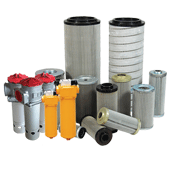
As a professional manufacturer supplying a full series of Liquid Filters , we provide complete industrial filtration solutions for water treatment. Our Chemical Resistant RO Membrane is a high-performance reverse osmosis membrane specifically engineered for challenging water treatment applications where chemical stability and long-term reliability are critical. Manufactured under strict quality control systems in an ISO 9001:2015 certified facility, this spiral wound RO membrane delivers consistent high salt rejection and exceptional resistance to chemical degradation, significantly reducing equipment maintenance frequency and lowering total operating costs for municipal and industrial water treatment facilities.
With growing challenges in raw water quality and increasingly stringent discharge regulations, water treatment operators are increasingly seeking membrane solutions that offer stable rejection, extended service life, and low maintenance costs. Our Chemical Resistant RO Membrane addresses common limitations of conventional membrane products, including unstable effluent conductivity, fouling susceptibility, and narrow chemical cleaning tolerance . Engineered with premium polyamide thin-film composite material, it is specifically designed for brackish water with total salinity below 8000ppm as well as industrial wastewater with high chemical content. The standard spiral-wound configuration enables direct installation into existing pressure vessels, eliminating the need for system modifications. For detailed technical specifications and application guidelines, please visit our dedicated product page.

Working Principle
This reverse osmosis membrane achieves effective desalination through two complementary filtration mechanisms operating under applied pressure. The polyamide separation layer features nano-scale pores that function as a physical barrier, removing suspended solids, colloids, bacteria, organic macromolecules, and hydrated salt particles. All rejected contaminants are discharged with the concentrate stream, ensuring they do not enter the permeate side.
In addition to physical sieving, the membrane surface carries a stable negative electrostatic charge, which repels multivalent ions including calcium, magnesium, and sulfate. This electrostatic effect significantly enhances overall salt rejection rate . Unlike loose nanofiltration membranes that allow partial salt passage, this RO membrane is designed to remove over 99.6% of dissolved salts under standard operating conditions.
The chemical resistant property of this membrane comes from its advanced polyamide formulation and optimized cross-linking density, which provide superior resistance to oxidation and chemical attack. This allows the membrane to withstand aggressive cleaning protocols and challenging feed water conditions without compromising separation performance.
Under normal system operating pressure, water molecules pass through the membrane layer to produce low-hardness, low-salinity permeate. The combination of physical interception and electrostatic repulsion helps maintain consistent permeate quality during continuous operation and reduces the frequency of system shutdowns for RO membrane cleaning .

Technical Parameters
All RO membrane elements in this series are manufactured in accordance with standardized industrial specifications:
Membrane Material:Polyamide Thin-Film Composite (TFC)
Configuration:Spiral wound
Effective Membrane Area:400 sq. ft (37.2 m²)
Stabilized Salt Rejection:Average 99.7%, Minimum 99.6%
Maximum Operating Pressure:600 psi (41.37 bar)
Maximum Operating Temperature:45°C (113°F)
pH Range (Continuous Operation):2.0 – 10.8
pH Range (Short-Term Cleaning):1.0 – 12.0
Feed Water SDI:≤5
Feed Water Turbidity:≤1.0 NTU
Free Chlorine Tolerance:< 0.1 ppm
Chemical Resistance:Enhanced oxidation resistance for aggressive cleaning protocols
Design Service Life:3–5 years with proper pretreatment

Product Advantages
This Chemical Resistant RO Membrane delivers exceptional value through its unique combination of chemical stability, reliable performance, and maintenance cost savings. The advanced polyamide formulation provides superior resistance to chemical attack, allowing the membrane to withstand aggressive cleaning chemicals and challenging feed water conditions that would quickly degrade conventional membranes. This chemical resistance significantly extends RO membrane lifespan and reduces the frequency of premature membrane replacement, directly translating to lower capital expenditure over the system's lifetime.
By resisting chemical degradation and maintaining stable performance over longer operating cycles, this reverse osmosis membrane substantially reduces the need for frequent cleaning and maintenance interventions. Plant operators can expect fewer system shutdowns, lower chemical consumption for cleaning, and reduced labor costs associated with membrane maintenance — all of which contribute to optimized total cost of ownership. With a guaranteed minimum salt rejection rate of 99.6%, this brackish water RO membrane maintains stable effluent conductivity even with variations in feed water salinity, making it suitable for applications requiring high-purity water including electronics manufacturing and pharmaceutical production. The wide feed spacer design reduces particulate accumulation on the membrane surface, supporting longer cleaning intervals and minimizing system downtime, while the smooth membrane surface resists organic and biological fouling to further extend cleaning cycles. The exceptionally wide 1.0–12.0 pH cleaning range accommodates both acid and alkaline cleaning protocols, facilitating effective fouling removal without damaging the membrane polyamide layer and ensuring good flux recovery after each cleaning cycle. Finally, the standard dimensions ensure universal compatibility with all major RO pressure vessel brands, allowing direct drop-in replacement for existing CPA and BW series membrane elements with no system modification required.Application Fields
With its balanced combination of chemical resistance , desalination efficiency, and fouling resistance, this brackish water RO membrane is well-suited for a diverse range of water treatment applications across multiple industries. In municipal drinking water treatment, it effectively desalinates groundwater and surface water sources while removing hardness, organics, and heavy metals — making it ideal for community water supply systems and municipal plant upgrades. For industrial pure water production, the membrane provides reliable feed water for electronics manufacturing ultrapure water systems, pharmaceutical production purified water, and food and beverage processing water where stable water quality is absolutely critical. In power generation auxiliary systems, it supports boiler makeup water treatment for scale prevention and equipment protection, where membrane reliability directly impacts power plant efficiency and uptime. For industrial wastewater reuse, the membrane enables recycling of lightly contaminated process wastewater for cooling tower makeup or other non-potable reuse applications, supporting facility water conservation goals and reducing discharge volumes — and the chemical resistant property makes this membrane particularly suitable for industrial wastewater streams with fluctuating chemical composition. In the chemical processing industry, it effectively treats process water and wastewater in chemical manufacturing facilities where feed water may contain aggressive chemicals that would degrade conventional membranes. For commercial water supply, the membrane supports centralized pure water systems for campuses, hotels, industrial parks, and large commercial facilities requiring consistent high-quality water. For comprehensive system protection, we recommend pairing this RO membrane with appropriate pretreatment equipment and security filter cartridges. Please refer to our Liquid Filters category for compatible products.

Quality Standards
Every batch of RO membranes undergoes comprehensive performance verification prior to dispatch, in compliance with the following recognized standards:
1. ISO 9001:2015 — Quality management system certification for production processes
2. NSF/ANSI 61 — Material safety certification for drinking water system components
3. GB/T 32359-2015 — Chinese national standard for reverse osmosis membrane element testing
4. CE Marking — Conformity with EU health, safety, and environmental protection standards
Each shipment includes complete RO membrane test reports , product datasheets , and batch traceability documentation to support engineering project acceptance and quality verification.
Conclusion
The Chemical Resistant RO Membrane represents a professional-grade, versatile spiral wound desalination solution for industrial and municipal water treatment systems. It offers a performance-driven alternative to premium-priced international brands, delivering comparable quality specifications at a more accessible investment level. The membrane's enhanced chemical resistance addresses a critical pain point for plant operators — the high cost and downtime associated with frequent membrane cleaning and replacement. By incorporating both physical sieving and electrostatic repulsion mechanisms, this reverse osmosis membraneresolves common operational issues including permeate quality fluctuation and fouling-related performance decline. With its combination of stable salt rejection , wide chemical cleaning tolerance , anti-fouling design, and universal compatibility, this chemical resistant RO membrane is designed to support reduced long-term operating and replacement costs for municipal and industrial water treatment facilities. As a reliable, widely-compatible replacement RO membrane , it represents a practical choice for brackish water desalination and industrial water treatment projects worldwide.
Frequently Asked Questions
Q1: What makes a chemical resistant RO membrane different from a standard RO membrane?
A1: A chemical resistant RO membrane features an advanced polyamide formulation with enhanced cross-linking density, providing superior resistance to oxidation and chemical attack. This allows the membrane to withstand more aggressive cleaning protocols and challenging feed water conditions without degradation, resulting in longer membrane lifespan and reduced maintenance frequency compared to standard membranes.
Q2: How does chemical resistance reduce equipment maintenance frequency?
A2: Chemical resistance allows the membrane to maintain its separation performance even after repeated exposure to cleaning chemicals and aggressive feed water components. This means fewer cleaning cycles are required, less downtime for maintenance, and longer intervals between membrane replacements — directly reducing overall equipment maintenance costs and labor requirements.
Q3: What is the typical salt rejection rate of this chemical resistant RO membrane?
A3: Under standard test conditions, the average stabilized salt rejection is 99.7%, with a guaranteed minimum of 99.6%. These performance specifications are verified through individual element testing prior to shipment.
Q4: What feed water sources are suitable for this chemical resistant RO membrane?
A4: This membrane is designed for brackish water with salinity below 8000ppm, including well water, municipal surface water, and industrial wastewater with moderate chemical content. For high-pollution wastewater with high organics, we recommend consulting our technical team for alternative membrane selections.
Q5: What is the expected service life of this chemical resistant RO membrane?
A5: With proper pretreatment and regular maintenance cleaning, this chemical resistant RO membrane is designed to provide 3–5 years of stable operation — a service life consistent with or exceeding industry standards for this membrane class, particularly in challenging chemical environments.
Q6: Can this membrane directly replace existing RO membrane elements from other brands?
A6: Yes. This membrane uses the standard spiral-wound configuration, making it fully interchangeable with all mainstream CPA and BW series pressure vessels. No system modifications are required for replacement .
Q7: What pretreatment parameters should be maintained for optimal performance?
A7: Feed water should maintain SDI ≤5, turbidity ≤1.0 NTU, and free chlorine must be removed to below 0.1ppm to prevent oxidative damage to the polyamide membrane layer. Please consult our technical documentation for detailed pretreatment recommendations.
Q8: How to choose an RO membrane for my specific application?
A8: Start by identifying your feed water source — brackish water , seawater, or industrial wastewater. Then define your priority: high salt rejection for pure water quality, chemical resistance for challenging chemical environments, low energy consumption for cost savings, or anti-fouling properties for high-fouling water conditions. Finally, select the appropriate size — 4040 for smaller systems or 8040 for large industrial applications. Our technical team is available to assist with your selection.
Related products you may also need: Seawater RO Membrane ,Anti-fouling RO Membrane ,Shollow sang filter,High flow filter cartridge