NF Membrane Technology: The Future of Water Purification and Separation
NF membrane technology stands at the forefront of modern separation science, bridging the gap between reverse osmosis and ultrafiltration. As an advanced pressure-driven membrane process, NF utilizes semi-permeable barriers with pore sizes typically ranging from 0.001 to 0.01 micrometers. This unique scale allows it to effectively separate multivalent ions, organic molecules, and pathogens from water while maintaining a relatively lower operating pressure compared to traditional methods. At its core, NF technology is defined by its ability to provide high selectivity, making it indispensable in industries ranging from municipal water treatment to pharmaceutical manufacturing.
Working Principle

The fundamental mechanism of NF membrane technology relies on the principle of size exclusion and charge repulsion. When feed water is pressurized against the membrane surface, smaller molecules like water and monovalent ions pass through the microscopic pores. In contrast, larger multivalent ions and organic compounds are rejected. Additionally, most NF membranes possess a negative surface charge, which enhances the rejection of similarly charged contaminants through electrostatic repulsion. This combination of physical sieving and electrical interaction ensures high-efficiency separation without the need for chemical additives.
Technical Specifications

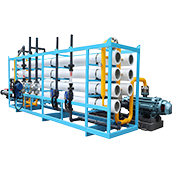
Modern NF membranes are engineered with precise technical parameters to meet diverse industrial demands. Typical operating pressures range from 5 to 15 bar, significantly lower than those required for reverse osmosis. The molecular weight cutoff usually falls between 200 and 1000 Daltons, allowing for the selective removal of hardness-causing ions while permitting some beneficial minerals to pass. Membrane configurations are primarily spiral-wound or hollow fiber, constructed from robust materials like thin-film composite polyamide. These specifications ensure durability, chemical resistance, and long-term performance stability.
Product Advantages
NF membrane technology offers several distinct advantages over conventional treatment methods. Its most notable benefit is energy efficiency; due to lower pressure requirements, operational costs are significantly reduced. Furthermore, NF membranes effectively remove hardness and organic contaminants while retaining essential minerals, providing superior water quality. The technology also features compact design, easy scalability, and minimal chemical usage, making it an environmentally friendly solution. With high flux rates and excellent fouling resistance, NF systems ensure consistent performance and reduced maintenance downtime.
Applications and Application Scenarios

The versatility of NF membrane technology is evident in its wide range of applications. In municipal water treatment, it is used for desalination and color removal. The food and beverage industry employs NF for concentration and purification processes. Pharmaceutical manufacturers rely on it for solvent recovery and product purification. Other critical applications include:Industrial wastewater recyclingTextile and dye separationAntibiotic concentrationPre-treatment for reverse osmosis systemsQuality StandardsTo ensure reliability and safety, NF membrane technology adheres to stringent international quality standards. Most commercial membranes comply with ISO 9001 for quality management and ISO 14001 for environmental safety. In drinking water applications, membranes must meet NSF/ANSI Standard 58 for material safety and structural integrity. These certifications guarantee that the membranes do not leach harmful substances and can withstand rigorous operating conditions, ensuring consumer safety and product longevity.
Future Prospects
The future of NF membrane technology looks promising, with ongoing research focusing on enhancing selectivity and fouling resistance. Innovations in nanocomposite materials and biomimetic membranes are expected to improve performance while reducing costs. The integration of smart monitoring systems and IoT technology will enable predictive maintenance and real-time performance optimization. As global water scarcity increases, NF technology is poised to become a cornerstone of sustainable water management strategies worldwide.
Conclusion
In conclusion, NF membrane technology represents a critical advancement in separation science. Its unique combination of selectivity, energy efficiency, and versatility makes it an ideal solution for diverse industrial and municipal applications. As technology continues to evolve, NF membranes will play an increasingly vital role in addressing global water challenges and promoting sustainable development.
Frequently Asked Questions (FAQ)
Q: How does NF differ from reverse osmosis?
A: While both are membrane technologies, NF operates at lower pressures and selectively removes multivalent ions while allowing some monovalent ions to pass.Q: What is the typical lifespan of an NF membrane?
A: With proper maintenance, NF membranes can last 3–5 years, depending on feed water quality and operating conditions.Q: Can NF membranes remove viruses?
A: Yes, due to their small pore size, NF membranes can effectively remove most viruses and bacteria from water streams.