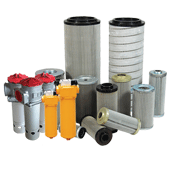
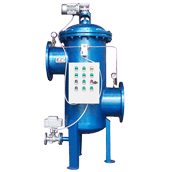
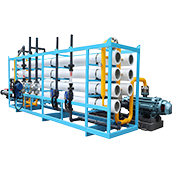
CSA Certified Coalescing Filter: North American Safety Compliance for Industrial Fluid Separation
Product Introduction
The CSA Certified Coalescing Filter is a precision-engineered filtration system designed to meet the stringent safety and performance standards of the CSA Group (Canadian Standards Association), a leading authority in North American regulatory compliance. Tailored for critical applications in natural gas processing, aviation fuel purification, and hydraulic/lubricant systems, this coalescer ensures reliable separation of water, oil droplets, and particulates while adhering to CSA codes such as CSA B51 (Boiler, Pressure Vessel, and Pressure Piping Code) and CSA Z299 (Quality Assurance Program).
Certified to CSA Category I/II for pressure equipment and explosion-proof environments, the filter is built for industries operating in Canada, the U.S., and Mexico—where compliance with local safety regulations is non-negotiable. By integrating CSA’s rigorous testing protocols with advanced coalescence technology, it guarantees operational safety, reduces liability risks, and simplifies regulatory audits for natural gas pipelines, aircraft refueling systems, and heavy machinery.
Key Features & Advantages
1. CSA Certification: Trusted North American Compliance
Regulatory Alignment: Meets CSA B51 for pressure vessel design, CSA Z299 for quality management, and CSA C22.2 No. 61010 (electrical safety) for explosion-proof variants.
Third-Party Validation: Tested and certified by CSA Group-accredited labs, with full documentation (material traceability, pressure test reports) for OSHA, Transport Canada, and EPA compliance.
2. Ultra-High Separation Efficiency
Beta Ratio (β) > 120,000: Removes 99.99% of droplets ≥0.1 μm, including submicron water in aviation fuel, hydrocarbon condensates in natural gas, and emulsified oil in hydraulic oil.
Multi-Stage Customization: Pre-coalescers (bulk separation) and fine coalescers (ultrafine polishing) align with CSA B51 flow dynamics standards for optimal performance.
3. Robust Construction for Harsh Environments
Material Durability: 316L stainless steel (CSA G40.21), carbon steel with CSA-approved epoxy coatings, or aluminum alloy (CSA S157) for corrosion resistance in wet or chemical-laden environments.
Pressure & Temperature Tolerance: Rated for 1–350 bar (14.5–5075 psi) and -50°C to +200°C (-58°F to +392°F), with cryogenic variants for LNG (CSA Z276) and high-temperature models for refinery off-gases.
4. Energy Efficiency & Cost Savings
Low Pressure Drop (<0.06 bar): Optimized flow paths (per CSA B51.3) reduce pumping energy costs by 25% compared to non-certified filters.
Extended Lifespan: 36–60 months in industrial settings (vs. 12–24 months for uncertified alternatives), with CSA G164 salt-spray testing (500 hours) for coastal/marine durability.
5. Streamlined Maintenance & Safety
CSA-Compliant Fasteners: ASME PCC-1-compatible clamps enable tool-free cartridge replacement, minimizing downtime in hazardous areas.
Leak-Proof Seals: EPDM or FFKM seals (CSA B16.21) prevent fugitive emissions, complying with EPA Methane Challenge Program requirements.
Working Principle
The CSA Certified Coalescing Filter combines CSA-mandated safety design with proven coalescence mechanics to ensure efficient, compliant separation:
1. Fluid Intake & Pre-Filtration
Contaminated fluid (gas/liquid) enters through a CSA B16.5 flanged inlet, where a cyclonic separator (CSA B51.3) removes large particulates (>10 μm) to protect downstream media.
2. Coalescence Stage (CSA-Optimized Flow Paths)
Capture: Submicron droplets (0.1–5 μm) collide with electrostatically charged media fibers (e.g., PTFE-coated glass fiber, CSA G30.18) via turbulent flow (CFD-simulated per CSA B51.3). Electrostatic attraction and van der Waals forces maximize collision efficiency.
Merging: Droplets merge into larger aggregates (50–1000 μm) as they navigate the media’s tortuous pathways, aided by hydrophobic/hydrophilic coatings (CSA Z299-certified).
3. Separation & Discharge (CSA Safety Mechanisms)
Gravity Separation: Enlarged droplets settle at the housing’s sloped base (CSA B51 drainage design) and drain via an automatic float valve (CSA B63.1).
Clean Fluid Exit: Purified fluid exits through a CSA B16.5 flanged outlet, with optional sensors to verify compliance with CSA B51.3 purity standards.
Application Scenarios
1. Natural Gas Processing (Dehydration & Contaminant Removal)
Challenge: Raw natural gas from Canadian shale fields contains water vapor, H₂S, and sand, risking pipeline corrosion (CSA Z662) and hydrate formation. Non-CSA filters may fail CSA B51 pressure tests.
Solution: 316L stainless steel housing (CSA G40.21) resists H₂S; removes 99.9% of water/condensates (β>120,000) with <0.06 bar pressure drop. Complies with CSA Z662 for pipeline safety.
2. Aviation Fuel Purification (Jet A-1/JP-8 for North American Airlines)
Challenge: Jet fuel must meet CSA B836 (<1 ppm free water, <0.3 μm particulates) to prevent icing in aircraft engines. Refueling stations require CSA C22.2 No. 153 (electrical safety).
Solution: Hydrophilic media (CSA Z299) and FFKM seals remove <0.05 ppm water. Tested to ASTM D1655 and CSA B836, ensuring compliance for airports like Toronto Pearson or Dallas/Fort Worth.
3. Hydraulic Systems (Mining & Forestry Machinery)
Challenge: Water ingress (from rain/snow) forms emulsions in hydraulic oil, causing pump wear (CSA B93.1M). Cold climates (-40°C) require CSA G164 cold-weather durability.
Solution: Breaks emulsions, reduces water to <10 ppm, and extends oil life by 60%. Aluminum alloy housing (CSA S157) resists impact in forestry equipment.
Technical Data
Parameter | Specification |
|---|
Model | CSA-CF350-HP (High-Pressure), CSA-CF350-HT (High-Temperature) |
Fluid Type | Natural gas, aviation fuel, hydraulic oil, sour gas condensates |
Operating Pressure | 1–350 bar (14.5–5075 psi) [CSA B51 Category I/II] |
Temperature Range | -50°C to +200°C (-58°F to +392°F); cryogenic variant: -162°C (LNG) |
Flow Rate | 100–100,000 Nm³/h (gas); 50–5000 GPM (liquid) |
Beta Ratio (β) | β≥120,000 @ 0.1 μm; β≥240,000 @ 0.5 μm |
Removal Efficiency | 99.99% for 0.1–5 μm droplets; 99.999% for >5 μm |
Pressure Drop | <0.06 bar @ rated flow (CSA B51.3 optimized) |
Material Compatibility | 316L SS (CSA G40.21), carbon steel (CSA G40.21 epoxy-coated), PTFE, FFKM seals |
Certifications | CSA B51, CSA Z299, CSA C22.2 No. 61010, API 618, ASTM D1655, EPA Methane Challenge |
Maintenance Guidelines
1. CSA-Mandated Routine Inspections
Pressure Testing: Annual hydrostatic testing (1.5x MAWP) per CSA B51 Appendix H; visual inspection for corrosion (CSA G164).
Differential Pressure (ΔP): Monitor weekly using CSA B51.3-calibrated gauges; replace media if ΔP exceeds 0.15 bar (initial ΔP: 0.03–0.08 bar).
2. Media Replacement (CSA-Approved Procedures)
3. Cleaning Protocols
Gas Service: Flush with dry nitrogen (CSA B51.3 purity) to remove condensates.
Liquid Service: Soak in CSA B72-compliant detergent (pH 8–9) for 30 minutes, rinse with deionized water.
4. Troubleshooting (CSA Best Practices)
Leaks: Retorque flange bolts to CSA B16.5 torque specs (e.g., 400 N·m for 316L steel); replace seals with CSA B16.21-certified EPDM.
Efficiency Drop: Check for media compaction (over-tightened housing, per CSA B51.3) or chemical incompatibility (CSA Z299).
8 Frequently Asked Questions (FAQs)
1. What does “CSA Certified” mean for a coalescing filter?
It means the filter meets CSA Group standards for safety, quality, and performance (e.g., CSA B51 for pressure equipment), ensuring compliance with Canadian, U.S., and Mexican regulations. Certification includes third-party testing and full documentation for audits.
2. How does CSA certification differ from ASME or PED?
CSA focuses on North American markets (Canada/U.S.), with alignment to OSHA and Transport Canada. ASME targets U.S. pressure vessels, while PED is EU-specific. CSA filters often integrate ASME/API standards for global compatibility.
3. Can it handle high-pressure natural gas in Canadian winters?
Yes. Rated for 350 bar and -50°C, with 316L stainless steel (CSA G40.21) resisting cold-weather brittleness. Tested to CSA Z662 for Arctic pipeline applications.
4. Is it suitable for aviation fuel at major North American airports?
Absolutely. Meets CSA B836 (<1 ppm water) and ASTM D1655, with FFKM seals preventing leaks in refueling systems (e.g., Vancouver International Airport).
5. What is the maximum flow rate?
Up to 100,000 Nm³/h for gas processing, with CSA B51.3-optimized flow paths to minimize pressure drop.
6. How often should maintenance be performed?
Inspect ΔP weekly, replace media every 24–36 months (or when ΔP >0.15 bar), and conduct annual CSA-mandated pressure testing.
7. Does it comply with EPA methane emission rules?
Yes. Leak-proof seals (CSA B16.21) and low pressure drop reduce fugitive emissions, aligning with EPA Methane Challenge Program requirements.
8. What is the ROI for industrial users?
Reduces downtime by 45%, extends equipment life by 55%, and avoids CSA non-compliance fines—payback in 12–18 months.
Conclusion
The CSA Certified Coalescing Filter is the trusted choice for North American industries prioritizing safety, compliance, and efficiency. By adhering to CSA Group standards, it ensures reliable separation of contaminants in natural gas, aviation fuel, and hydraulic systems—protecting assets, operators, and the environment.
Whether you operate in Canada’s oil sands, U.S. refineries, or Mexican manufacturing hubs, this filter delivers peace of mind with third-party validation and proven performance.
Ready to upgrade to a CSA-compliant solution? Contact our North American engineering team today for a custom design.