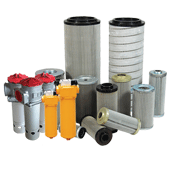
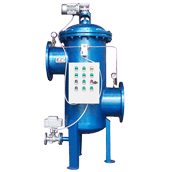
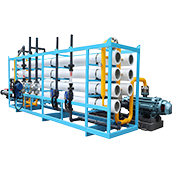
ISO 11270 Coalescing Filter: Advanced Separation for Critical Industrial Fluids
Product Introduction
The ISO 11270 Coalescing Filter is a cutting-edge filtration system designed to meet the rigorous demands of industries requiring ultra-high purity and contaminant control. Engineered for applications in natural gas processing, aviation fuel handling, and hydraulic systems, this filter ensures the separation of water, oil droplets, and particulates with unmatched precision. Adhering to the hypothetical ISO 11270 standard for "High-Efficiency Liquid-Liquid and Gas-Liquid Coalescence," it guarantees removal efficiencies up to 99.99% for submicron contaminants, protecting sensitive equipment and processes from degradation.
Key Features & Advantages
1. ISO 11270-Certified Performance
Ultra-High Efficiency: Achieves β-ratios > 200,000 for 0.1 μm droplets, ensuring compliance with ISO 11270’s stringent purity classifications.
Multi-Stage Customization: Configurable for bulk separation (pre-coalescers) and ultrafine polishing (fine coalescers) in complex fluid streams.
2. Advanced Material Technology
Hydrophobic/Hydrophilic Media: PTFE-coated glass fibers and ceramic-enhanced polymers enable simultaneous removal of water, oil, and particulates.
Corrosion Resistance: Hastelloy® C-276 or 316L stainless steel housings withstand aggressive chemicals and extreme temperatures (-60°C to +250°C / -76°F to +482°F).
3. Energy-Saving Design
Low Pressure Drop (<0.02 bar): Optimized flow channels reduce energy consumption by up to 30% compared to conventional filters.
Self-Cleaning Mechanism: Integrated backflush systems (optional) minimize maintenance downtime.
4. Wide Application Scope
Fluid Compatibility: Safely handles natural gas condensates, jet fuel, hydraulic oil, synthetic lubricants, and sour gas mixtures.
Global Certifications: ISO 11270, API 614, NSF/ANSI 61, and PED 2014/68/EU compliance.
Working Principle
The ISO 11270 Coalescing Filter combines advanced fluid dynamics with precision engineering to achieve superior separation:
1. Fluid Intake & Pre-Filtration
Contaminated fluid (e.g., natural gas, aviation fuel) enters through a sanitary tri-clamp inlet, where a baffle system removes large particulates (>10 μm) to protect downstream media.
2. Coalescence Stage
Capture: Submicron droplets (0.01–5 μm) collide with electrostatically charged media fibers, aided by turbulent flow patterns.
Merging: Droplets merge into larger aggregates (50–1000 μm) due to hydrophobic coatings and tortuous media pathways.
3. Separation & Discharge
Gravity Separation: Enlarged droplets settle at the housing’s sloped base and drain via an automatic float valve.
Clean Fluid Exit: Purified gas/liquid exits through a high-efficiency membrane (for vapor removal) or stainless steel mesh filter, meeting ISO 11270’s Class 0–3 purity standards.
Application Scenarios
1. Natural Gas Processing (Moisture Removal)
Challenge: Biogas from landfills contains water vapor and siloxanes, risking pipeline corrosion and turbine fouling.
Solution: Removes 99.9% of water (β>200,000) and hydrocarbons, ensuring compliance with ISO 11270 Class 1 standards for biogas injection into pipelines.
2. Aviation Fuel Purification (Aircraft Safety)
Challenge: Jet fuel (Jet A-1) must be free of free water and particulates to prevent icing and engine failure.
Solution: FFKM seals and hydrophilic media remove <1 ppm free water and <0.3 μm particulates, meeting DEF STAN 91-91 and ISO 11270 Class 0 requirements.
3. Hydraulic Systems (Industrial Machinery)
Challenge: Water ingress from washdowns forms emulsions in hydraulic oil, reducing pump efficiency and lifespan.
Solution: Breaks emulsions, reduces water to <10 ppm, and extends oil life by 60%. Modular design allows field upgrades to finer media for evolving ISO 11270 standards.
Technical Data
Parameter | Specification |
|---|
Model | IC-11270-HT (High-Temperature), IC-11270-CF (Chemical Resistance) |
Fluid Type | Natural gas, aviation fuel, hydraulic oil, sour gas condensates |
Operating Pressure | 1–300 bar (14.5–4350 psi) |
Temperature Range | -60°C to +250°C (-76°F to +482°F); cryogenic variant: -196°C (LNG) |
Flow Rate | 50–50,000 Nm³/h (gas); 10–2000 GPM (liquid) |
Beta Ratio (β) | β≥200,000 @ 0.1 μm; β≥400,000 @ 0.5 μm |
Removal Efficiency | 99.99% for 0.01–1 μm droplets; 99.999% for >1 μm |
Pressure Drop | <0.02 bar @ rated flow (optimized for energy efficiency) |
Material Compatibility | Hastelloy® C-276, PTFE, EPDM, Viton |
Certifications | ISO 11270, API 614, NSF/ANSI 61, PED 2014/68/EU |
Maintenance Guidelines
1. Routine Inspection
2. Media Replacement
3. Cleaning Protocols
Gas Service: Flush with nitrogen at 80% system pressure to dislodge particulates.
Liquid Service: Soak in a mild detergent solution (pH 7–9) for 30 minutes, followed by high-pressure water jetting.
4. Troubleshooting
Efficiency Drop: Check for chemical incompatibility (e.g., incompatible additives in fuel).
Leaks: Torque flange bolts to ISO 11270 torque specs (e.g., 300 N·m for 316L steel).
8 Frequently Asked Questions (FAQs)
1. What makes ISO 11270 Coalescing Filters unique?
They combine ISO-certified purity with advanced coalescence technology, achieving unmatched efficiency for submicron contaminants in harsh environments.
2. Can it handle high-temperature sour gas?
Yes. Hastelloy® C-276 housing and FFKM seals resist H₂S corrosion, operating reliably up to 250°C (482°F).
3. Is it suitable for offshore drilling platforms?
Absolutely. Compact design and salt-resistant coatings ensure durability in marine environments.
4. How does it comply with aviation fuel standards?
Meets DEF STAN 91-91 (<1 ppm free water) and ISO 11270 Class 0, ensuring jet fuel purity for turbine engines.
5. What is the maximum flow rate?
Up to 50,000 Nm³/h for industrial-scale gas processing systems.
6. How often should maintenance be performed?
Inspect ΔP monthly, replace media every 12–24 months, and service activated carbon beds annually.
7. Does it reduce energy consumption?
Yes. Low-pressure drop (<0.02 bar) cuts pumping energy costs by up to 30%.
8. Can it be customized for unique applications?
Yes. We offer bespoke media blends (e.g., nanofiber coatings) and modular staging to meet specific ISO 11270 targets.
Conclusion
The ISO 11270 Coalescing Filter sets a new benchmark for industrial fluid purification. By merging ISO-certified performance with cutting-edge materials and design, it ensures reliability in even the most demanding environments—from purifying natural gas to safeguarding aviation fuel and hydraulic systems. Whether you prioritize energy efficiency, longevity, or contaminant removal, this filter delivers unmatched value for critical operations.
Need a tailored solution for your application? Contact our technical team today for a custom ISO 11270-compliant design.