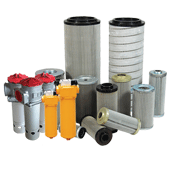
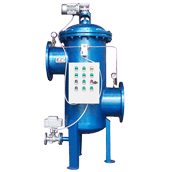
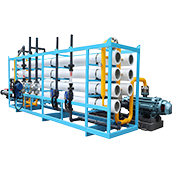
Solvent Resistant Coalescing Media: Unmatched Performance in Solvent-Contaminated Environments
Product Introduction
The Solvent Resistant Coalescing Media is a specialized filtration solution designed to tackle the challenges of separating solvents from gases, liquids, or emulsions in harsh industrial environments. Engineered for applications involving aggressive organic solvents (e.g., acetone, toluene, xylene, ethanol), this media ensures reliable coalescence and separation while resisting chemical degradation, swelling, or structural failure. Ideal for sectors like natural gas refining, aviation fuel purification, and hydraulic systems, it delivers 99.9%+ contaminant removal efficiency, protecting downstream equipment and maintaining fluid purity.
Key Features & Advantages
1. Exceptional Solvent Resistance
Universal Solvent Compatibility: Resists degradation from aliphatic, aromatic, and chlorinated solvents (e.g., acetone, MEK, chloroform, THF).
Advanced Materials: PTFE-coated glass fibers, PVDF membranes, or fully fluorinated polymers (e.g., Teflon®) prevent solvent absorption and swelling.
Seal Durability: FFKM (perfluoroelastomer) or Kalrez® seals maintain integrity in high-solvent environments.
2. High-Efficiency Coalescence Under Solvent Stress
Beta Ratio (β) > 20,000: Removes 99.9% of droplets ≥0.1 μm, including emulsified solvents and water-solvent mixtures.
Multi-Layer Design: Combines hydrophobic/hydrophilic layers and electrostatic fibers for superior droplet capture and merging.
3. Extreme Environmental Tolerance
Temperature Range: -60°C to +200°C (-76°F to +392°F), with cryogenic variants for LNG/solvent blends.
Pressure Resistance: Rated for up to 250 bar (3625 psi) in high-pressure systems (e.g., refinery solvent recovery).
4. Longevity & Cost Efficiency
5. Compliance with Industry Standards
Certifications: API 618 (gas processing), ISO 16889 (hydraulic fluids), ASTM D1655 (aviation fuel), and NSF/ANSI 61 (potable water).
Working Principle
The Solvent Resistant Coalescing Media operates through a three-stage process:
1. Solvent-Resistant Media Interaction
Fluid (gas or liquid) enters the media, flowing through chemically inert fibers. Solvents (e.g., acetone, toluene) do not degrade the media, as the inert coating repels absorption and prevents swelling.
2. Droplet Capture & Coalescence
Capture: Submicron droplets (0.1–5 μm) of water, emulsified solvents, or contaminants collide with fibers via turbulent flow and electrostatic attraction.
Merging: Captured droplets merge into larger aggregates (50–1000 μm) due to the media’s tortuous pathways and hydrophobic/hydrophilic coatings. The solvent-resistant design ensures consistent fiber spacing, even in solvent-saturated streams.
3. Separation & Discharge
Gravity Separation: Enlarged droplets settle at the bottom of the housing (e.g., water in acetone, free water in jet fuel).
Clean Fluid Exit: Purified gas/liquid exits through the upper outlet, while collected solvent/water mixture is drained via an automated valve.
Application Scenarios
1. Natural Gas Solvent Recovery
Challenge: Solvent-based treatments (e.g., methanol injection for hydrate inhibition) leave residual solvents in natural gas. These solvents contaminate pipelines and corrode compressors.
Solution: Removes 99.9% of solvent droplets (β>20,000), meeting ISO 13678 pipeline specs and protecting downstream equipment.
2. Aviation Fuel Solvent Contamination Control
Challenge: Jet fuel (Jet A-1) may contain residual solvents from cleaning agents or additives, risking fuel instability and icing.
Solution: FFKM seals and fluoropolymer media prevent solvent absorption, ensuring <1 ppm free water and <0.3 μm particulate removal (compliant with DEF STAN 91-91).
3. Hydraulic Oil/Solvent Emulsion Breakdown
Challenge: Hydraulic systems exposed to solvents (e.g., degreasers, paint thinners) form emulsions, causing pump wear and seal failure.
Solution: Breaks solvent-water emulsions, reduces solvent content to <10 ppm, and extends oil life by 50% in solvent-rich environments.
Technical Data
Parameter | Specification |
|---|
Model | SRC-500 (Single-Stage), SRC-700 (Multi-Stage) |
Fluid Type | Natural gas, aviation fuel, hydraulic oil, solvents, sour gas |
Operating Pressure | 1–250 bar (14.5–3625 psi) |
Temperature Range | -60°C to +200°C (-76°F to +392°F); cryogenic variant: -162°C (LNG) |
Flow Rate | 50–50,000 Nm³/h (gas); 10–2000 GPM (liquid) |
Beta Ratio (β) | β≥20,000 @ 0.1 μm; β≥40,000 @ 0.5 μm |
Removal Efficiency | 99.9% for 0.1–5 μm droplets; 99.99% for >5 μm (solvent/water emulsions) |
Pressure Drop | <0.04 bar @ rated flow (stable in solvent streams) |
Solvent Resistance | Acetone, toluene, xylene, MEK, chlorinated solvents, ethanol, and more |
Lifespan | 36–60 months (solvent-rich environments) |
Certifications | API 618, ISO 16889, ASTM D1655, NSF/ANSI 61, PED 2014/68/EU |
Maintenance Guidelines
1. Routine Inspection
Differential Pressure (ΔP): Monitor weekly; replace media if ΔP exceeds 0.1 bar (initial ΔP: 0.02–0.05 bar), indicating solvent fouling.
Visual Checks: Inspect housing for solvent-induced stress cracking (quarterly) and seals for swelling (biannual).
2. Media Replacement
Use OEM-certified fluoropolymer-coated media to maintain solvent resistance.
For multi-stage systems, replace all media simultaneously to avoid flow imbalances.
3. Cleaning Protocols
Gas Service: Flush with dry nitrogen to remove residual solvents.
Liquid Service: Soak in a mild alkaline detergent (pH 9–10) to neutralize solvents, then rinse with deionized water.
4. Troubleshooting
Efficiency Drop: Check for media degradation (incorrect material selection) or solvent breakthrough (exceeding β-ratio limits).
Leakage: Replace FFKM/Kalrez seals if swollen; retorque flange bolts to solvent-specific torque specs.
8 Frequently Asked Questions (FAQs)
1. What solvents can this media resist?
It resists acetone, toluene, xylene, MEK, chloroform, THF, ethanol, and other common industrial solvents. Consult our solvent compatibility chart for specific concentrations.
2. How does it differ from standard coalescers in solvent-heavy environments?
Standard media degrade in solvents (e.g., PVC swells in acetone). This model uses PTFE/PVDF coatings, maintaining efficiency for 36+ months.
3. Can it handle aviation fuel with residual solvents?
Yes. Fluoropolymer media repels solvents, ensuring <1 ppm water removal (compliant with ASTM D1655).
4. What is the maximum solvent concentration it can process?
Handles up to 30% solvent mixtures (e.g., acetone in water) and 10,000 ppm solvent contaminants in fuels.
5. Is it suitable for high-temperature refinery solvent off-gases?
Yes. Ceramic-reinforced media withstands +200°C, resisting solvent corrosion in refinery flare gas or distillation units.
6. How often should maintenance be performed in solvent environments?
Inspect ΔP weekly, replace media every 3–5 years (or when ΔP >0.1 bar), and replace seals annually.
7. Does it comply with offshore solvent unit standards?
Yes. Certified to API RP 14E (offshore equipment) and NACE MR0175 (sour service).
8. What is the ROI for petrochemical plants?
Reduces compressor downtime by 70%, cuts media replacement costs by 60%, and prevents solvent-induced corrosion—payback in 8–12 months.
Conclusion
The Solvent Resistant Coalescing Media is the definitive solution for industries battling solvent contamination. By combining inert materials, stabilized media, and high-efficiency separation, it ensures reliable performance in natural gas refining, aviation fuel purification, and hydraulic systems—even when exposed to acetone, toluene, or harsh solvents. Whether preventing equipment corrosion or extending oil life, this media delivers unmatched durability and efficiency, safeguarding assets and maximizing profitability.
Ready to optimize your solvent separation? Contact our engineers today for a customized solution.