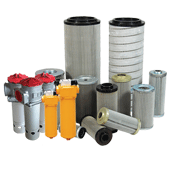
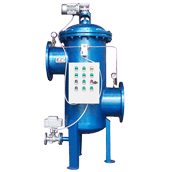
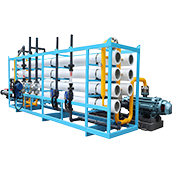
High Beta Ratio Coalescing Filter: Precision Filtration for Demanding Industrial Applications
Product Introduction
The High Beta Ratio Coalescing Filter is a state-of-the-art solution designed to achieve ultra-high efficiency in gas-liquid separation and liquid-liquid coalescence. Engineered for industries where contamination control is critical—such as natural gas processing, aviation fuel purification, and hydraulic/lubrication systems—this filter leverages a Beta Ratio > 10,000 to remove submicron liquid droplets (0.1–3 μm) and emulsions with unmatched precision. Its robust design ensures reliable performance in harsh environments, including high pressures, extreme temperatures, and corrosive fluids.
By combining advanced coalescing media with optimized flow dynamics, this filter delivers superior contaminant removal, protecting downstream equipment, improving product quality, and reducing operational costs.
Key Features & Advantages
1. Ultra-High Filtration Efficiency
Beta Ratio (β) > 10,000: Removes 99.99% of liquid droplets ≥0.1 μm, ensuring near-total elimination of contaminants that cause corrosion, erosion, or system failure.
Multi-Stage Coalescence: Patented layered media design merges tiny droplets into larger particles (50–500 μm) for gravity-based separation.
2. Extreme Durability
Materials: 316L stainless steel, Hastelloy®, or PTFE-coated components for resistance to acids (H₂S, CO₂), abrasives, and extreme temperatures (-60°C to +200°C).
Pressure Tolerance: Rated for pressures up to 100 bar (1450 psi), with burst-resistant construction for safety-critical applications.
3. Low Pressure Drop & Energy Efficiency
4. Wide Application Flexibility
Fluid Compatibility: Safely handles natural gas, aviation fuel, hydraulic oil, lubricants, sour gas, and emulsions.
Customizable Configurations: Single/multi-stage setups, specialized media coatings, and modular designs for tailored performance.
5. Longevity & Cost Savings
Working Principle
The High Beta Ratio Coalescing Filter operates through a three-step process:
1. Droplet Capture
Fluid (gas or liquid) enters the filter housing and flows through a bed of microfiber media. Tiny droplets (0.1–3 μm) collide with fibers and coalesce into larger droplets due to the media’s electrostatic charge and tortuous pathways.
2. Separation
Gravity Separation: Enlarged droplets (>50 μm) settle at the bottom of the housing under gravity.
Centrifugal Separation: Optional cyclonic chambers accelerate droplet separation in high-flow applications.
3. Clean Fluid Discharge
Purified gas/liquid exits through the upper outlet, while collected liquid is drained via an automated valve or manual port.
Application Scenarios
1. Natural Gas Processing
Challenge: Remove water, hydrocarbon condensates, and corrosive acids (H₂S/CO₂) from raw natural gas to meet pipeline specifications (ISO 13678).
Solution: Ensures <0.1 ppm water and <1 ppm acid gas content, extending pipeline lifespan and preventing compressor corrosion.
2. Aviation Fuel Purification
Challenge: Meet stringent jet fuel standards (ASTM D1655) by eliminating free water, surfactants, and particulates that cause icing or engine damage.
Solution: Delivers <1 ppm free water and <0.3 μm particulate removal, compliant with DEF STAN 91-91 and IATA requirements.
3. Hydraulic/Lubrication Systems
Challenge: Prevent water ingress and emulsion formation in hydraulic oil, which leads to wear, corrosion, and pump failure.
Solution: Breaks emulsions, removes water to <30 ppm, and extends oil change intervals by 50% or more.
Technical Data
Parameter | Specification |
|---|
Model | HBC-200 (Single-Stage), HBC-400 (Multi-Stage) |
Fluid Type | Natural gas, aviation fuel, hydraulic oil, sour gas |
Operating Pressure | 1–100 bar (14.5–1450 psi) |
Temperature Range | -60°C to +200°C (-76°F to +392°F) |
Flow Rate | 50–50,000 Nm³/h (gas); 10–2000 GPM (liquid) |
Beta Ratio (β) | β≥10,000 @ 0.1 μm; β≥20,000 @ 0.5 μm |
Removal Efficiency | 99.99% for 0.1–3 μm droplets; 99.999% for >3 μm |
Pressure Drop | <0.03 bar @ rated flow |
Lifespan | 24–36 months (depending on contamination levels) |
Certifications | API 618, ISO 16889, ASTM D1655, ASME BPVC |
Maintenance Guidelines
1. Routine Monitoring
2. Cartridge Replacement
3. Cleaning Procedures
Gas Service: Flush with dry nitrogen or compressed air to remove residual moisture.
Liquid Service: Soak in a mild detergent solution (e.g., isopropyl alcohol for aviation fuel), then rinse with deionized water.
4. Troubleshooting
Low Efficiency: Check for media fouling, incorrect installation, or exceeded β-ratio limits.
High ΔP: Clean or replace clogged pre-filters, or inspect for upstream equipment failure.
8 Frequently Asked Questions (FAQs)
1. What is the difference between a coalescing filter and a standard separator?
Coalescing filters use media to merge small droplets into larger ones for gravity separation, achieving β-ratios >10,000. Separators rely solely on gravity/centrifugal force, with β-ratios typically <100.
2. Can this filter handle high-temperature sour gas?
Yes. Hastelloy®-reinforced models resist H₂S, CO₂, and temperatures up to 200°C, ensuring reliable performance in sour gas environments.
3. How often should the filter media be replaced?
Replace every 24–36 months in most applications. For high-contamination scenarios (e.g., emulsified fluids), monitor ΔP and replace when it exceeds 0.1 bar.
4. Is it compatible with aviation fuel additives?
Yes. The media’s hydrophobic coating repels water while allowing additives (e.g., biocides, corrosion inhibitors) to pass through unimpeded.
5. What is the maximum flow rate for hydraulic oil systems?
Up to 2000 GPM for multi-stage configurations, with pressure drops <0.05 bar.
6. Does it meet aerospace industry standards?
Yes. Certified to DEF STAN 91-91 and IATA requirements for jet fuel purity.
7. Can it be used for cryogenic LNG applications?
Specialized cryogenic models operate down to -162°C, ensuring efficient separation of water and hydrocarbons in liquefied natural gas systems.
8. What is the ROI of upgrading to a High Beta Ratio Filter?
Customers typically achieve payback in 6–12 months through reduced maintenance, extended equipment life, and improved process efficiency.
Conclusion
The High Beta Ratio Coalescing Filter is a game-changer for industries demanding precision and reliability. Whether purifying natural gas, protecting jet engines, or optimizing hydraulic systems, its unmatched efficiency, durability, and versatility deliver tangible results. By investing in this technology, operators ensure cleaner fluids, safer operations, and higher profitability.
Need a custom solution? Contact our experts today to design a filter tailored to your exact needs.