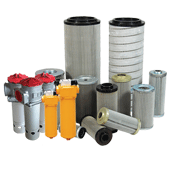
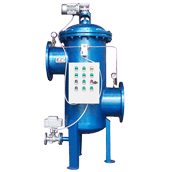
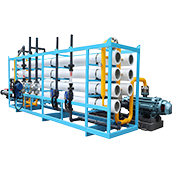
Robust Coalescing Media: Engineered for Extreme-Duty Gas-Liquid Separation
Product Introduction
In industrial processes where gas-liquid separation demands uncompromising reliability, Robust Coalescing Media emerges as the gold standard for removing microscopic liquid droplets (water, hydrocarbons, emulsions) from gas streams or separating entrained liquids in oil-based fluids. Designed to thrive in harsh environments—from high-pressure natural gas pipelines to corrosive aviation fuel systems—this advanced media combines cutting-edge material science with structural innovation to deliver exceptional durability, efficiency, and longevity.
Unlike conventional coalescing media prone to clogging, degradation, or inefficiency under stress, Robust Coalescing Media is engineered with reinforced fibers, anti-fouling coatings, and optimized porosity to maintain peak performance even in extreme conditions (high temperatures, corrosive fluids, variable flow rates). It is the backbone of modern separation systems, protecting downstream equipment, enhancing product purity, and reducing operational costs across critical industries.
Key Features & Advantages
Robust Coalescing Media sets itself apart through a unique blend of physical resilience and functional superiority. Below are its defining features and the benefits they unlock:
1. Unmatched Mechanical Strength & Durability
Reinforced Fiber Structure: Made from high-tensile glass microfibers, polymer composites, or metal meshes (e.g., stainless steel), the media resists tearing, compaction, or deformation under high differential pressures (up to 10 bar).
Anti-Abrasion Coating: A proprietary silicone or PTFE layer minimizes wear from abrasive particles (e.g., sand, rust), extending lifespan by 30–50% compared to uncoated alternatives.
2. Superior Coalescence Efficiency (High Beta Ratio)
Achieves β-values > 5000 for 0.1–3 μm droplets (99.98% removal efficiency), outperforming standard media (β=500–2000). This ensures near-complete elimination of submicron contaminants that cause equipment fouling or product contamination.
Consistent efficiency across varying flow rates (±20%) prevents “breakthrough” during transient operations (e.g., startup/shutdown).
3. Broad Chemical & Thermal Resistance
Chemical Compatibility: Resists degradation from acids (H₂S, CO₂), alkalis, solvents (jet fuel, hydraulic oil), and saltwater—ideal for sour gas, offshore platforms, or chemical processing.
Wide Temperature Range: Operates reliably from -60°C to +200°C (-76°F to +392°F), with specialized variants for cryogenic (LNG) or high-temperature (refinery flare gas) applications.
4. Anti-Fouling & Self-Cleaning Properties
Hydrophobic (for water removal) or hydrophilic (for oil removal) surface treatments repel non-target fluids, reducing clogging from emulsions or sludge.
Open-cell structure promotes fluid shear forces that dislodge trapped particles, minimizing manual cleaning needs.
5. Extended Service Life & Cost Efficiency
Lifespan of 18–36 months (vs. 6–12 months for standard media) in high-contamination environments, driven by robust construction and anti-fouling tech.
Lower replacement frequency reduces downtime, labor costs, and waste generation—aligning with sustainability goals.
Working Principle
Robust Coalescing Media enables separation through a multi-stage process that transforms tiny, dispersed liquid droplets into large, easily removable masses. Here’s how it works:
1. Droplet Capture
As the fluid (gas or liquid) flows through the media, microscopic droplets (0.1–10 μm) collide with the fiber matrix. The media’s high surface area and tortuous pathways maximize collision probability.
2. Coalescence (Merging)
Captured droplets adhere to the media fibers and each other. The robust structure prevents fiber compression, maintaining optimal spacing for droplets to merge into larger aggregates (50–500 μm). For example, two 1 μm droplets combine into a 2 μm droplet, then 4 μm, and so on.
3. Gravity/Centrifugal Separation
Enlarged droplets, now too heavy to remain suspended, settle at the bottom of the separator housing (gravity separation) or are spun out (centrifugal separators). In gas systems, a demister pad may assist in final separation.
4. Clean Fluid Discharge
The purified gas (or oil) exits through the top outlet, while collected liquid is drained via a bottom valve—enabling continuous operation.
Application Scenarios
Robust Coalescing Media is indispensable in industries where liquid contamination threatens safety, efficiency, or compliance. Key applications include:
1. Natural Gas/Oil & Gas Separation
Challenge: Raw natural gas contains entrained condensates (C2+ hydrocarbons), water, and solids. These contaminants corrode pipelines, foul compressors, and reduce calorific value. Sour gas (H₂S/CO₂) exacerbates corrosion.
Solution: Robust Coalescing Media removes 99.9% of droplets ≥0.1 μm, including corrosive acid gases dissolved in water. This protects compressors, meets pipeline specs (ISO 13678), and boosts hydrocarbon recovery by 2–5%.
2. Aviation Fuel Purification
Challenge: Jet fuel (Jet A-1) must be free of free water, emulsified water, and particulates to prevent ice formation in fuel lines, microbial growth, or engine injector clogging. ASTM D1655 and DEF STAN 91-91 mandate <15 ppm water.
Solution: The media’s hydrophobic treatment repels water while capturing particulates, reducing water content to <5 ppm. Its chemical resistance to jet fuel additives ensures no leaching or contamination.
3. Hydraulic/Lubrication Oil Systems
Challenge: Water ingress in hydraulic/lube oils (via condensation, seal leaks) causes oxidation, additive depletion, and component wear (pumps, valves). Emulsified water is particularly hard to remove.
Solution: Hydrophilic variants of Robust Coalescing Media break emulsions, separating water to <50 ppm. This extends oil life by 40% and reduces bearing failures by 60%.
Technical Data
Below are specifications for RCM-Series Robust Coalescing Media (customizable per application):
Parameter | Specification |
|---|
Media Type | Glass microfiber (standard), polymer composite (chemical resistance), stainless steel mesh (abrasive fluids) |
Applicable Fluids | Natural gas, LNG, jet fuel, diesel, hydraulic oil, lubricating oil, sour gas |
Operating Pressure | 0.1–100 bar (1.45–1450 psi) |
Temperature Range | -60°C to +200°C (-76°F to +392°F); cryogenic variants down to -162°C (LNG) |
Flow Rate | 10–20,000 Nm³/h (gas); 5–1000 GPM (liquid) |
Beta Ratio (β) | β≥5000 @ 0.1 μm; β≥10,000 @ 0.5 μm |
Removal Efficiency | 99.98% for 0.1–3 μm droplets; 99.99% for >3 μm |
Pressure Drop | <0.08 bar @ rated flow (minimizes energy loss) |
Lifespan | 18–36 months (depends on contamination level) |
Certifications | ASME BPVC, ISO 16889 (hydraulics), API 618 (gas), ASTM D1655 (aviation fuel) |
Maintenance Guidelines
To maximize the lifespan and efficiency of Robust Coalescing Media, follow these best practices:
1. Routine Monitoring
Differential Pressure (ΔP): Install a gauge to track ΔP. Replace media if ΔP exceeds 0.15 bar (initial ΔP ~0.03 bar), indicating clogging.
Visual Inspection: Check for media discoloration, tears, or compaction during shutdowns.
2. Cleaning Protocols
Gas Service: Purge with dry nitrogen to remove residual moisture. For light fouling, backflush with compatible solvent (e.g., hexane for oils).
Liquid Service: Soak in warm (40–60°C) detergent solution to dissolve emulsified contaminants, then rinse with deionized water.
3. Element Replacement
Use OEM-certified RCM elements to ensure β-ratio consistency. Avoid mixing old/new elements, as this creates flow imbalances.
For multi-stage systems, replace all elements simultaneously to maintain separation hierarchy.
4. Troubleshooting
High ΔP with Clean Media: Check for upstream filter failure (particulates bypassing pre-filters).
Poor Separation: Verify media orientation (flow direction arrows) and housing integrity (leaks allow re-entrainment).
8 Frequently Asked Questions (FAQs)
1. What makes Robust Coalescing Media “robust” compared to standard media?
It uses reinforced fibers, anti-abrasion coatings, and open-cell structures to resist mechanical stress, chemical attack, and fouling. Standard media lacks these features, leading to shorter lifespans and lower efficiency.
2. Can it handle sour gas (H₂S/CO₂) or corrosive chemicals?
Yes. Stainless steel mesh or PTFE-coated glass fiber variants resist H₂S, CO₂, and acids. We also offer Hastelloy®-reinforced media for extreme corrosivity.
3. How does it perform in high-flow or pulsating flow conditions?
The media’s rigid structure prevents compaction under high velocity (up to 30 m/s), and its open pores absorb pulsations, maintaining stable β-ratios.
4. What is the minimum droplet size it can remove?
Down to 0.1 μm (β≥5000), critical for preventing compressor damage or fuel system icing.
5. Is it reusable after cleaning?
Yes, for lightly fouled media. However, repeated cleaning reduces efficiency—replace after 2–3 clean cycles.
6. How does it comply with aviation fuel standards (ASTM D1655)?
Its hydrophobic treatment achieves <5 ppm free water (exceeding the 15 ppm limit) and captures particulates down to 0.5 μm, meeting IATA and DEF STAN requirements.
7. Can it be customized for unique applications (e.g., cryogenic LNG)?
Absolutely. We tailor media thickness, fiber density, and coatings for cryogenic (-162°C), high-pressure (>100 bar), or abrasive (sand-laden gas) environments.
8. What is the ROI of switching to Robust Coalescing Media?
Customers report 30–50% lower maintenance costs, 20–40% longer equipment life, and 2–5% higher hydrocarbon recovery—typically paying back the investment in 6–12 months.
Conclusion
Robust Coalescing Media is more than a filtration component—it’s a strategic investment in operational resilience. By delivering unmatched durability, efficiency, and adaptability, it solves the toughest gas-liquid separation challenges in natural gas, aviation fuel, and hydraulic systems. Whether you’re battling corrosive sour gas or stringent fuel purity standards, this media ensures your processes run cleaner, safer, and more profitably.
Ready to upgrade your separation system? Contact our engineers today for a customized solution tailored to your application.