Oil-Water Coalescing Separator: Advanced Technology for Clean Water & Regulatory Compliance
An Oil-Water Coalescing Separator is a high-efficiency, compact filtration system specifically engineered to remove dispersed, non-emulsified oils and hydrocarbons from industrial wastewater streams. Unlike simple settling tanks, this technology actively forces tiny oil droplets to merge (coalesce) into larger ones for rapid, gravity-driven separation, producing effluent water that meets stringent environmental discharge limits. At Lefilter, we design and supply robust Oil-Water Coalescing Separator Systems and replacement elements that deliver reliable, low-maintenance performance for critical environmental and process applications.
Core Technology: How an Oil-Water Coalescing Separator Achieves Superior Separation
Traditional gravity separators struggle with oil droplets smaller than 150 microns. Our coalescing separators overcome this limitation through a targeted, two-stage process within a single vessel:
Coalescence Stage (The Key to Efficiency): Oily water enters the separator and is directed through a pack of specialized coalescing media elements or plates. These surfaces are chemically treated to be oleophilic(oil-attracting). As the water flows through, microscopic oil droplets (as small as 10-20 microns) collide with the media, adhere, and coalesce with other droplets. This process transforms difficult-to-remove fine droplets into large, rapidly rising globules.
Gravity Separation & Collection Stage: The now-enlarged oil droplets easily separate from the water phase due to the significant difference in density. They float rapidly to the surface of the quiet separation chamber, forming a distinct oil layer. The cleaned water, now virtually free of free oil, continues its flow path and exits the vessel. The separated oil is automatically or manually skimmed from the surface for recovery or disposal.
This focused approach on promoting droplet growth makes coalescing separators far more efficient and compact than passive alternatives.
Why Choose Our Oil-Water Coalescing Separator?
Our systems are engineered for maximum uptime, compliance assurance, and total cost-effectiveness in challenging industrial environments.
Guaranteed Effluent Quality: Consistently achieves effluent with < 10-15 ppm of free oil (often lower), ensuring compliance with NPDES, EPA, and local wastewater discharge regulations.
Handles High Flow in a Small Footprint: Advanced coalescing media provides a large surface area in a compact design, offering superior treatment capacity in up to 70% less space than conventional API separators.
Effective on Fine Oil Droplets: Specifically designed to remove the small, dispersed oil droplets that bypass traditional separators, solving the most common compliance challenge.
Low Operating Cost & Maintenance: No moving parts in the separation zone, no need for chemicals or power-intensive processes. Maintenance primarily involves periodic inspection and replacement of coalescing media.
Rugged, Reliable Construction: Built from corrosion-resistant materials (coated carbon steel, stainless steel, or FRP) for long service life in harsh conditions.
Technical Specifications & System Design Parameters
Designing an effective system requires matching technology to your specific wastewater profile. Below are key parameters we engineer for:
Parameter | Specification / Design Consideration |
|---|
Primary Function | Removal of Free & Dispersed (Non-Emulsified) Oils from Water |
Typical Inlet Oil Concentration | Up to 1,000 - 10,000 ppm (0.1% - 1%) |
Target Effluent Oil Concentration | < 10 ppm is standard; < 5 ppm achievable with optimized design. |
Droplet Size Removal | Effective on oil droplets down to 10 - 20 microns. |
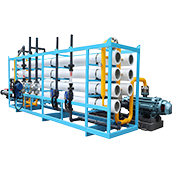
System Flow Capacity | From 5 GPM to over 2,000 GPM. Custom skid-mounted units available. |
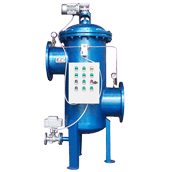
Vessel Orientation & Design | Vertical or horizontal vessels. Often includes inlet diffuser, coalescer pack, and oil/water collection zones. |
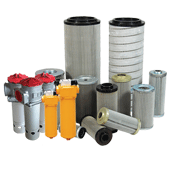
Coalescing Media Type | Polypropylene Coalescer Packs (most common), Corrugated Plate Packs, or Cartridge Elements for higher purity. |
Construction Materials | Carbon Steel (epoxy/polyurethane coated), 304/316L Stainless Steel, or Fiberglass Reinforced Plastic (FRP). |
Ancillary Components | Oil Skimmer (belt, tube, or disc), Level Controls, Monitoring Instruments. |
Primary Industrial Applications
Oil-Water Coalescing Separators are essential in any industry where oily wastewater is generated:
Metalworking & Machining: Treating coolant and wash water from parts cleaning, grinding, and machining operations to remove tramp oils.
Industrial Vehicle Wash & Maintenance: Processing wastewater from truck, aircraft, or equipment wash bays containing diesel, grease, and lubricants.
Power Generation: Managing oily wastewater from turbine hall drains, transformer areas, and fuel oil handling facilities.
Chemical & Petrochemical Plants: Treating stormwater runoff, process area drains, and tank farm dike water containing hydrocarbons.
Marine & Port Facilities: Bilge water treatment to meet IMO MEPC 107(49) standards before discharge.
Produced Water Pretreatment (Oil & Gas): Initial polishing of produced water to reduce oil content before further treatment or reinjection.
Frequently Asked Questions (FAQ)
Q: Can a coalescing separator handle emulsified oils?
A: Standard coalescers are designed for free or dispersed oils. Chemically stabilized emulsions (e.g., from detergents, cleaners) typically require pre-treatment (e.g., pH adjustment, de-emulsifier chemicals, or dissolved air flotation) to break the emulsion before the oil can be effectively coalesced and separated.
Q: What is the difference between a coalescing plate pack and a coalescing cartridge?
A: Plate Packs are large, permanent media blocks installed inside the vessel, ideal for high-flow, high-solids applications; they are cleaned in place. Cartridge Elements are replaceable cylinders offering higher surface area and efficiency for finer polishing; they are replaced when fouled. We provide both solutions.
Q: Do I need a pre-filter before the coalescing separator?
A: Highly recommended. Installing a bag filter or strainer (e.g., 50-100 micron) upstream removes large solids, debris, and gross oils, protecting the coalescing media from blinding and significantly extending its service life.
Q: How do I maintain the system?
A: Maintenance is straightforward: 1) Regularly service pre-filters, 2) Inspect and clean/skim the oil collection chamber, 3) Monitor effluent quality, and 4) Replace or clean the coalescing media as needed (cartridges every 6-24 months; plate packs cleaned annually or as needed).
Q: Can you provide replacement coalescing media for my existing separator vessel?
A: Yes, we are a leading supplier. We manufacture high-performance, cost-effective replacement coalescer packs and cartridges compatible with all major OEM vessels (Monroe, Parker, Hyco, etc.). Send us your model number or media dimensions for a perfect fit.